The latest crypto narrative asks a different question from earlier NFT, metaverse and SocialFi cycles: does a project’s business activity create value for its token? In an article published on November 13, 2026, WallStreetBets argued that protocol revenue and token buybacks were becoming central to how investors answered it. That is an investment thesis, not a guarantee that a profitable business will produce a successful token.
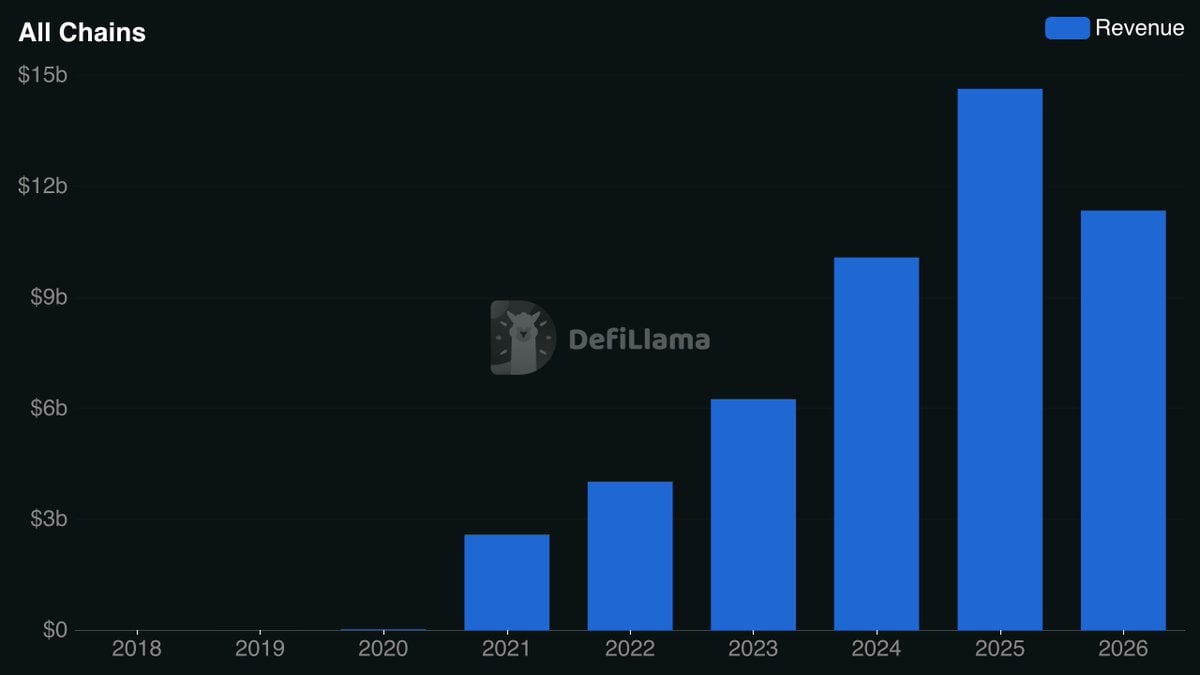
The article put year-to-date on-chain protocol revenue at $11.68 billion. It projected roughly $13.9 billion for all of 2026 if November and December stayed near October’s level. Those are protocol-revenue figures, distinct from the broader industry revenue estimates cited elsewhere in the article.
A buyback is a link, not ownership
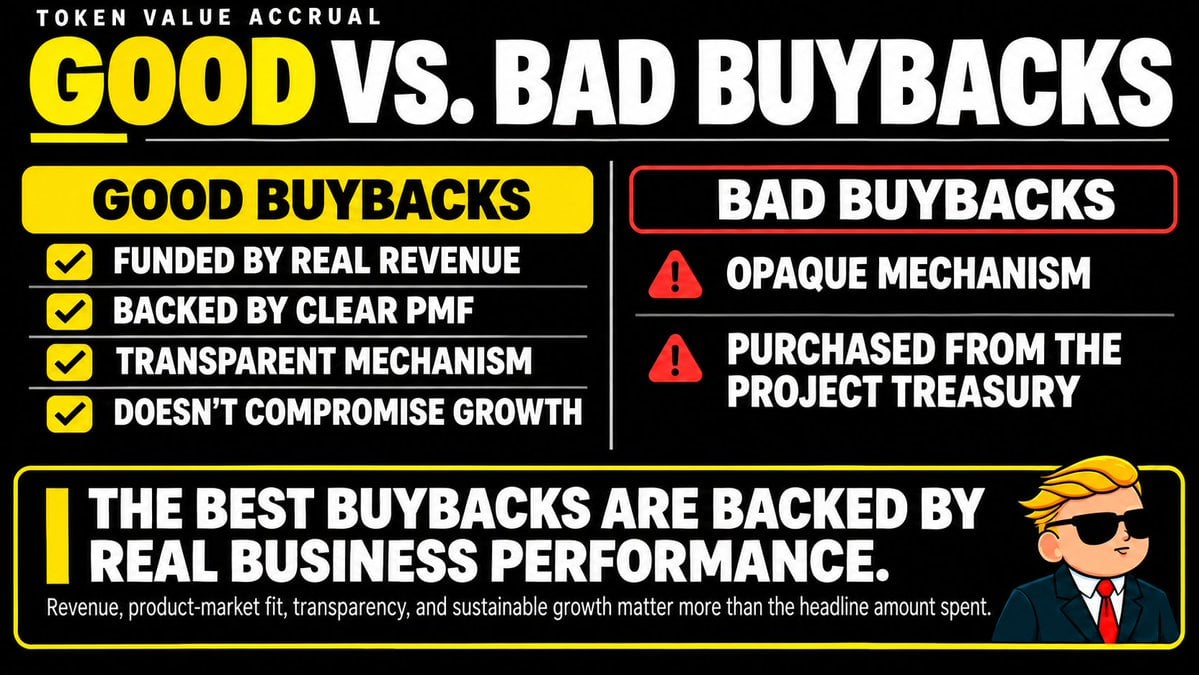
Most tokens do not give holders a legal claim on a company or its profits. A protocol can therefore earn substantial revenue without passing economic value to its token. Buybacks are one attempted link: a project uses funds to purchase tokens, then burns them, locks them or holds them in a treasury. What happens after purchase matters, as do the source of the funds and any new tokens entering circulation.
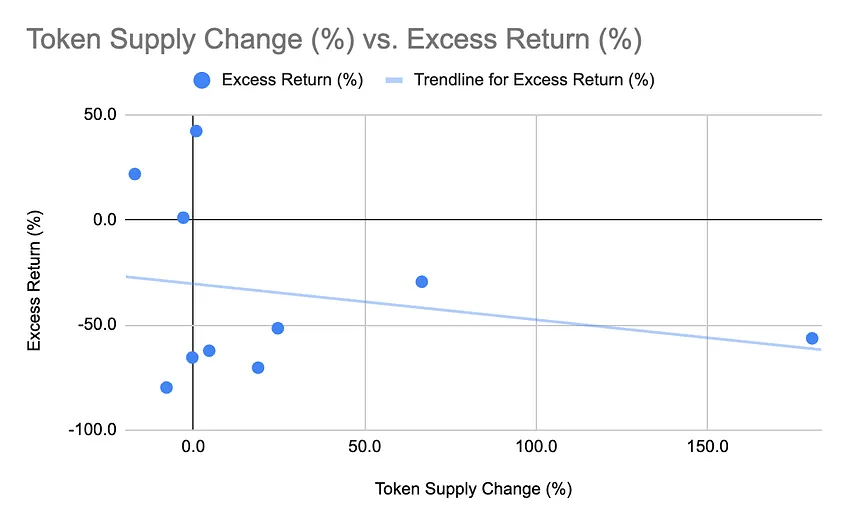
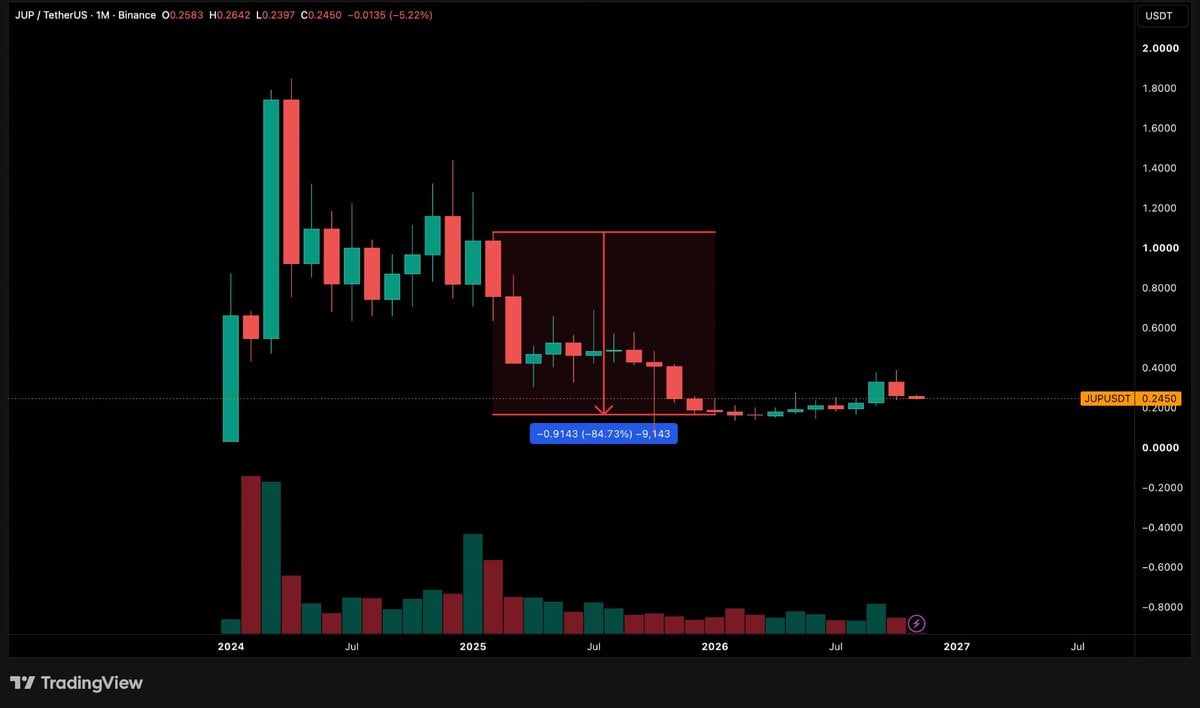
The article’s historical comparison illustrates the limits. In 2025, 28 major projects spent more than $1.4 billion on buybacks, yet only three of the ten largest buyback projects—AAVE, HYPE and SKY—outperformed Bitcoin that year. Jupiter, for example, had spent more than $70 million buying JUP by January 2026, according to the article, while the token’s price fell sharply. WallStreetBets argued that the broader Solana-market decline was important context; the buybacks did not overcome it.
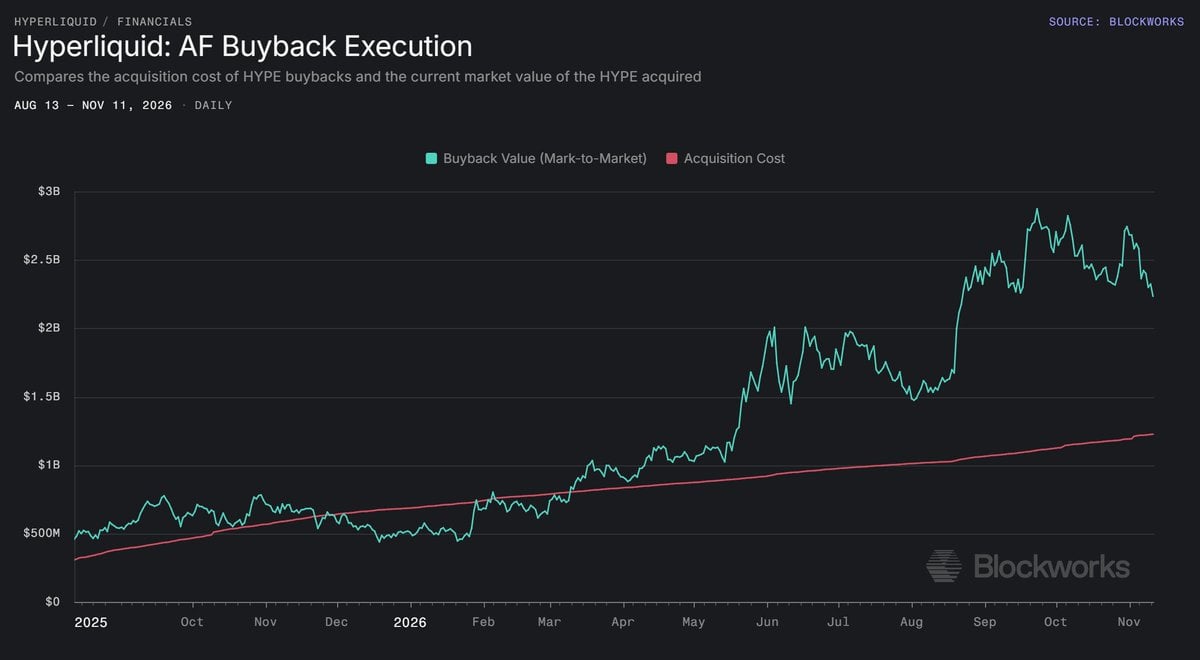
The author proposed four checks for a buyback program: whether recurring business revenue funds it, whether the product has established demand, whether holders can verify its execution and token destination, and whether the spending leaves enough capacity to invest in the business. Token unlocks and other supply increases can also outweigh purchases.
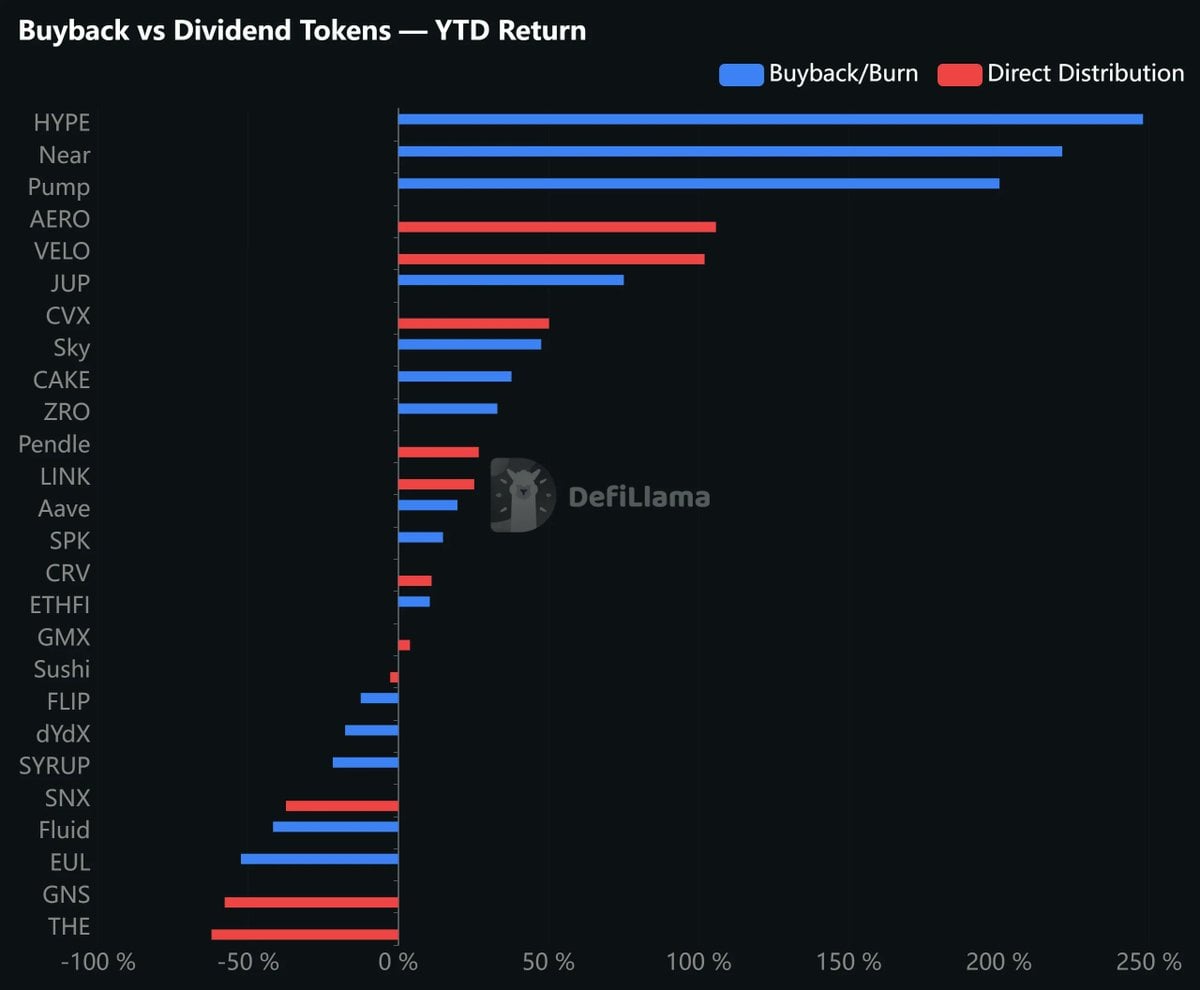
What the 2026 comparison shows
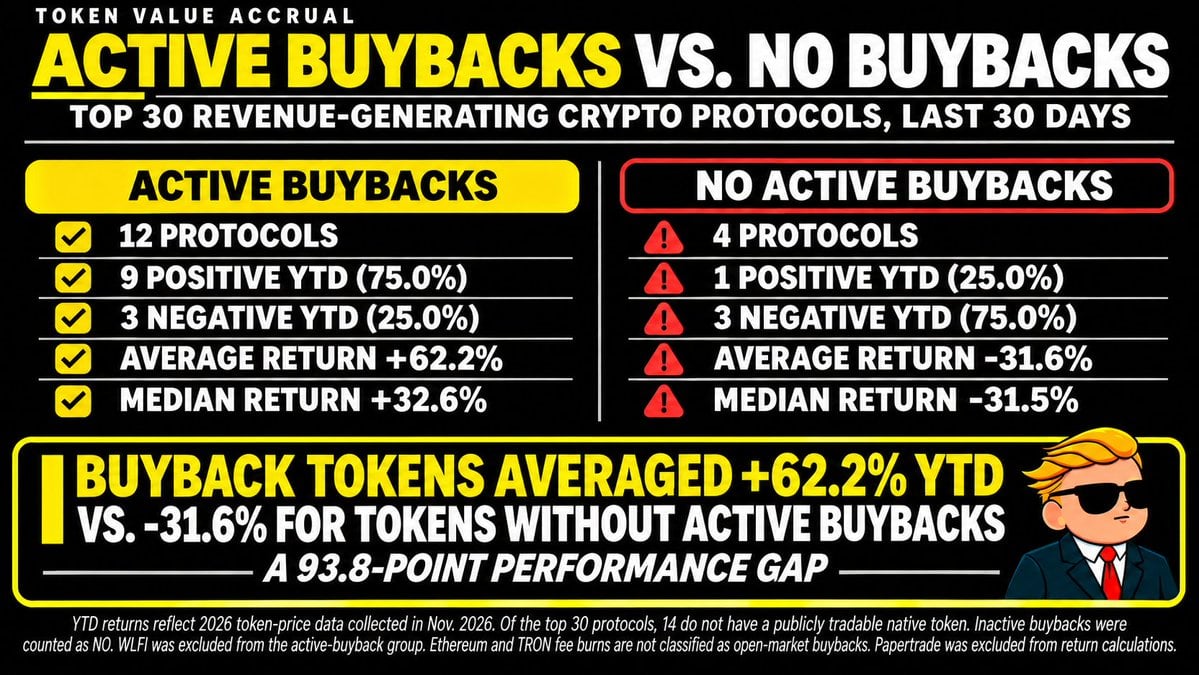
The article reported more than $900 million spent on token buybacks and related burn mechanisms in 2026 to that point, led by Hyperliquid at more than $505 million and Pump.fun at more than $269 million. In its sample of the 30 protocols with the highest revenue over the preceding 30 days, 14 had no publicly tradable native token. Of the remaining 16, 12 had active buybacks; nine of those 12 tokens had positive year-to-date returns, compared with one of the four without active buybacks. The article calculated average returns of +62.2% and −31.6%, respectively, using prices collected in November 2026.
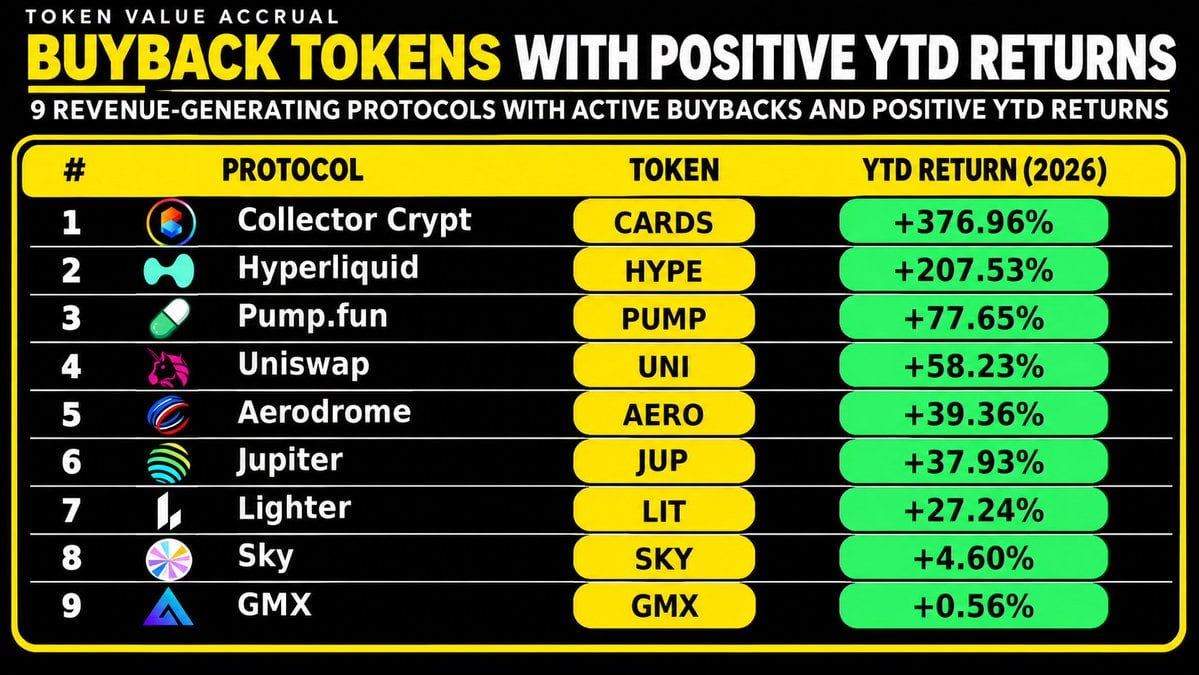
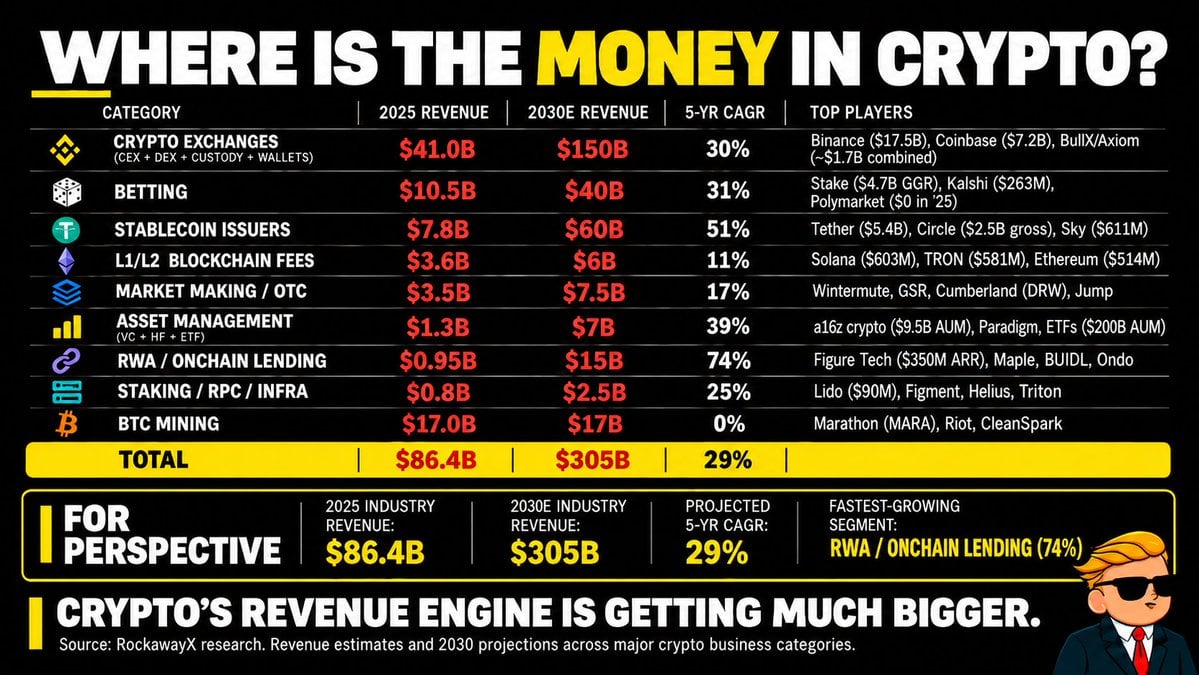
That comparison describes a small, selected group; it does not establish that buybacks caused the difference. The article also excluded newly launched World Liberty Financial from that comparison and did not count Ethereum’s or Tron’s automatic fee burns as open-market buybacks.
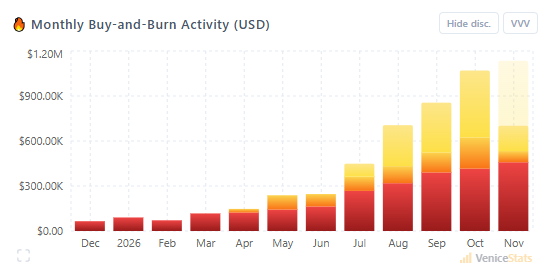
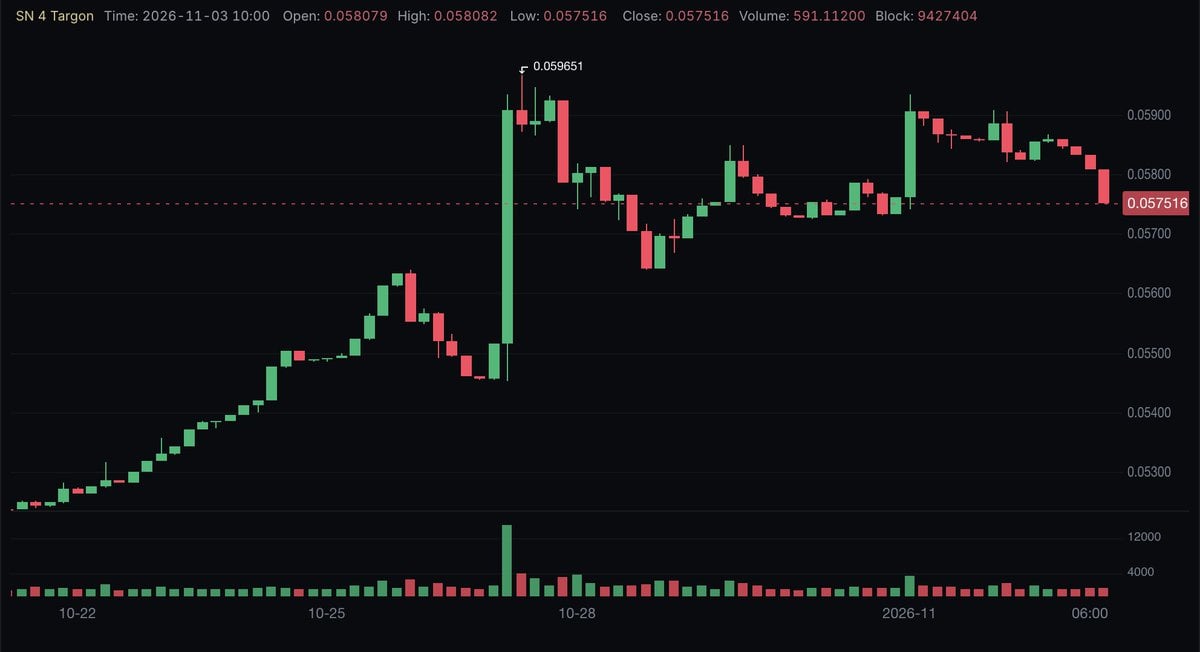
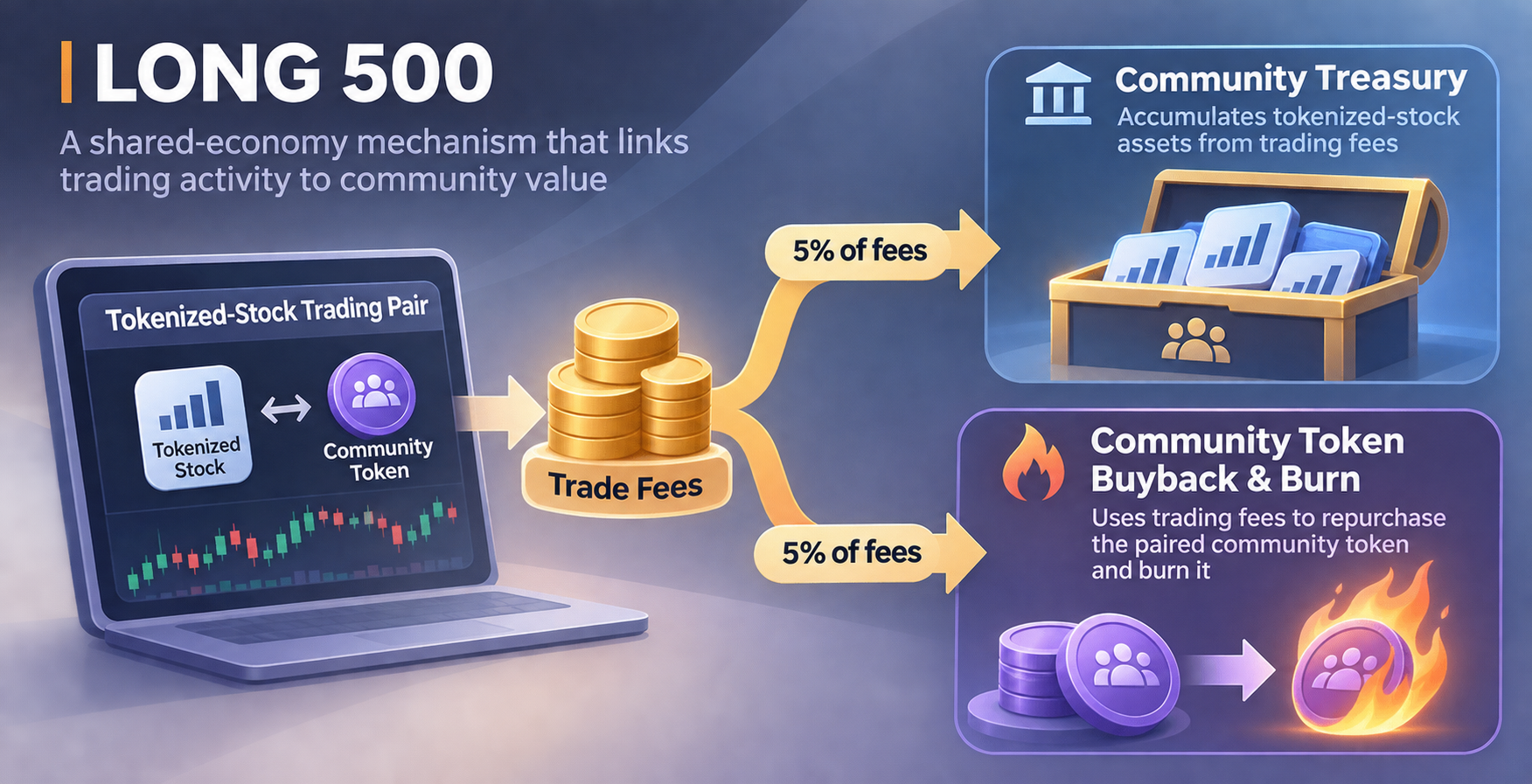
The narrative extends beyond trading protocols. WallStreetBets highlighted World Liberty Financial’s recently started WLFI buyback plan as an attempt to connect USD1 reserve-related earnings to token demand. It also cited Venice’s VVV burns, Bittensor subnets using external revenue to repurchase Alpha tokens, and LONG 500’s design to direct fees from tokenized-stock pairs toward a community treasury and community-token buybacks. These are different mechanisms, not interchangeable evidence that their tokens will appreciate.
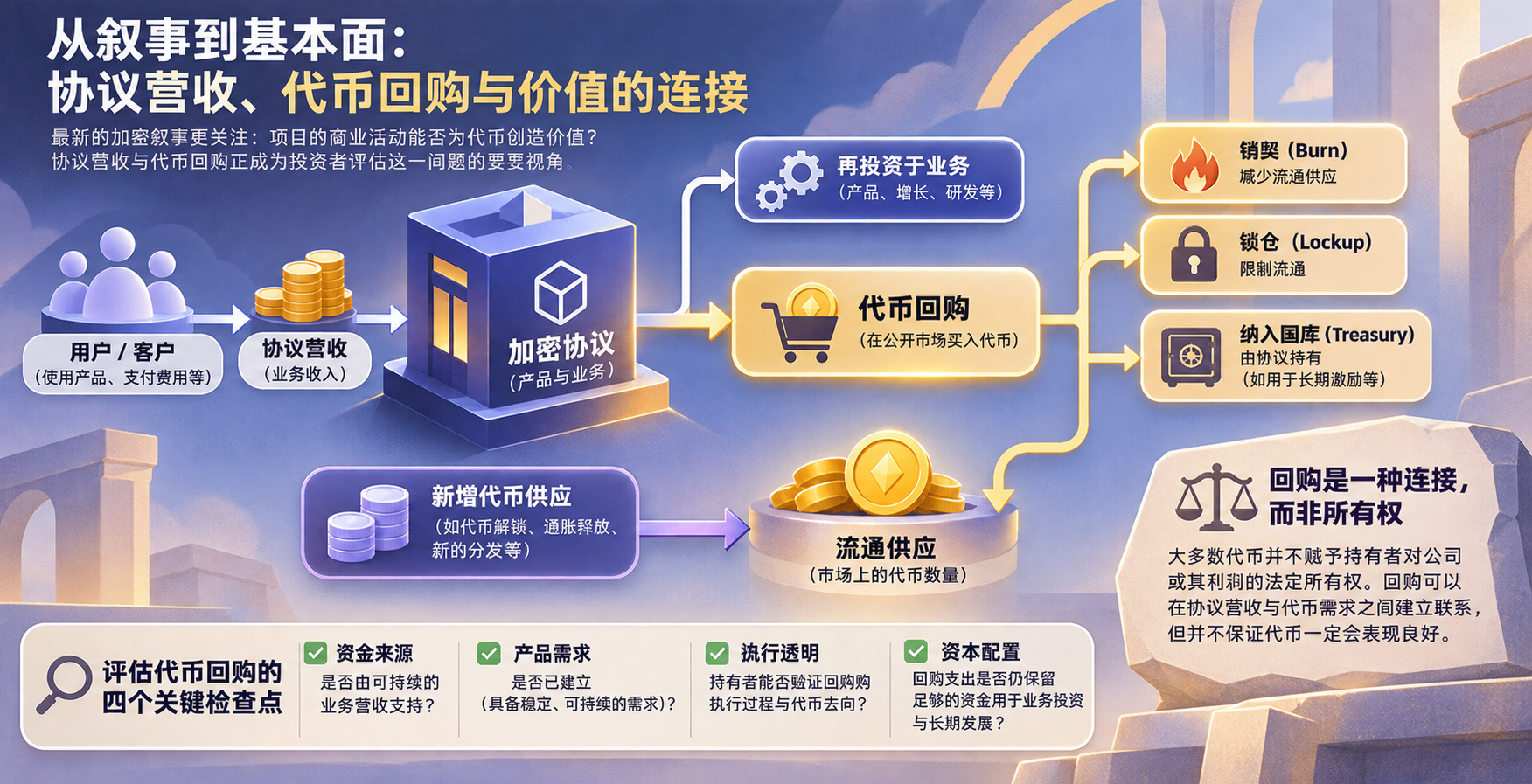
The useful shift in the discussion is away from treating a buyback announcement as a community rallying cry. The harder questions are whether revenue is durable, what the token actually receives, and whether purchases exceed the pressure from new supply. The article’s bullish outlook remains the author’s forecast, not an observed result.
Source: techflowpost.com (originally published 2026-11-13 16:37 UTC+8)