A change to the swap button on aave.com became a dispute over where value created around Aave should go. In an account published on December 15, 2025, crypto commentator Ignas examined the disagreement between Aave Labs and DAO participants—not as a dispute about CoWSwap itself, but about the boundary between a privately operated product and a DAO-governed protocol.
On December 4, 2025, Aave Labs changed the website’s default swap integration from ParaSwap to CoWSwap. Under the previous arrangement, referral fees and positive-slippage surplus from swaps went to the Aave DAO treasury. Aave documentation described fees of roughly 15–25 basis points under the new integration. DAO delegate EzR3aL said their investigation found that the fees instead went to an address controlled by Aave Labs. Their estimate that the DAO could lose at least $10 million a year was conditional on $200,000 a week being redirected; it was not a reported annual loss.
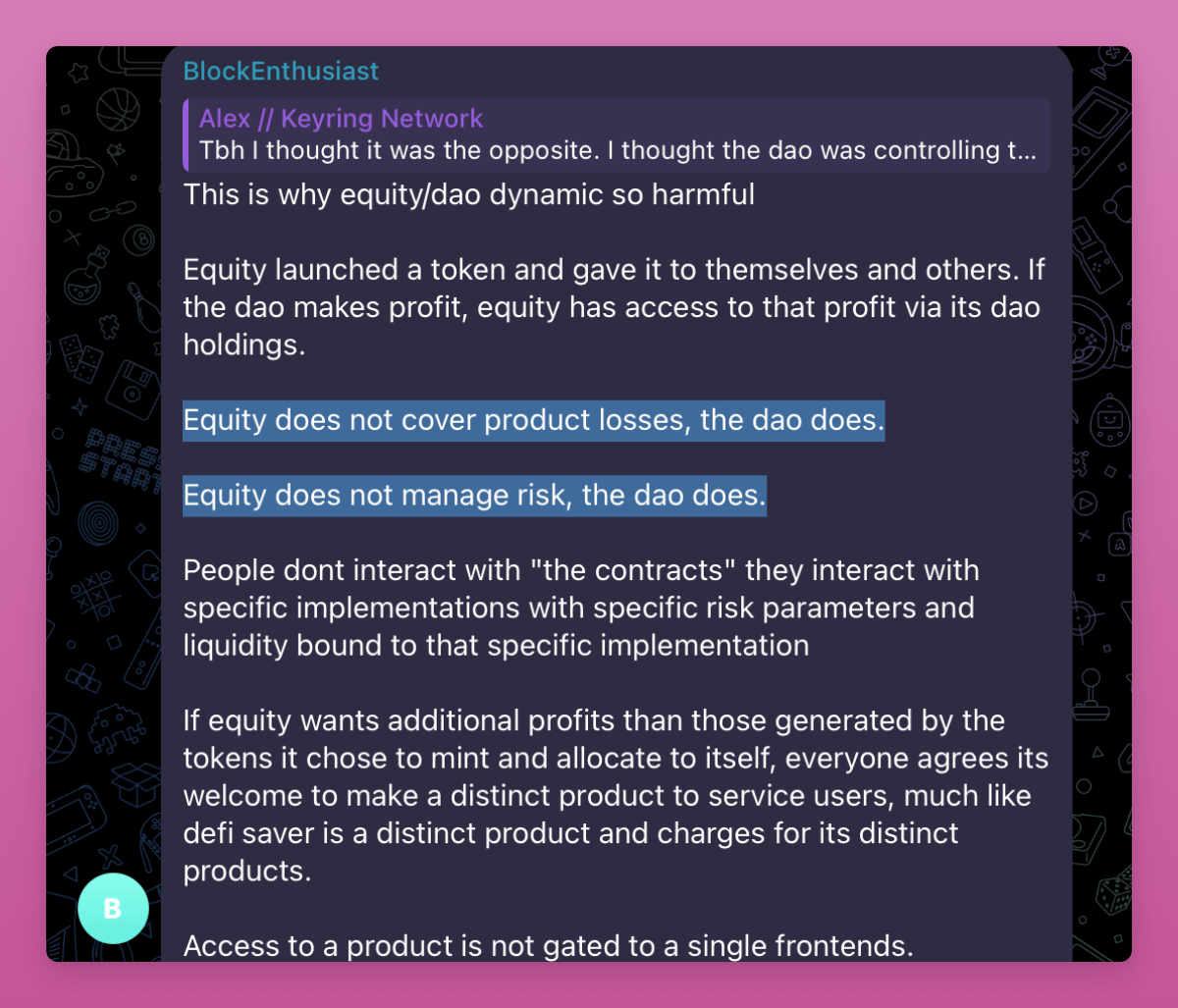
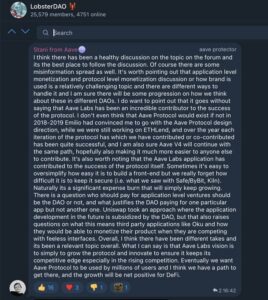
Aave Labs drew a distinction between the protocol and its website. In a forum response, it said the frontend is a product it operates independently of protocol and DAO governance. Aave founder Stani.eth said Labs had previously chosen to donate swap-related proceeds to the DAO. Labs also acknowledged criticism of how the change was communicated, according to the December account.
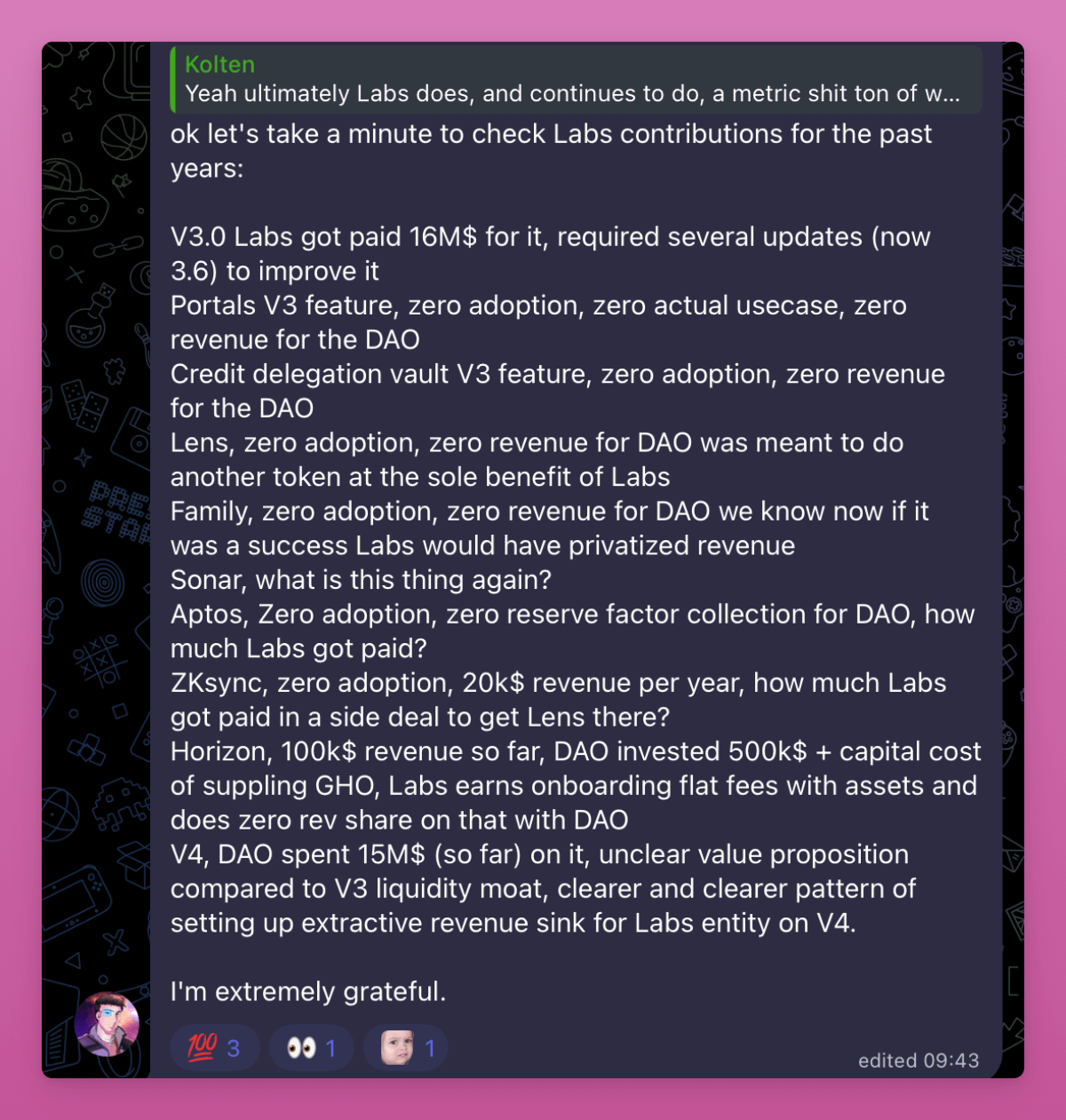
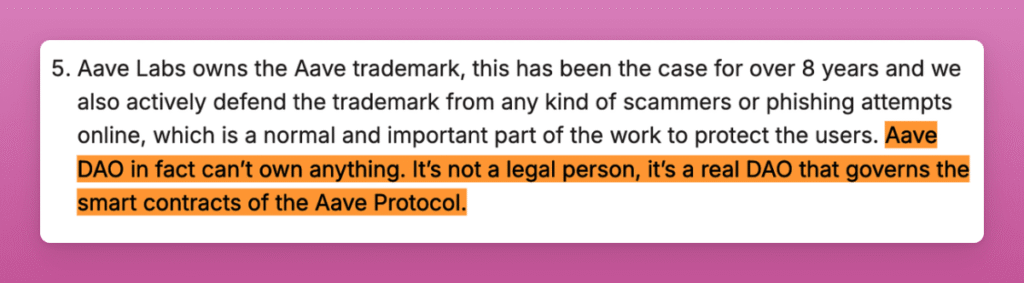
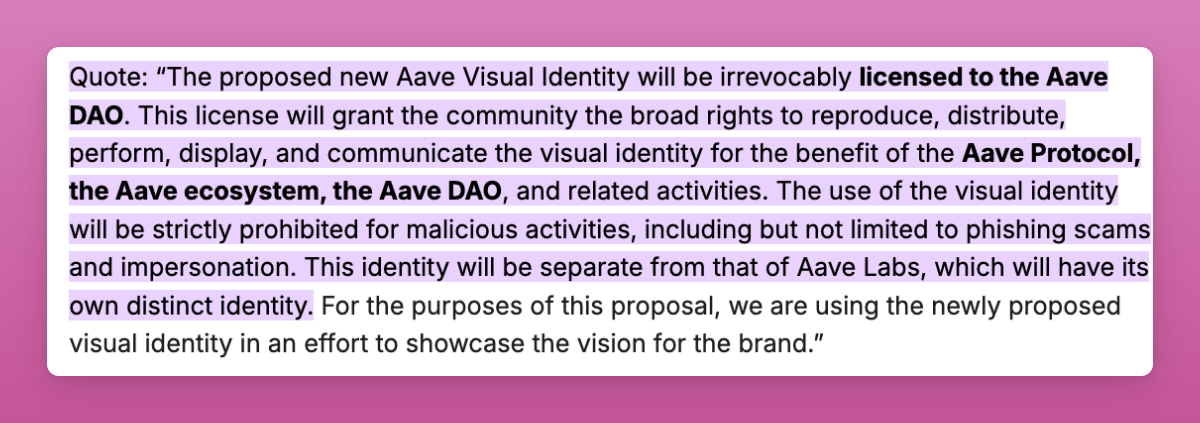
ACI founder Marc Zeller argued that service providers owe duties to the DAO and AAVE holders. He claimed the DAO was losing revenue and that routing decisions could cost it about 10% of potential revenue. The underlying disagreement extends to the Aave name: the account describes the DAO as licensed to use Aave branding for protocol-related purposes, while EzR3aL argued that the brand’s value reflects years of DAO spending, governance and risk-taking. That argument about economic contribution is distinct from legal ownership of the brand.
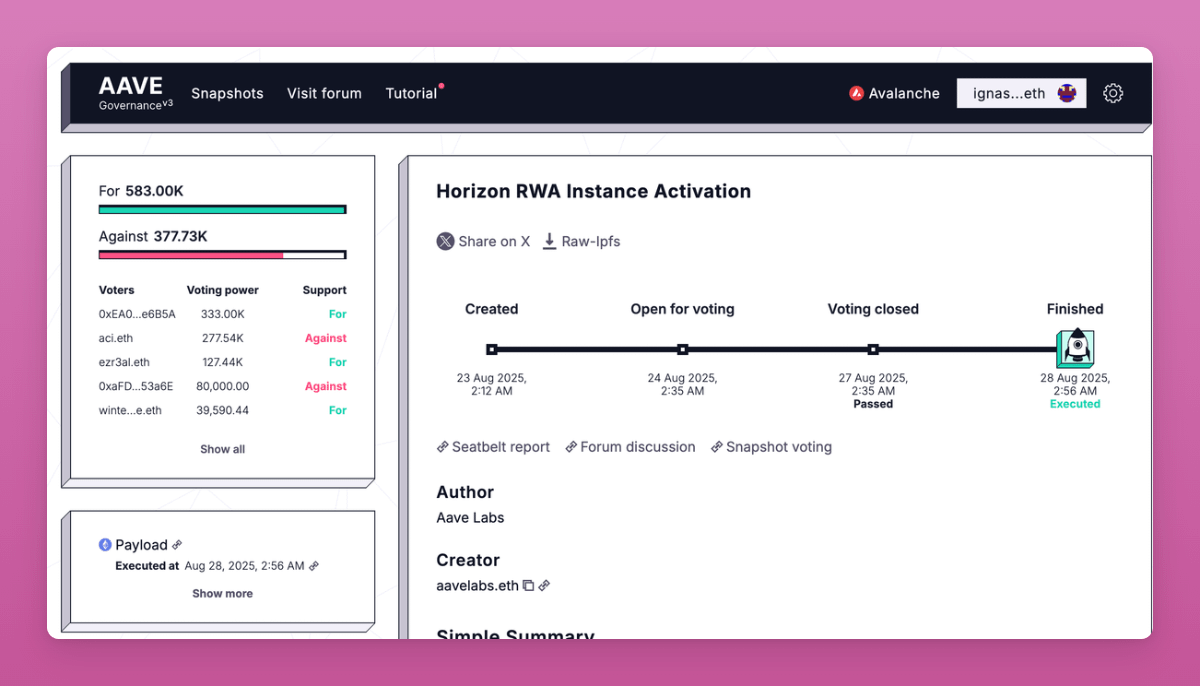
The swap change was not the only point of friction in the December account. A separate token initially proposed for Horizon, Aave Labs’ RWA initiative, was dropped after opposition. Horizon nevertheless launched following a contested governance vote. Citing figures attributed to Zeller, the account said Horizon had generated about $100,000 in gross revenue against $500,000 in DAO incentives—a roughly $400,000 gap before other costs or potential benefits. Zeller also raised concerns about the economics of GHO deployed to Horizon.
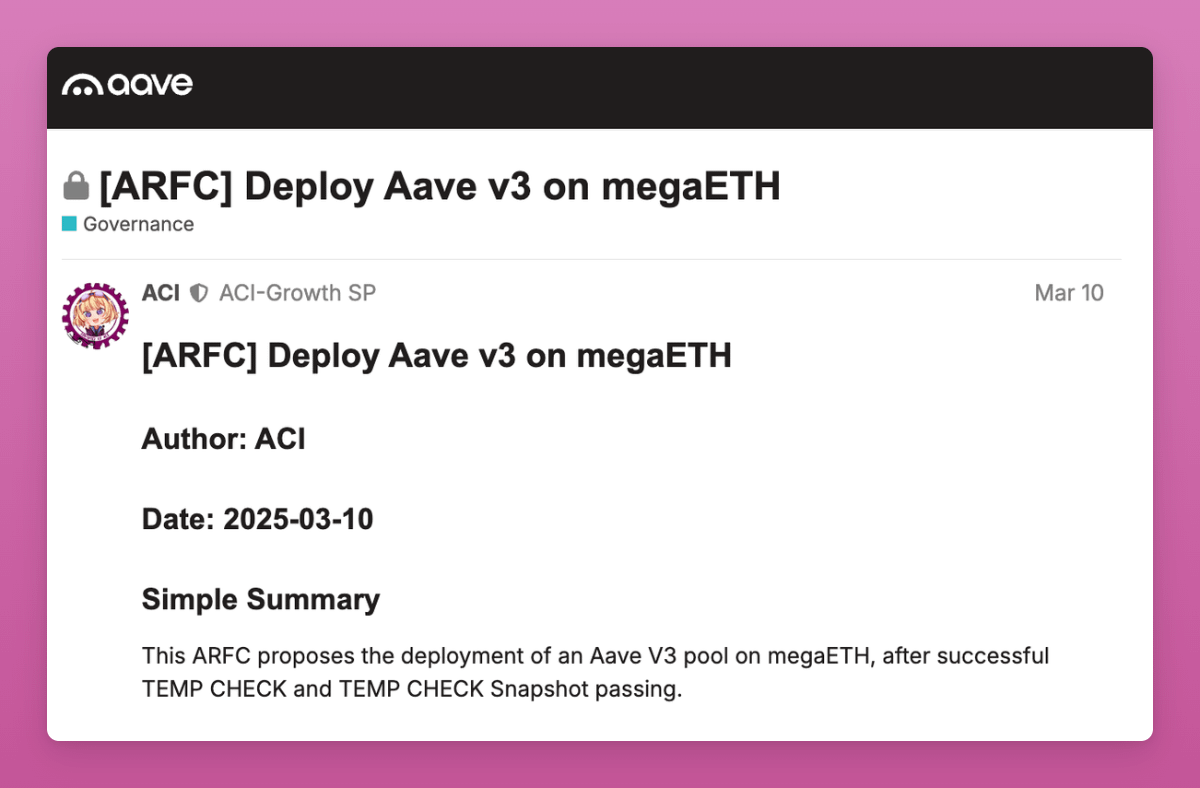
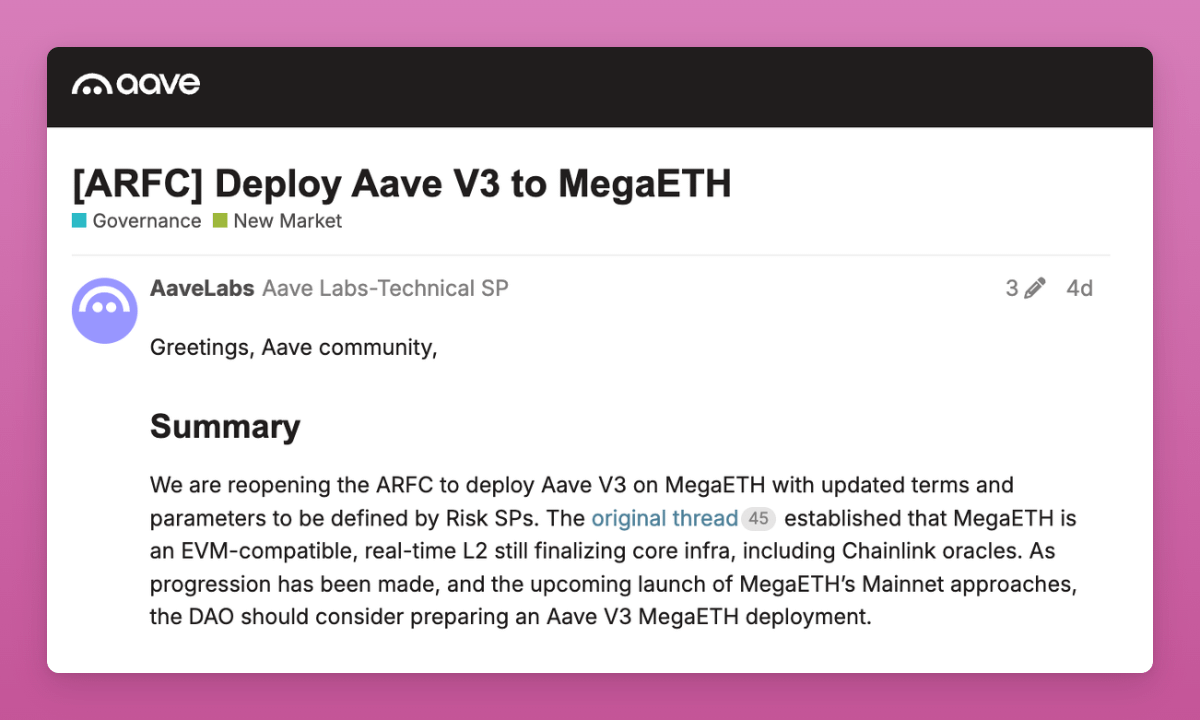
Aave Labs had separately proposed deploying Aave V3 on MegaETH. The proposal said Labs would receive 30 million MegaETH points that might be distributed as market incentives; those terms were part of a proposal, not an established payout. Zeller objected that a DAO discussion about a MegaETH deployment was already underway and said ACI learned of Labs’ approach when its forum proposal appeared.
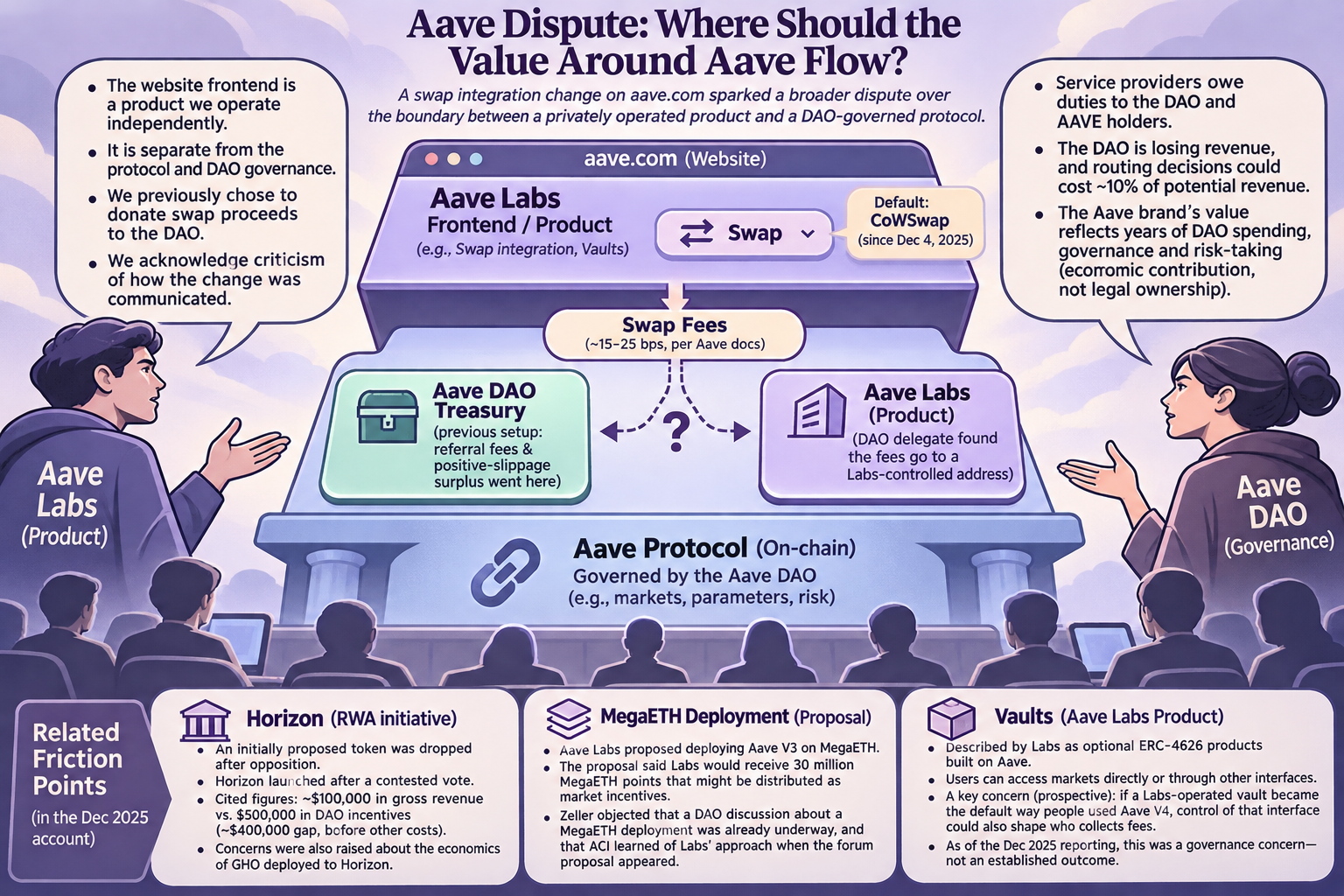
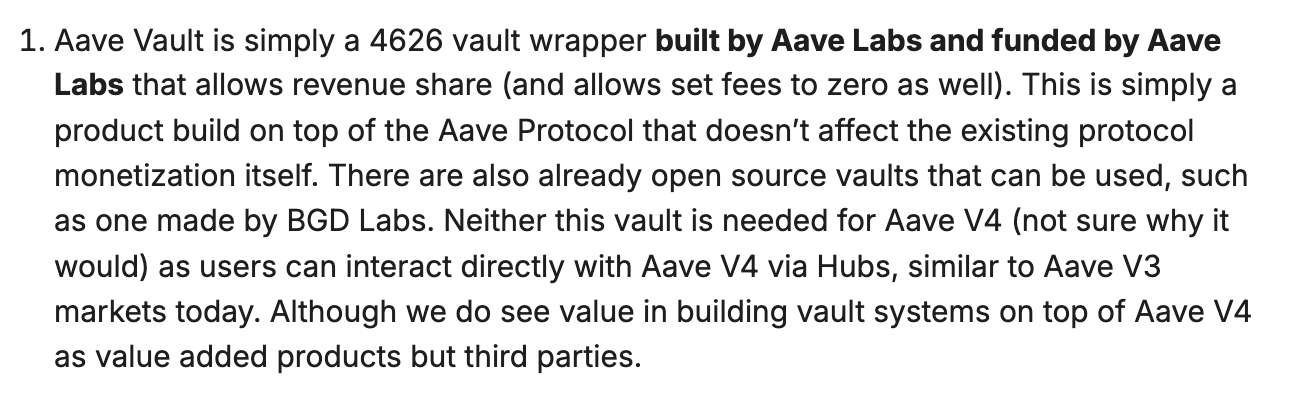
The same product-versus-protocol question applies to Aave Labs’ vaults. Labs described them as optional ERC-4626 products built on Aave, with users able to access markets directly or through other interfaces. Ignas’s concern was prospective: if a Labs-operated vault became the default way people used Aave V4, control of that interface could also shape who collects fees. As of the December 2025 reporting, that was a governance concern—not an established outcome.