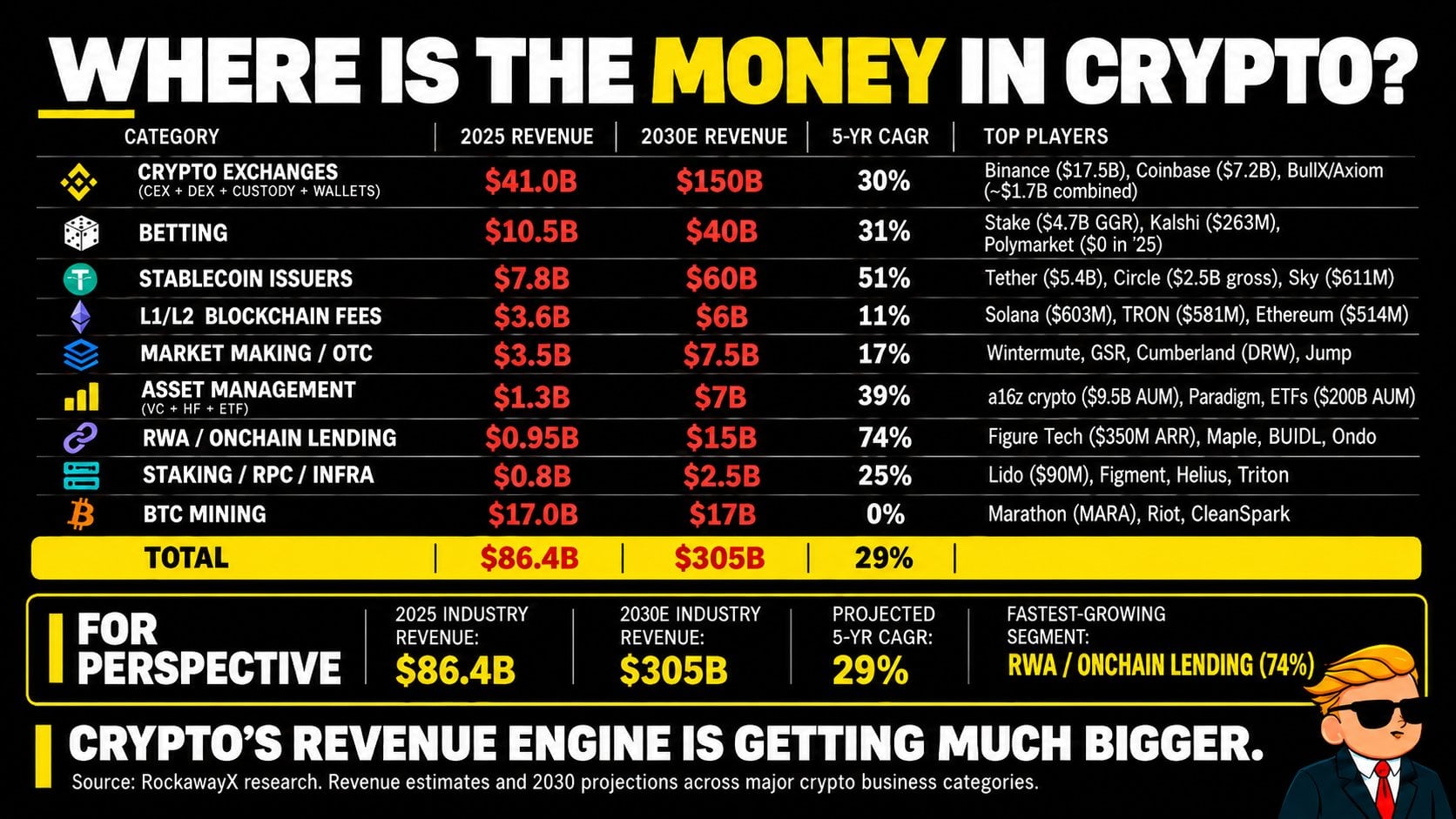
A crypto business can earn substantial revenue without giving its token holders a claim on that income. That gap is at the center of a “revenue narrative” examined in an analysis published on November 13, 2026: whether token buybacks can turn a protocol’s commercial success into lasting value for its token.
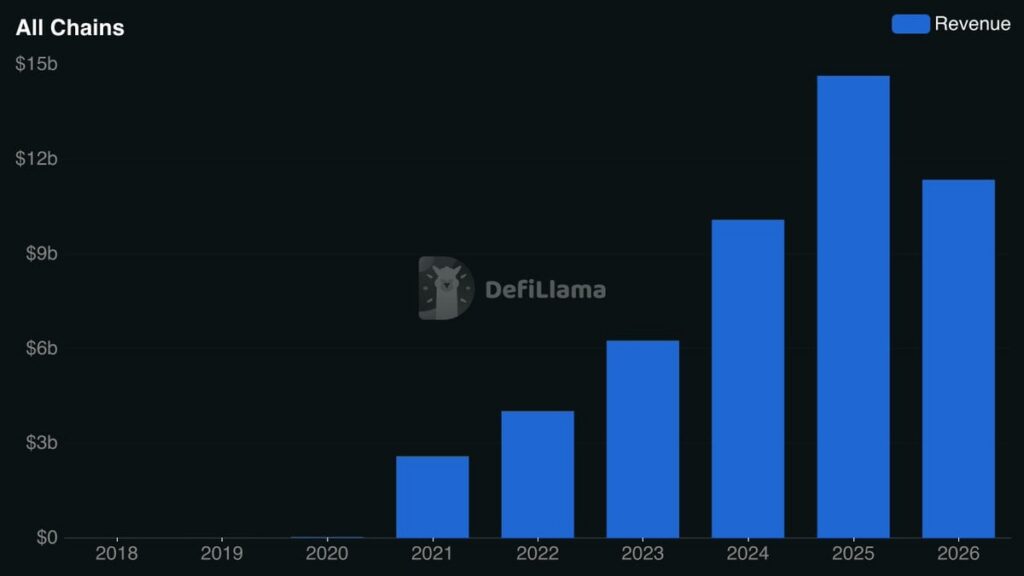
The analysis, written by WallStreetBets and translated by Foresight News, reported that crypto protocols had generated a combined $11.68 billion in revenue so far in 2026. It projected roughly $13.9 billion by year-end if November and December matched October’s pace. That is a forecast, not a reported full-year result.
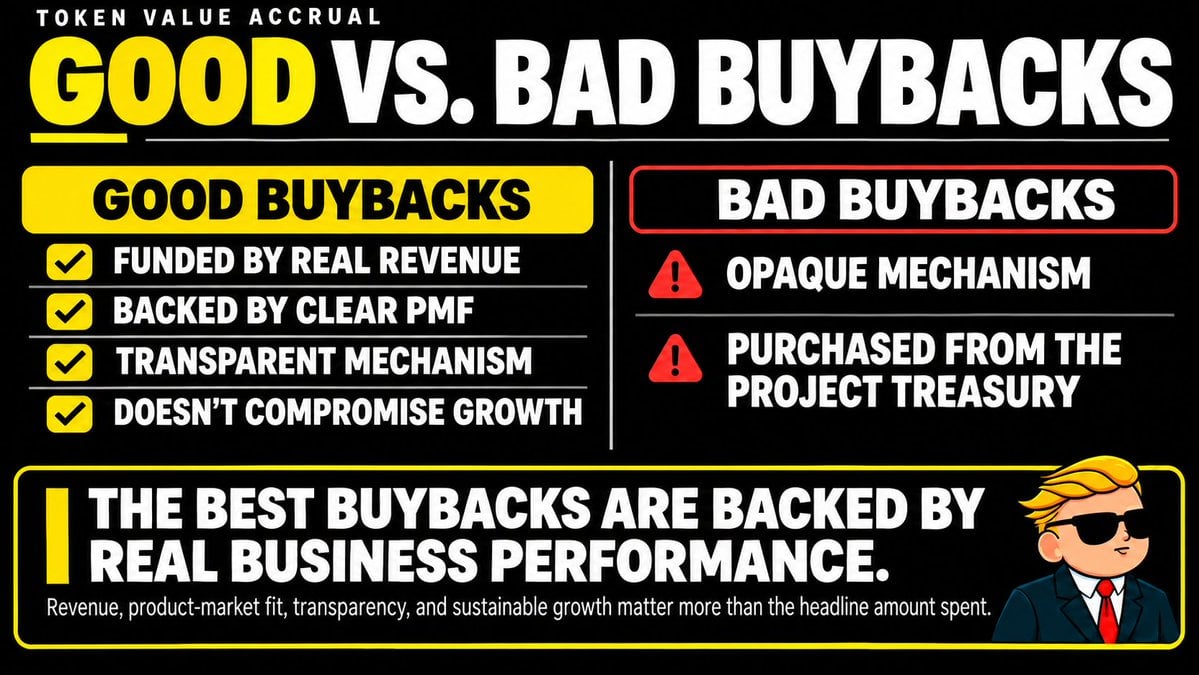
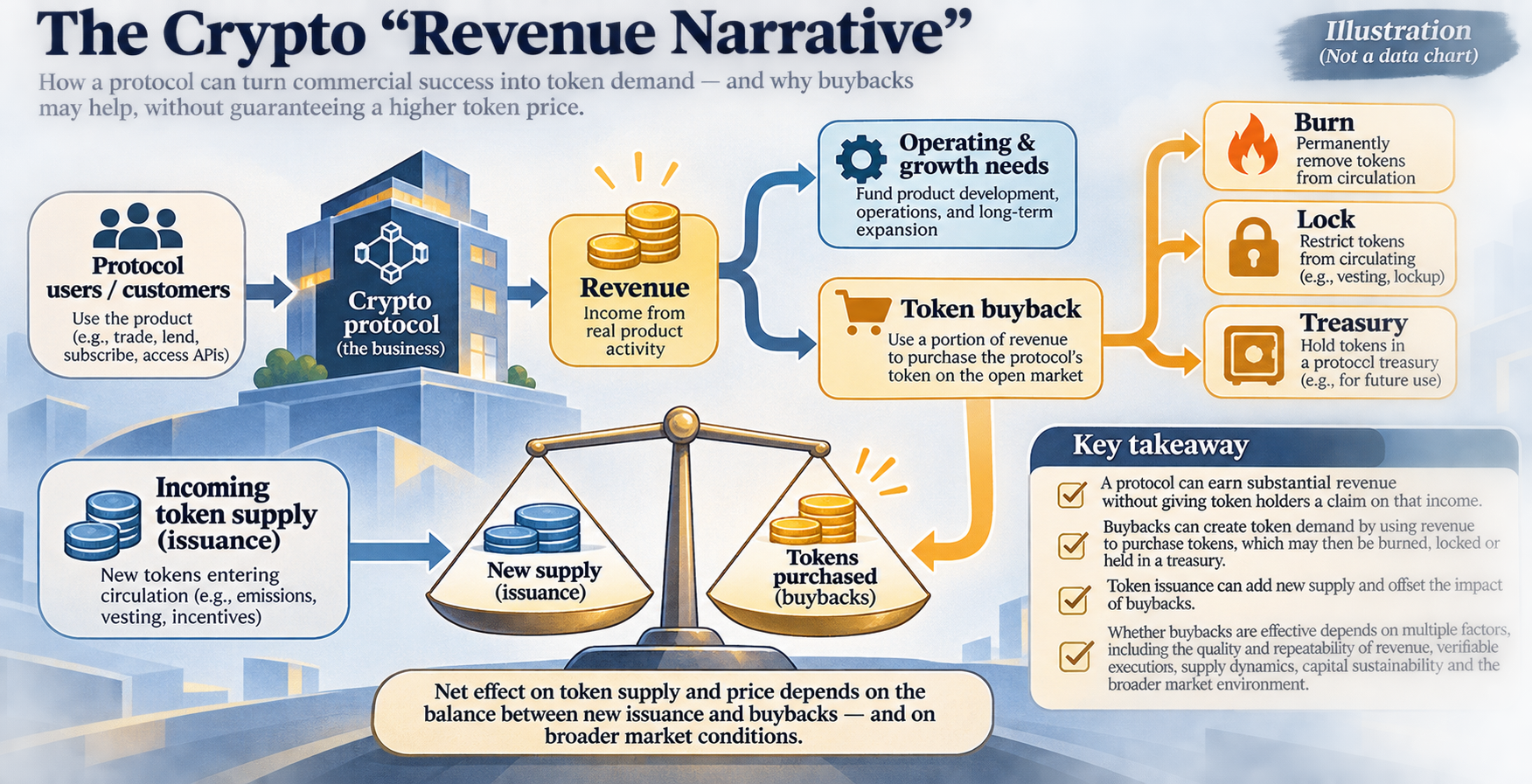
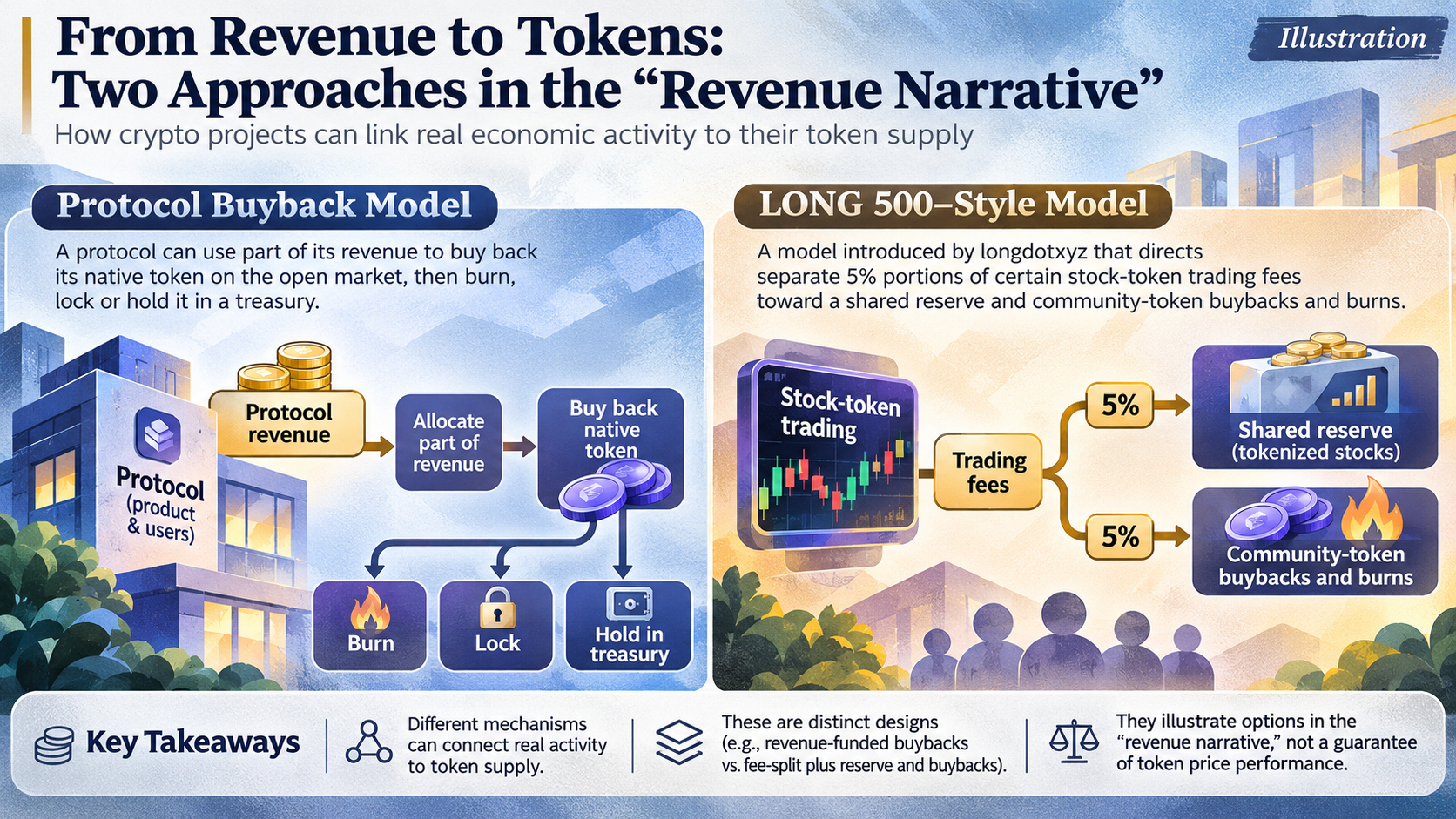
The distinction between a business and its token matters. Unlike shares, most tokens do not give holders legal ownership of the underlying business or its profits. A protocol may use revenue to buy tokens on the open market and then burn, lock or hold them in a treasury, but the resulting demand does not guarantee a higher token price.
What the buyback figures show—and what they do not
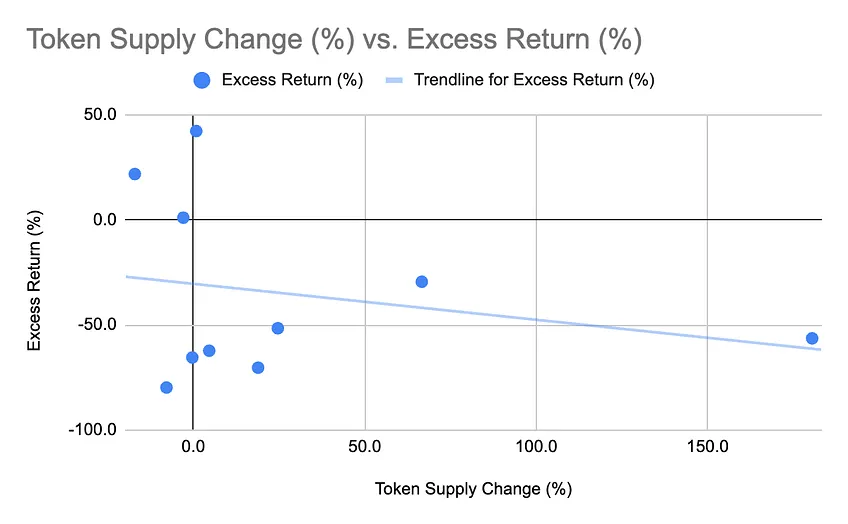
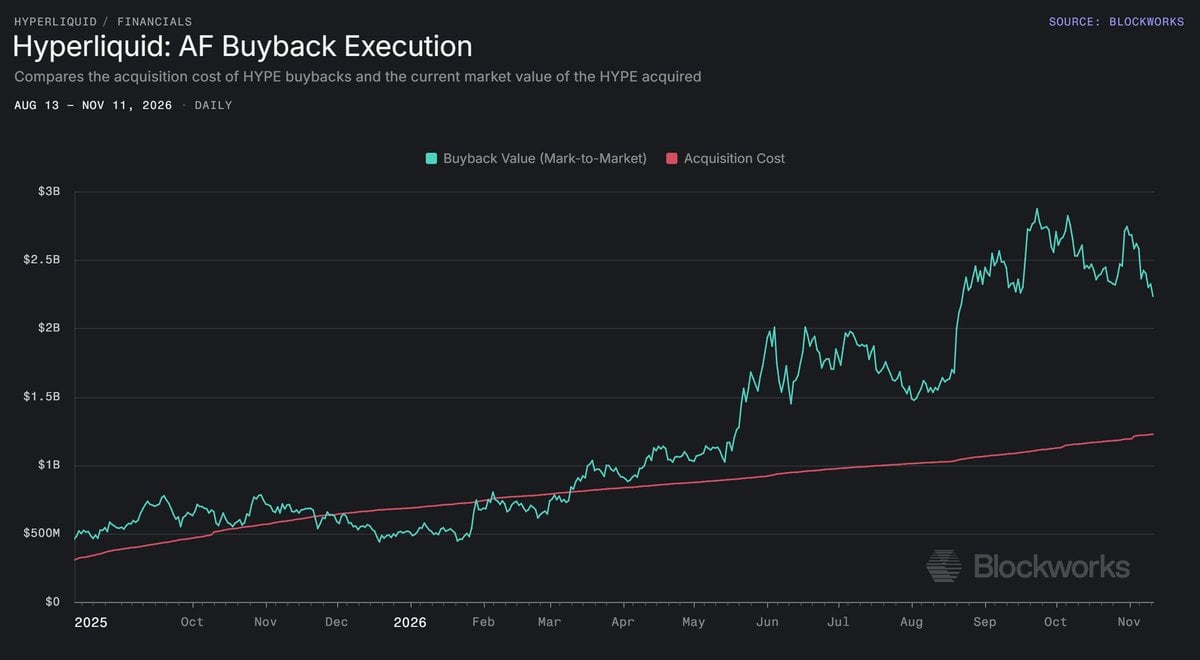
According to the analysis, 28 major crypto projects spent more than $1.4 billion buying back tokens in 2025. Only three programs—AAVE, HYPE and SKY—outperformed Bitcoin during their respective buyback windows. The author argues that judging buybacks by price alone misses important conditions: whether genuine, repeatable revenue funds them; whether execution is verifiable; whether new token supply outweighs purchases; and whether the spending leaves enough capital to support the business.
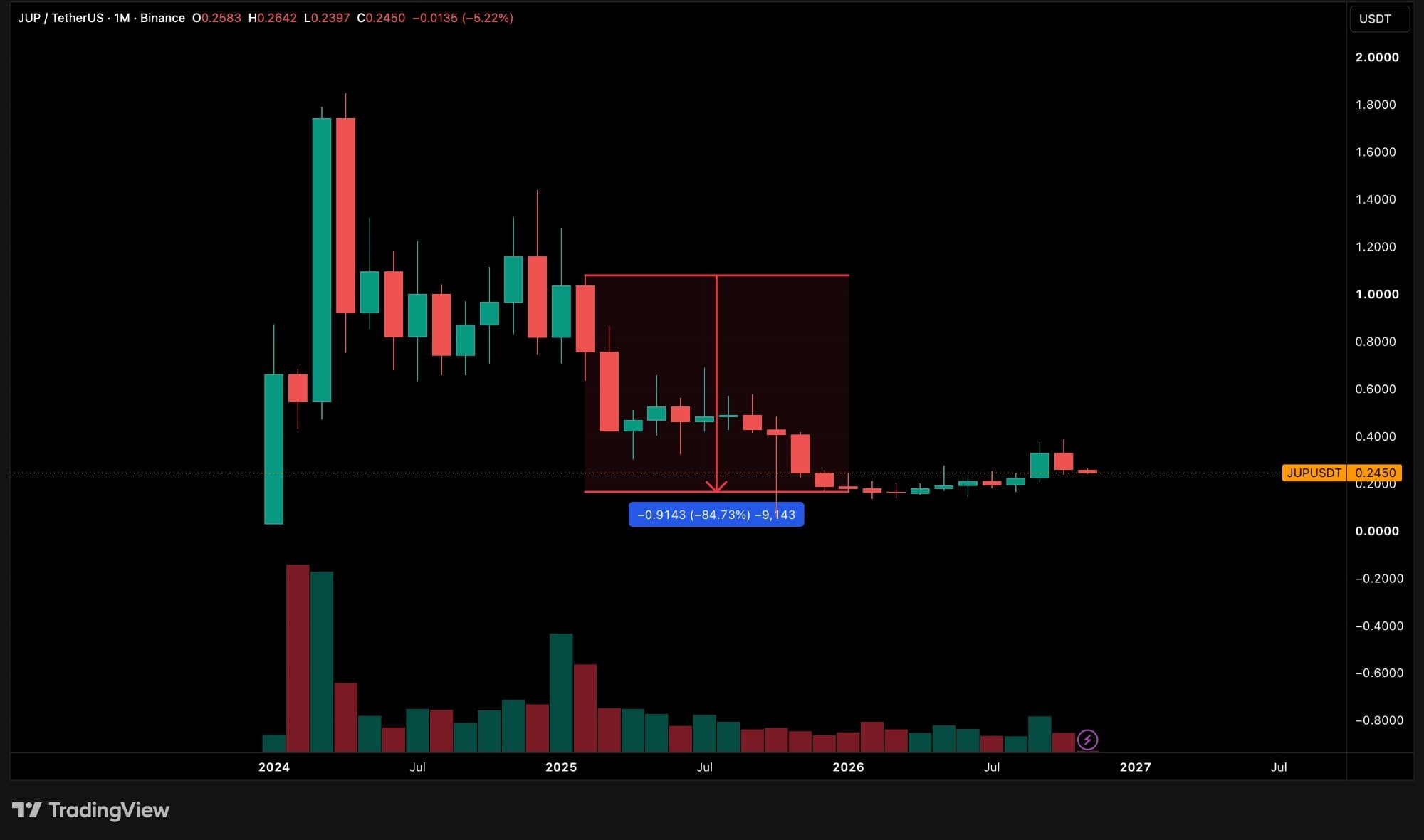
Jupiter illustrates the limits. It began directing 50% of onchain protocol revenue toward JUP buybacks in February 2025 and had spent more than $70 million by January 2026, the analysis said, while JUP continued to fall. The author pointed to broader selling across Solana-linked assets as part of the context—not proof that the purchases were effective or ineffective in isolation.
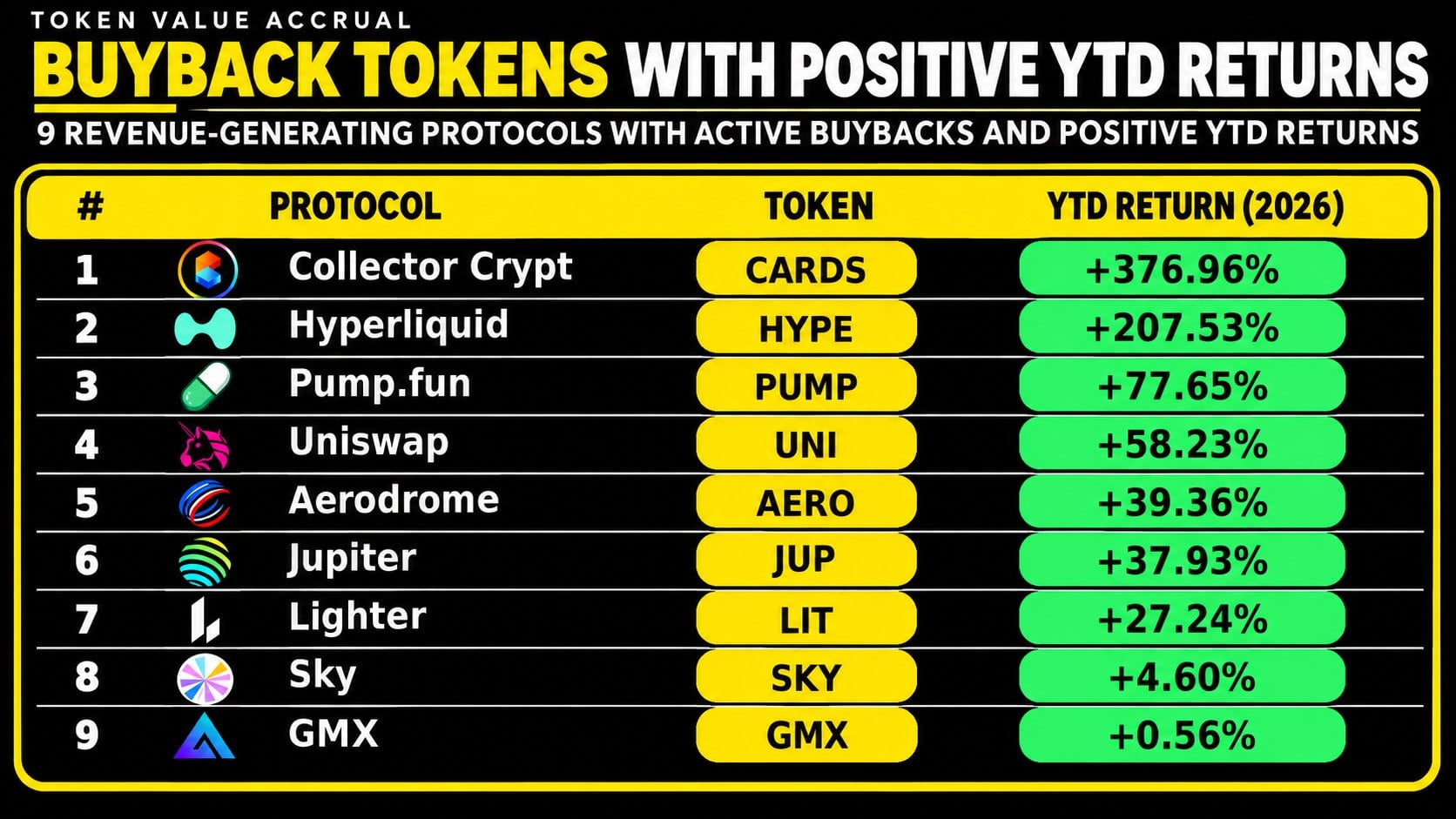
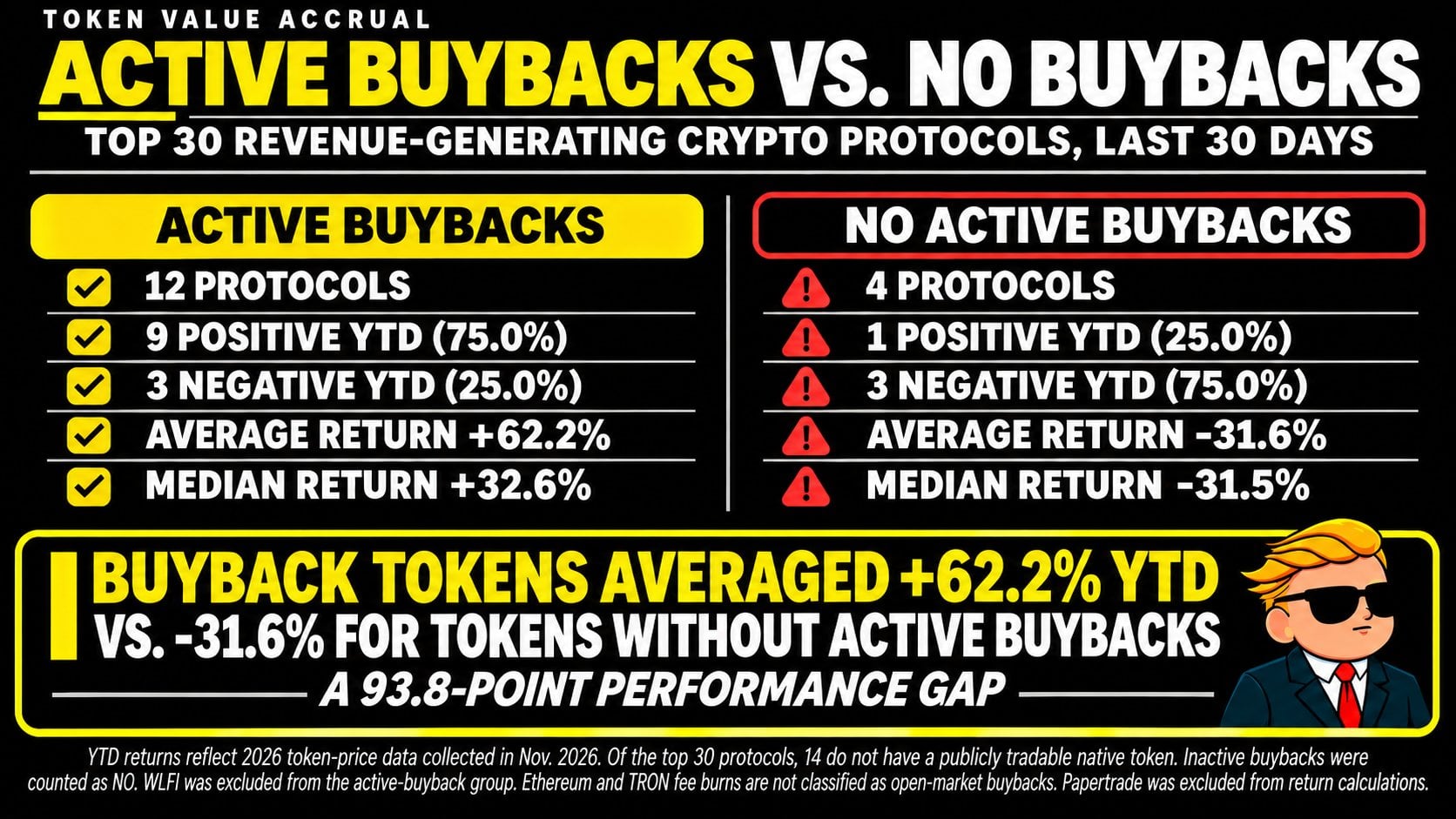
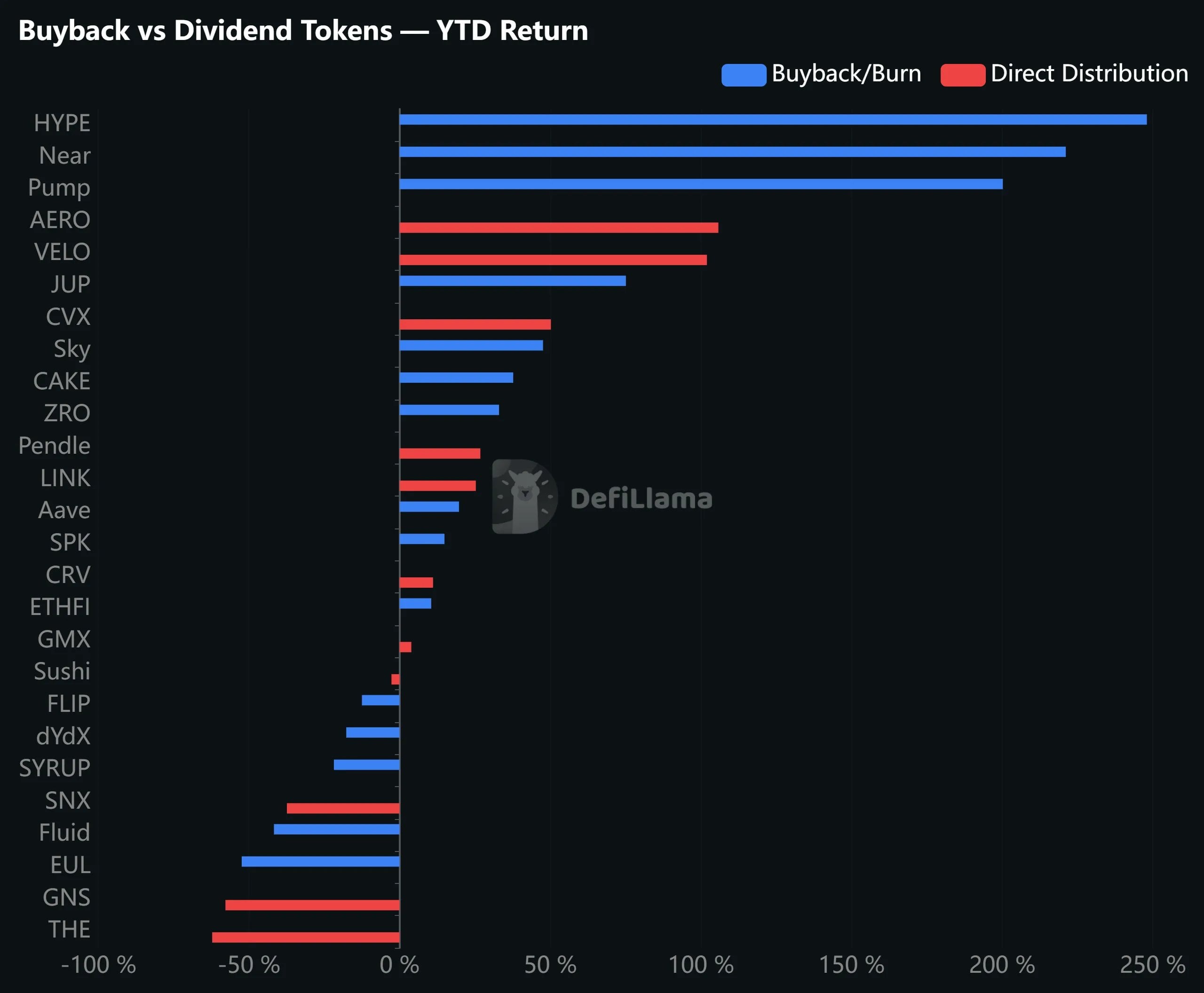
The 2026 comparison is more favorable to buybacks, but it is still a selected sample rather than a causal test. Among the 30 protocols with the highest revenue over the preceding 30 days, the analysis identified 16 with publicly tradable native tokens. Of those, 12 had active buybacks: nine tokens had positive year-to-date returns, with an average return of 62.2%. The four without active buybacks averaged −31.6%. Those figures show an association within that group; they do not establish that buybacks caused the difference.
Experiments beyond a single protocol
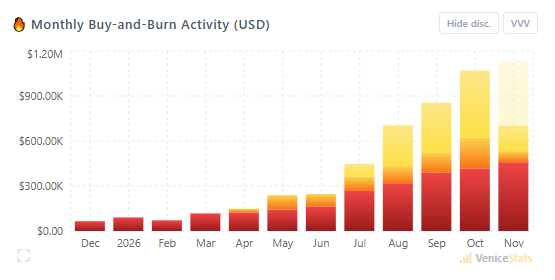
The analysis also described different ways projects connect activity to token supply. It said World Liberty Financial had begun a WLFI buyback using a portion of income associated with USD1 reserves, which it estimated at more than $150 million annually. For Venice, it reported that subscriptions and API-credit purchases helped fund automated VVV burns, alongside a November 9 buyback that removed about $458,000 worth of tokens from circulation.
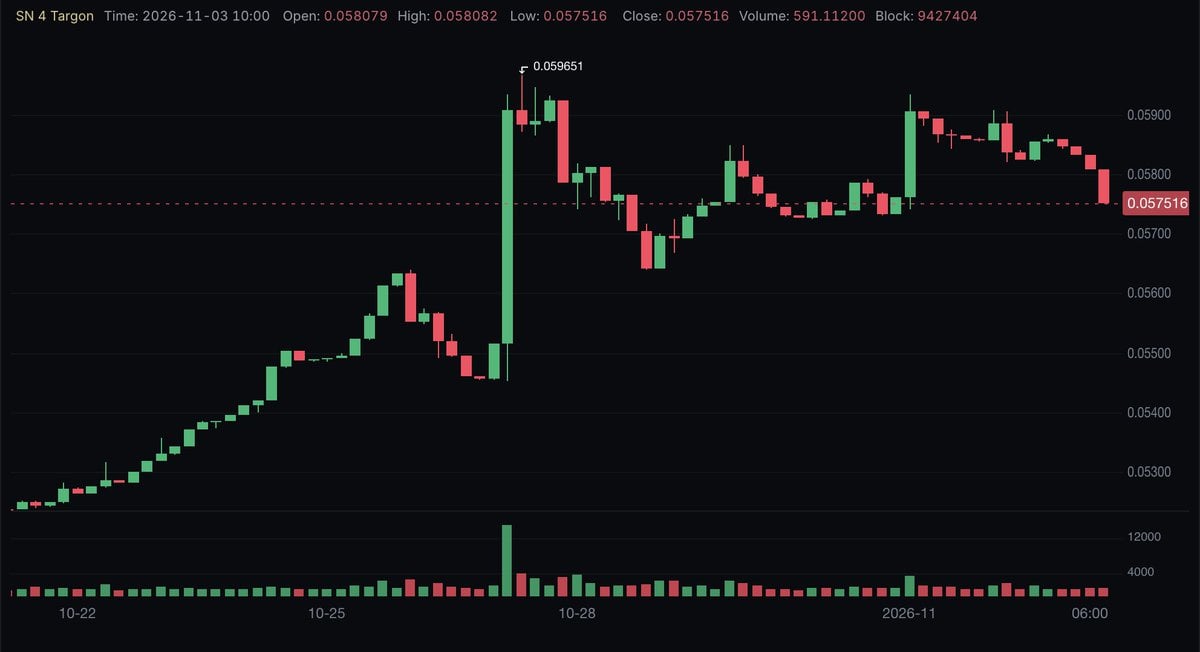
In Bittensor, the analysis cited Subconnect data showing that, as of August 2026, 14 of 24 subnets with external revenue used it to fund buybacks of their alpha tokens. It also described LONG 500, introduced by longdotxyz in September, as a model that directs separate 5% portions of certain stock-token trading fees toward a shared reserve and community-token buybacks and burns. These are distinct mechanisms, not evidence that any one model will work across an entire ecosystem.
The cultural shift in the “revenue narrative” is from asking whether a token has an appealing story to asking who receives the value when people actually use a product. The reported buybacks make that question more concrete. They do not settle it: revenue, token issuance, treasury decisions and market conditions all remain part of the answer.