In an account published on November 16, 2026, Solana developer @tomit1n described lying awake before the Breakpoint conference in London, confronting what he said was the loss of nearly all the money he had built through work and crypto investing. His story is a personal account, not an independently verified record of his trades or the events he attributes to particular companies.
How participation became a portfolio
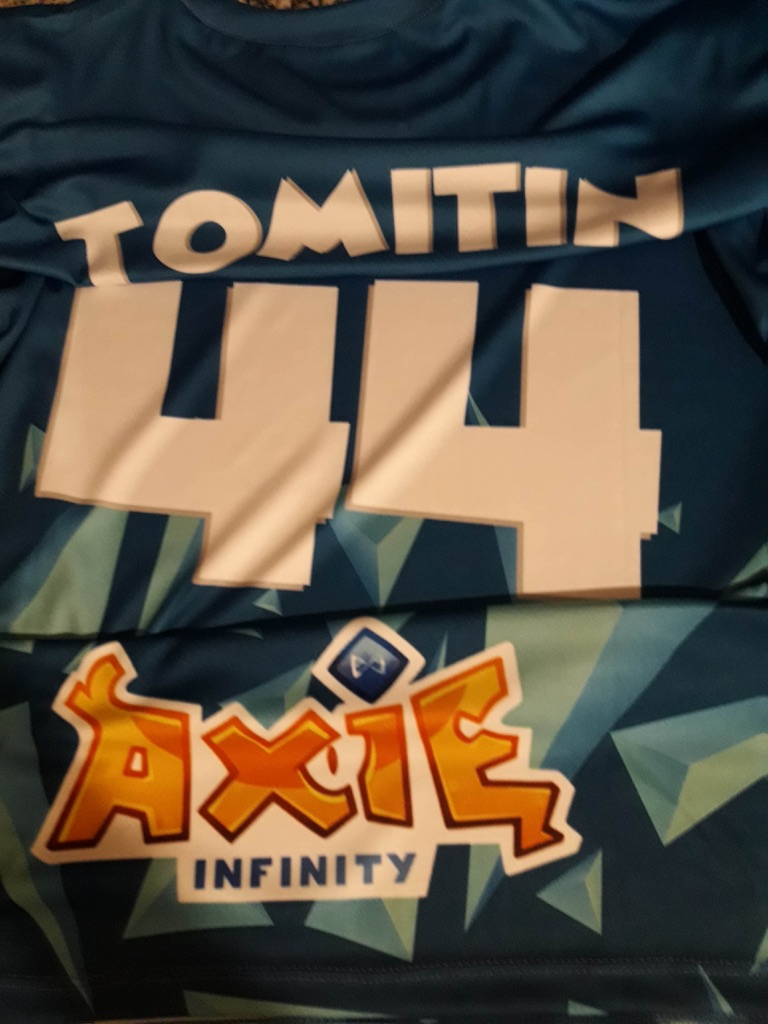
The developer said he began with $6,000 in savings, invested in travel stocks during the 2020 pandemic sell-off. About a year later, his account had grown to roughly $15,000. He then moved into Axie Infinity, the NFT game, writing a bot to find underpriced Axies and spending eight or nine months trading full-time. He also said he helped manage 400 people in a gaming guild and became a chat moderator—roles that took him beyond trading and into the game’s community. Looking back, he called the game’s economics a Ponzi scheme; that is his assessment.
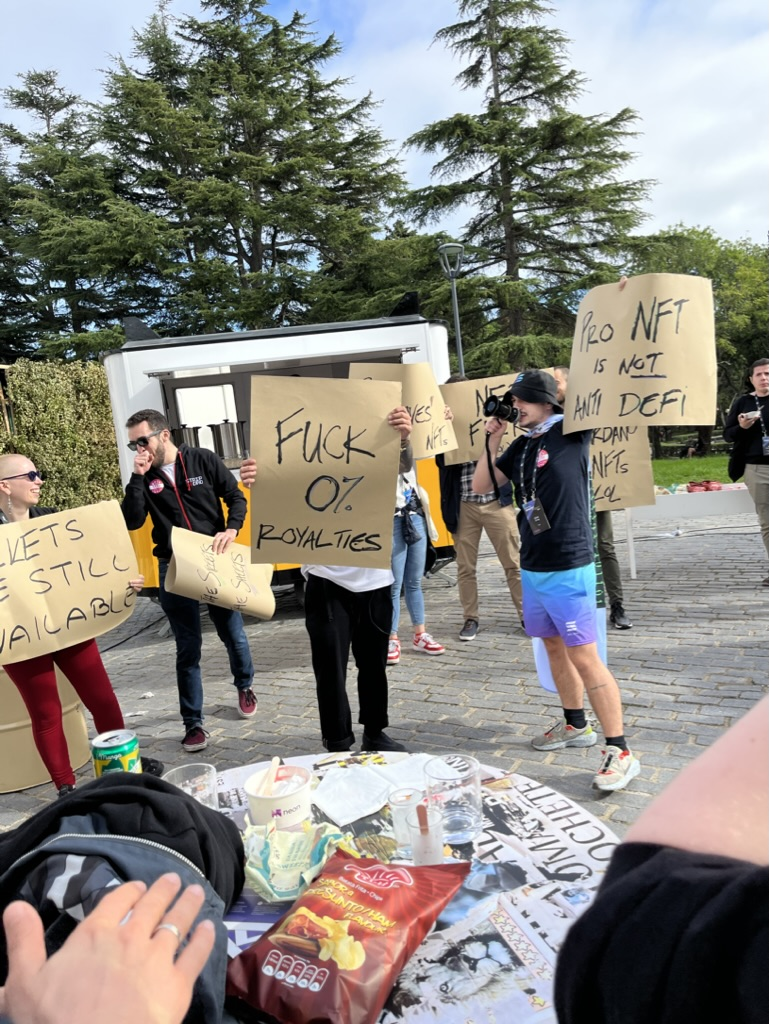
After leaving Axie in early 2022 with about $15,000, he joined Step Finance, a Solana portfolio-tracking company. He said the job paid eight times his former junior developer salary of approximately $1,000–$1,200 a month. Living with his mother, he invested nearly 95% of his pay in SOL, STEP and USDC. By the week before the Amsterdam Breakpoint conference, he said his account had first reached $100,000.
Conviction, concentration and leverage
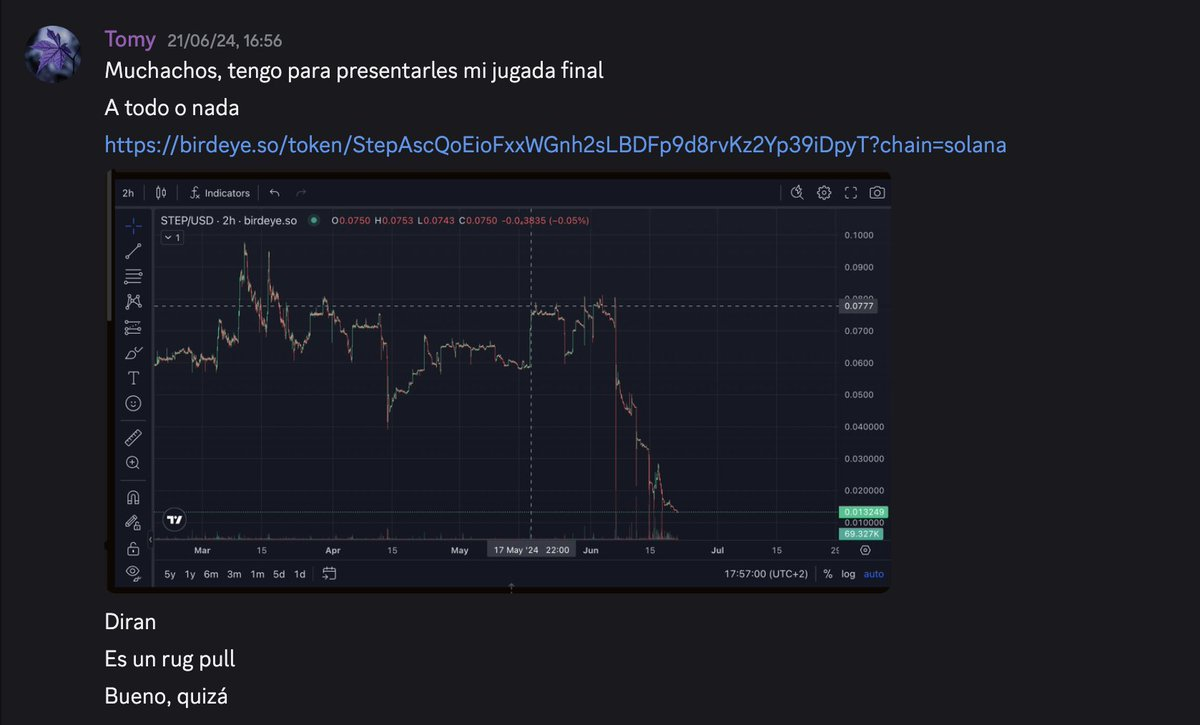
His largest bet was on STEP, the token associated with his employer. In 2024, he said, buyers of a STEP holding previously owned by FTX sold it within days. He interpreted the resulting price fall as a temporary supply shock and bought after a reported 90% decline. Months later, he valued that position at $500,000. He also described a reluctance to sell because he feared depressing the price for friends who held the token—a social concern that left his own portfolio concentrated.
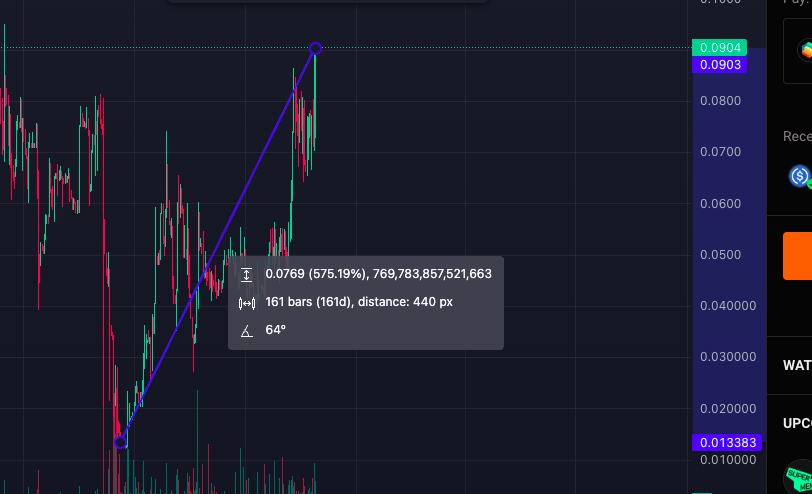
He said Step’s acquisition of tokenized-stock company Remora in early 2025 preceded a rise in STEP. Although he sold $200,000–$300,000 worth, he reported that his remaining STEP position reached $1.4 million, or about 1.3% of the token’s supply. He attributed the subsequent reversal partly to what he considered a failed Remora launch. After a breakup in March, he said his mental health deteriorated and he stopped closely following the market.
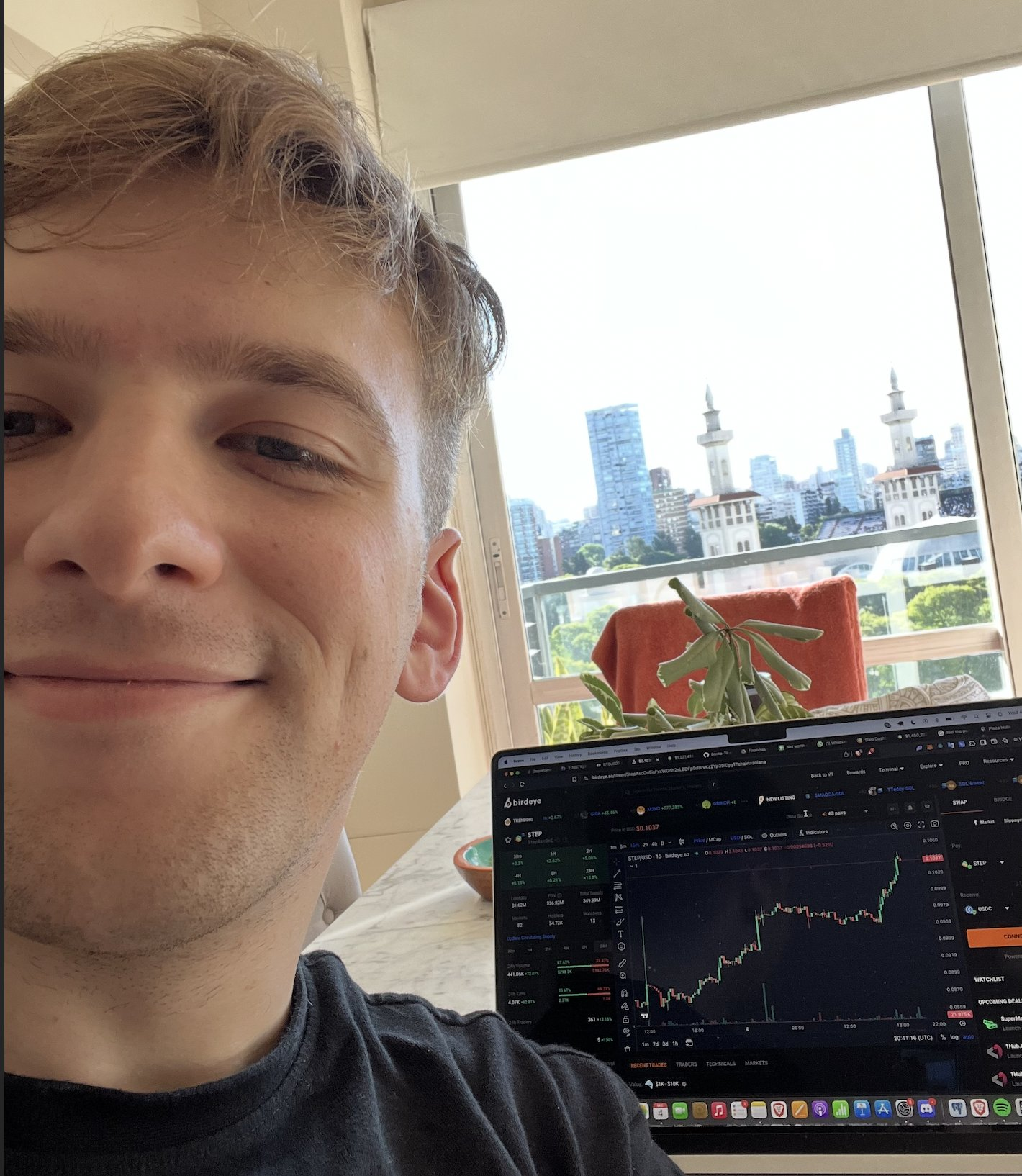
He then broke his own rule against leverage. According to his account, a leveraged SOL long opened near $230 was closed near $140, costing him at least $250,000. Later, he said, a $30,000 leveraged Raydium position was liquidated while he was away without internet access. He also reported that a subsequent hack took $50 million from Step and forced it to close; those figures and consequences are presented here as his claims, not independently established facts. He said his account eventually fell from $120,000 to below $20,000.
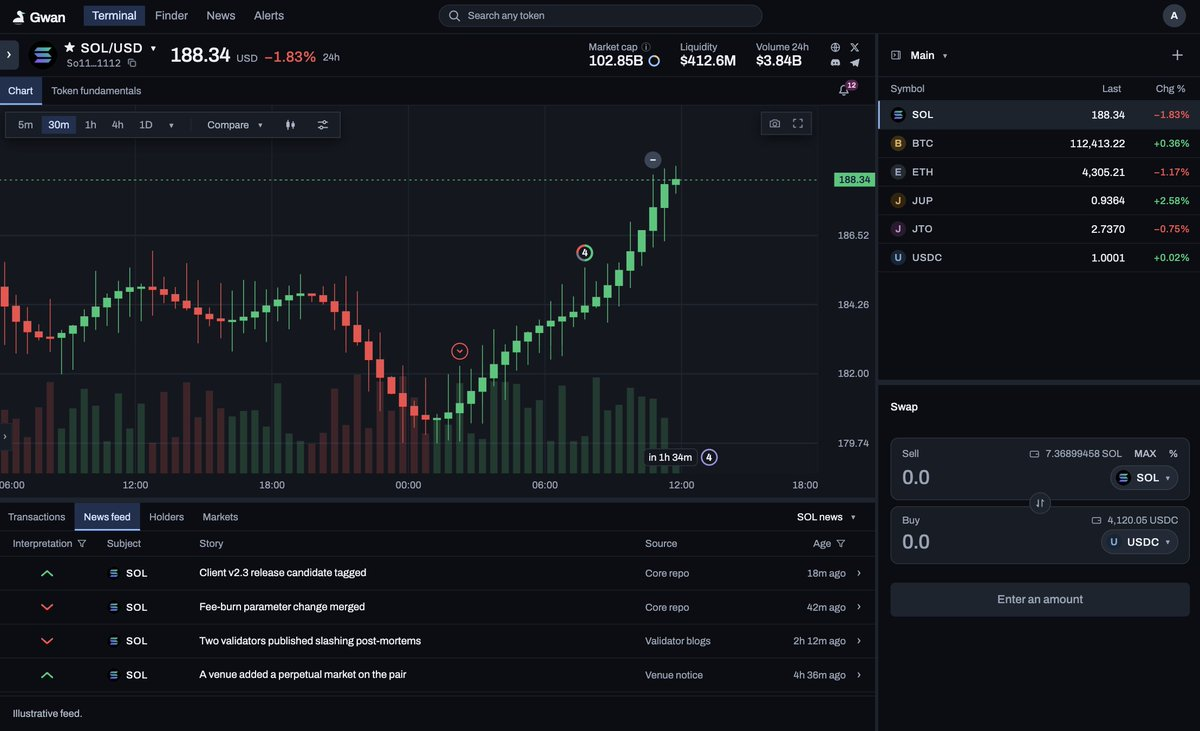
The developer wrote that he had experienced suicidal thoughts during the losses. He said he had begun building GwanTrade to help investors make decisions using facts and fundamentals, while acknowledging that a return to full-time work might slow the project or prevent its release. His account offers no evidence that the project can prevent losses. What it does show, in his telling, is how work, friendships and community participation can make a concentrated token position feel harder to leave—even to someone who once set a firm rule against taking on more risk.