“Not your keys, not your coins” is a statement of control as much as a security rule. In a report published on November 11, 2026, PANews described how physical threats and custody concerns were prompting some large Bitcoin holders to reconsider what control is worth—and what risks they take on by keeping it.
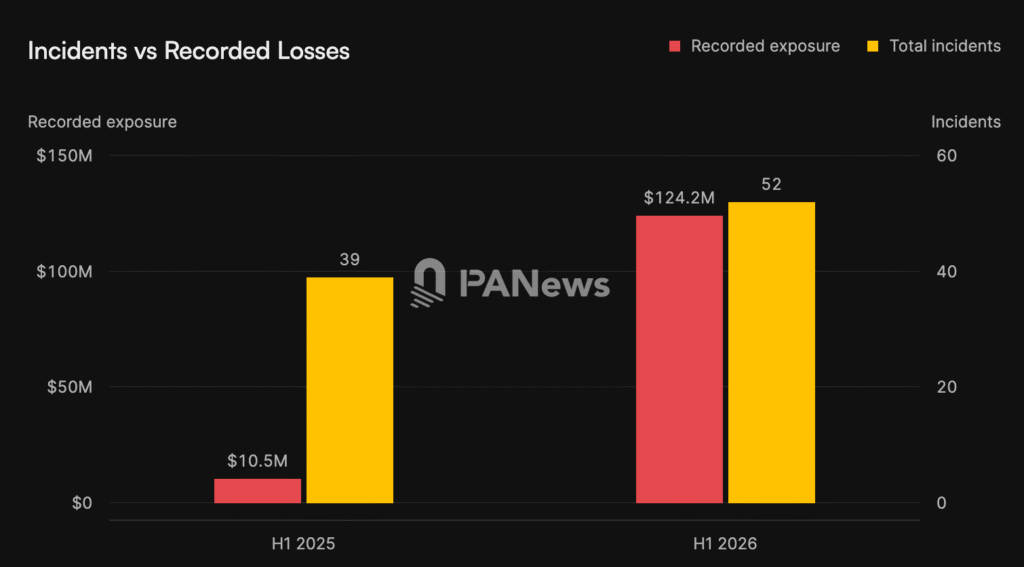
The report cited CertiK figures recording 52 violent attacks against crypto holders worldwide in the first half of 2026, up 33.3% year over year. CertiK put the recorded funds exposed in those incidents at about $124.1 million, versus $10.5 million a year earlier; 33 of the incidents were in France. These figures describe recorded cases, not every threat a holder might face.
PANews also pointed to reported hardware-wallet supply-chain incidents and exchange security events. Those concerns differ from an attack on Bitcoin itself: a holder can lose assets through a compromised device, custodian or physical coercion without the network’s cryptography being broken.
BlackRock digital-assets head Robbie Mitchnick said security and peace of mind were leading reasons clients gave for converting directly held Bitcoin into shares of its IBIT ETF. According to Mitchnick, BlackRock had recorded roughly $3.6 billion in such in-kind conversions since regulators approved the process the previous year; he said the total could be higher because BlackRock does not handle or see every conversion. He also said the minimum for an IBIT in-kind conversion had fallen from around $30 million to roughly $1 million–$2 million. That remains a threshold for large holders, not a general option for every wallet owner.
The shift remains contested. Self-custody advocates cited by PANews argue that handing custody to financial institutions gives up the independent control behind Bitcoin’s founding appeal and can reintroduce risks such as freezes. Institutional custody, meanwhile, does not eliminate concentration risk: PANews reported Coinbase’s disclosure that it held about 90% of the Bitcoin ETF custody market. OneKey founder Yishi warned about reliance on a single custodian and raised concerns about potential attacks; those are his risk assessments, not reports of an attack on IBIT.
An ETF share can be traded, but it is not the same as Bitcoin a holder can immediately transfer from their own wallet. The argument around “not your keys” is therefore not settled by a claim that one arrangement is universally safest. It is a dispute over which forms of control—and which forms of exposure—holders are willing to accept.
Source: panewslab.com (originally published 2026-11-11 16:40 UTC+8)