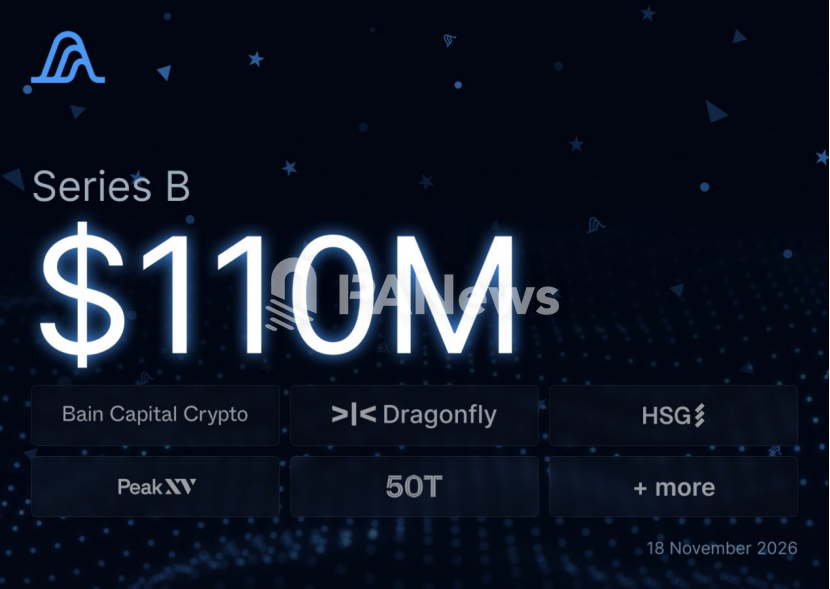
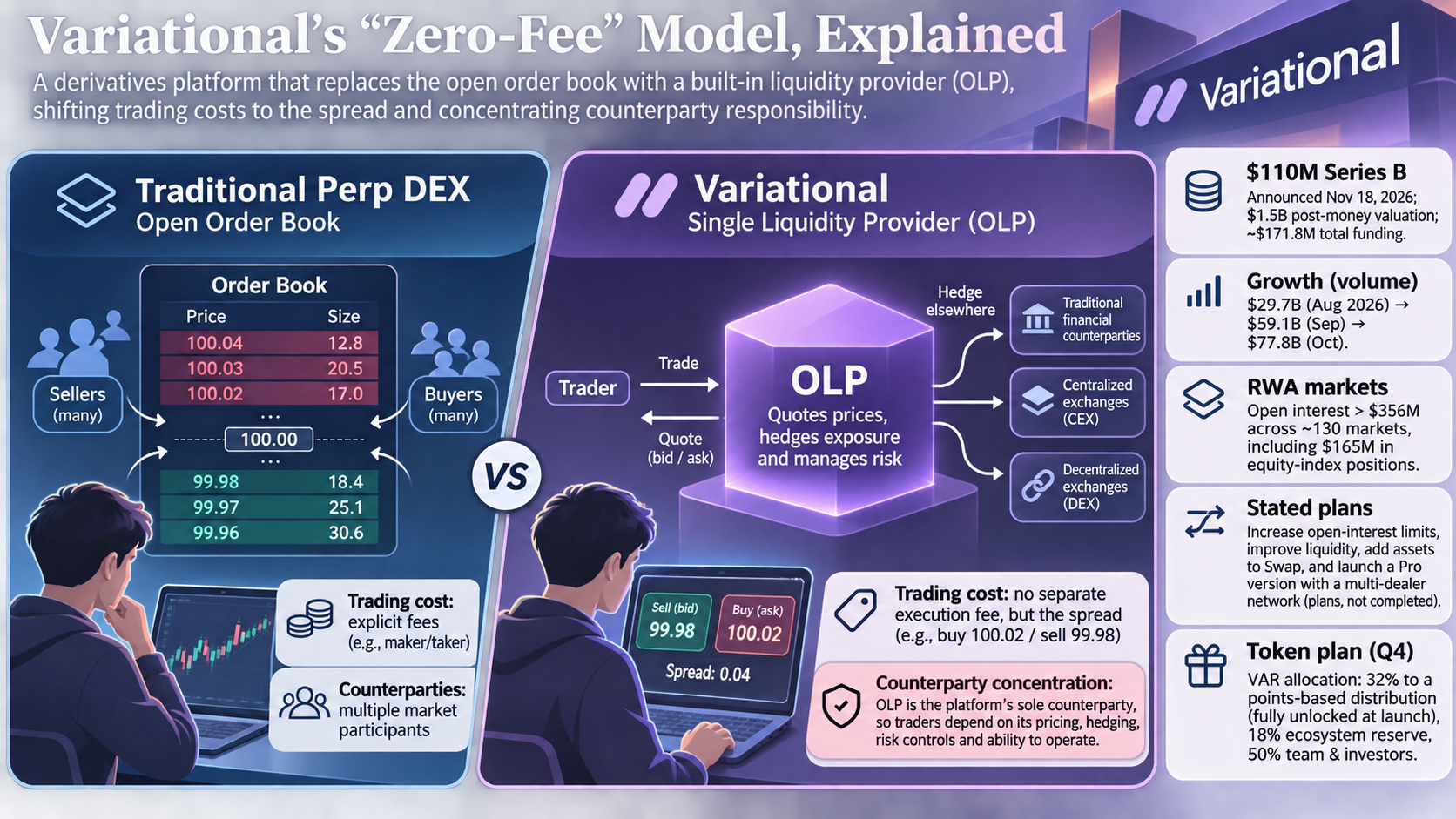
Variational’s $110 million Series B, announced on November 18, 2026, puts a distinctive trading model in focus: its derivatives platform replaces the usual open order book with a built-in liquidity provider. For traders, that makes the promise of “zero trading fees” worth examining closely.
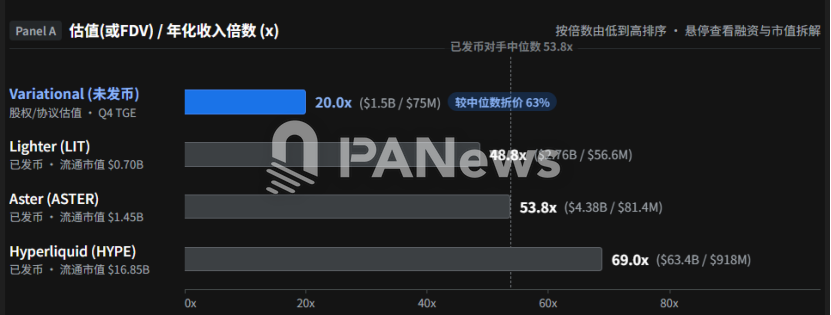
As reported on November 19, 2026, the round valued Variational at $1.5 billion post-money. Bain Capital Crypto led the investment, with Dragonfly, HSG, Peak XV, 50T Funds and Coinbase Ventures participating. Variational had previously raised about $61.8 million, bringing its reported total funding to $171.8 million.
Where the trading cost sits
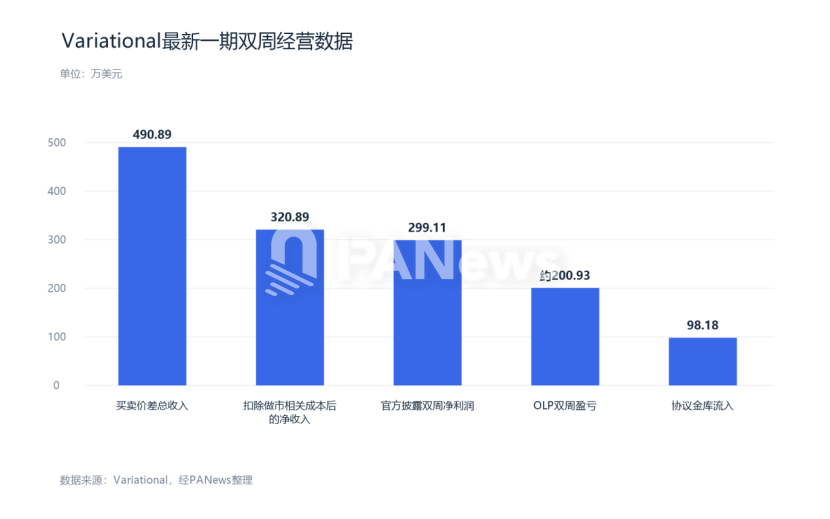
Variational’s Omni Liquidity Provider, or OLP, quotes prices to traders rather than matching their orders against a public order book. A trader may pay no separate execution commission, but the difference between the OLP’s buy and sell quotes—the spread—is still a trading cost. The OLP then seeks to hedge the exposure elsewhere. In operating figures Variational released on November 13, it said net profit amounted to about 61% of gross spread revenue for the reported two-week period.
That structure also concentrates responsibility. Because the OLP is the platform’s sole counterparty, traders depend on its pricing, hedging, risk controls and ability to operate; there is no alternative on-platform market maker to take over if it fails.
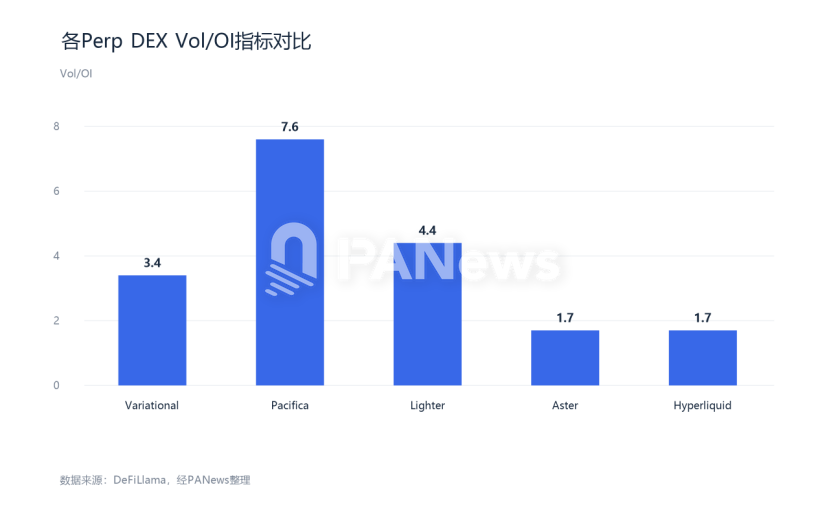
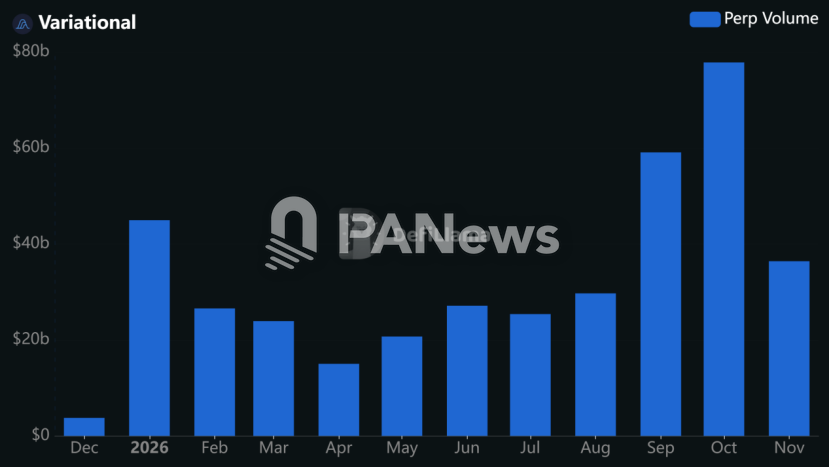
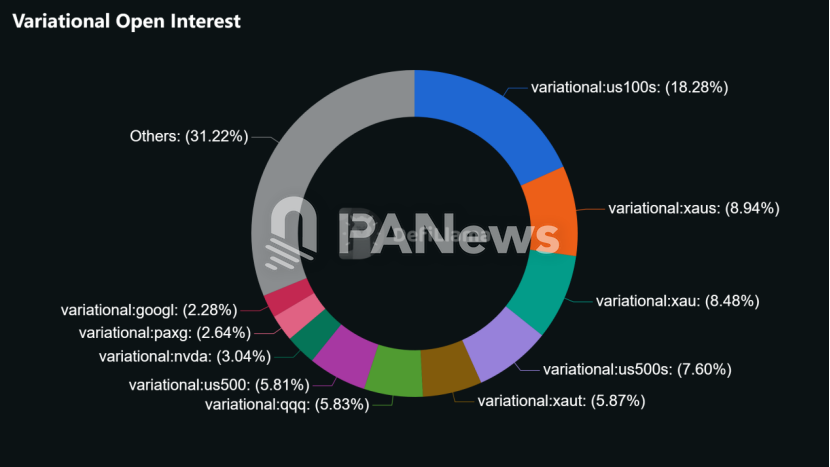
The platform’s reported growth helps explain interest in the model, though volume alone does not establish sustainable demand. DefiLlama figures cited in the original report put Variational’s derivatives volume at $29.7 billion in August 2026, $59.1 billion in September and $77.8 billion in October. The report also put open interest in real-world-asset-linked markets above $356 million across nearly 130 markets, including $165 million in equity-index positions. Its volume-to-open-interest comparison noted that the points program might influence activity.
Capital for a larger derivatives business
Following the raise, co-founder Edward Yu said Variational planned to increase open-interest limits, improve liquidity and add assets to its Swap business. He also described plans for a Pro version with a multi-dealer network supporting peer-to-peer-settled derivatives. These are stated plans, not completed expansions.
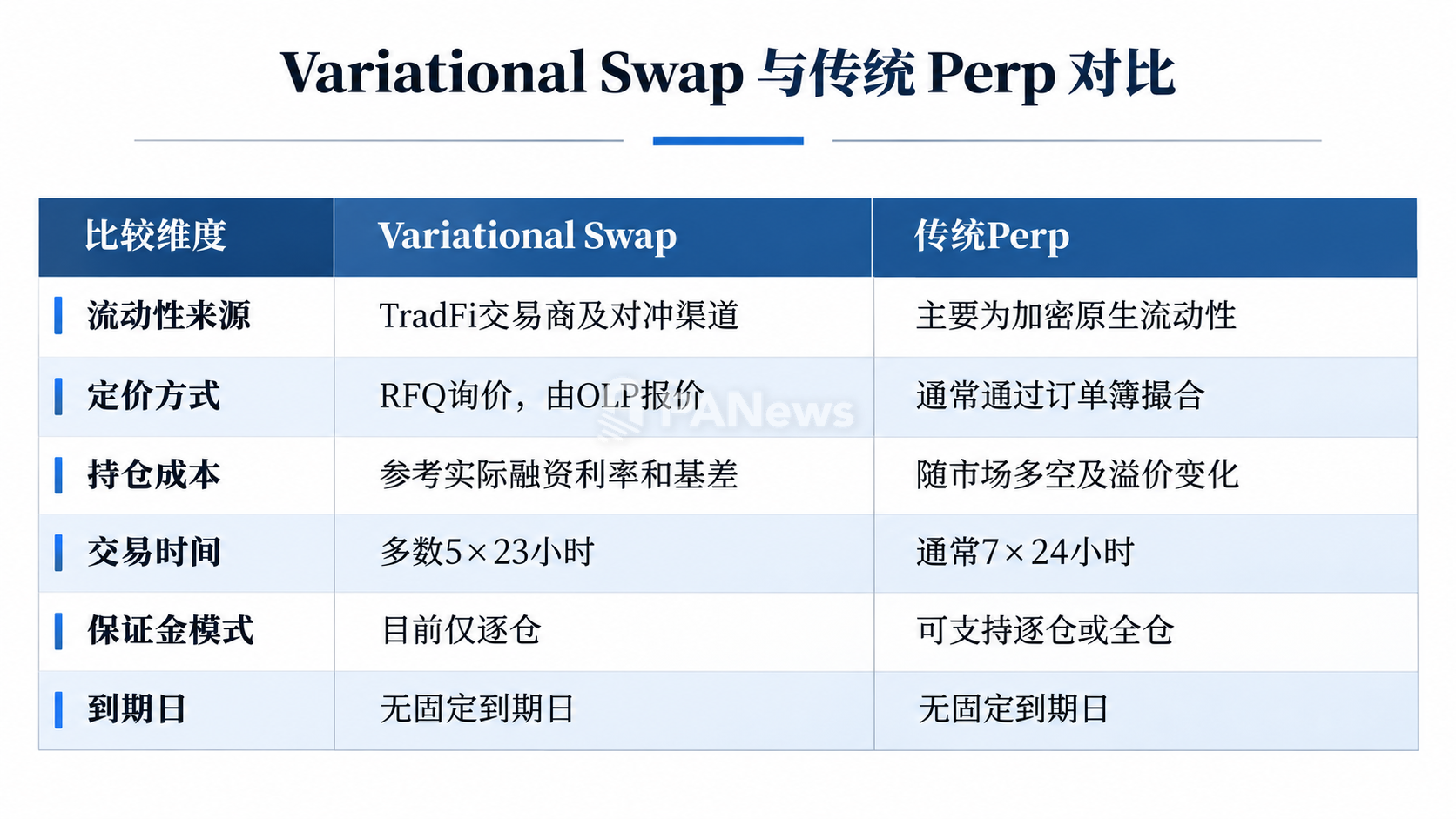
Here, “Swap” does not mean a spot-token exchange. It refers to a USDC-settled derivative offering price exposure without ownership of the underlying asset. The model is capital-intensive: the OLP needs collateral on-chain and margin with traditional financial counterparties. The report said Variational had arranged more than $1 billion in institutional credit capacity by September 2026, while initially setting an open-interest limit of about $10 million per Swap market to manage risk.
Token expectations remain speculative
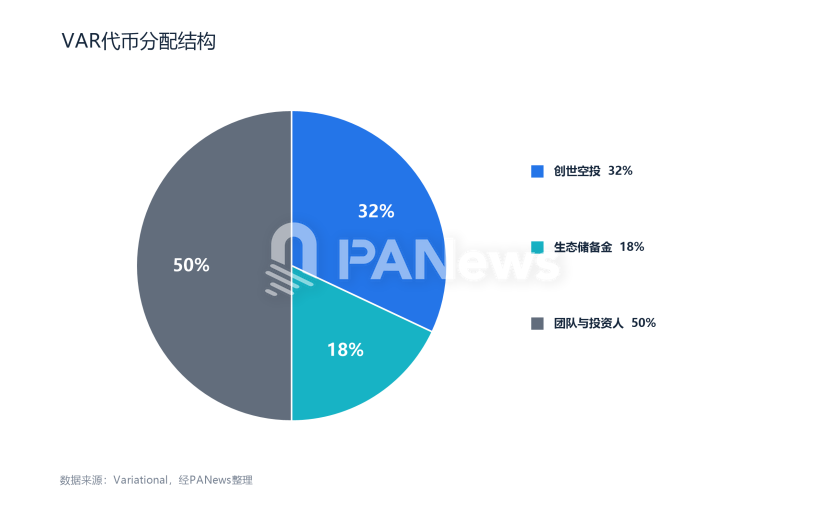
Variational’s September 2026 token plan placed a VAR token-generation event in the fourth quarter. It allocated 32% of supply to a points-based distribution, fully unlocked at launch; 18% to an ecosystem reserve; and 50% to the team and investors.
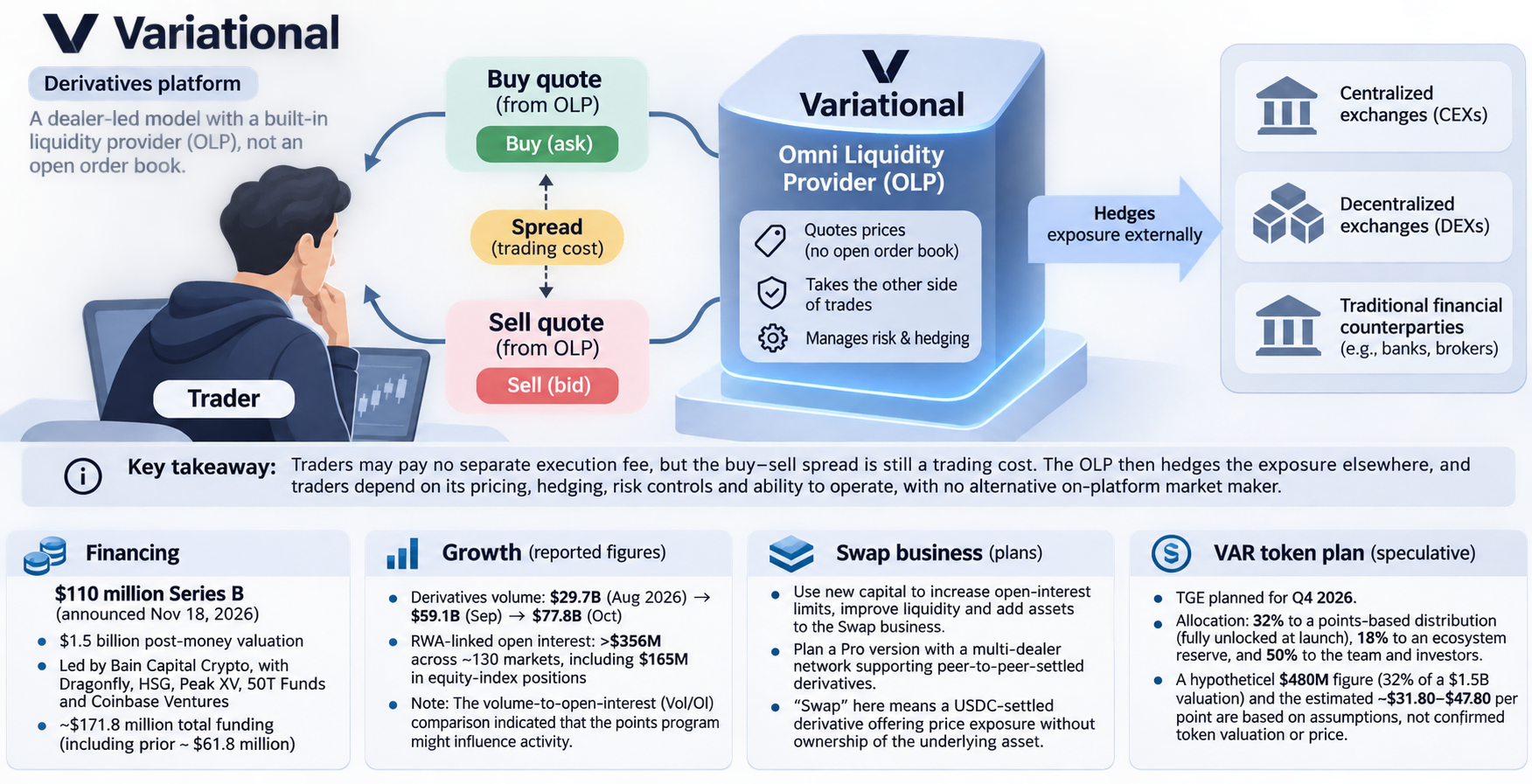
Applying the company’s $1.5 billion fundraising valuation to that 32% allocation produces a hypothetical $480 million figure. It is not a confirmed token valuation or a forecast of actual selling. Likewise, the original report’s estimate of roughly $31.80–$47.80 per point depends on assumed token valuations of $1 billion–$1.5 billion and an estimated 10.05 million-point pool. Neither the token price nor participants’ eventual proceeds were established at the November 19 reporting date.
The financing gives Variational resources to pursue its expansion plans. Whether its dealer-led design can scale while keeping trading costs and counterparty risk manageable remains an open question.