A sector-leading protocol and a sector-leading token are not the same thing. In an analysis published on November 17, 2026, Castle Labs examined why crypto protocols with substantial fees or market share had not necessarily delivered strong token performance. Its central distinction is between money a product earns, value that actually reaches token holders, and the future growth investors are willing to price in.
Concentrated fees, uneven token returns
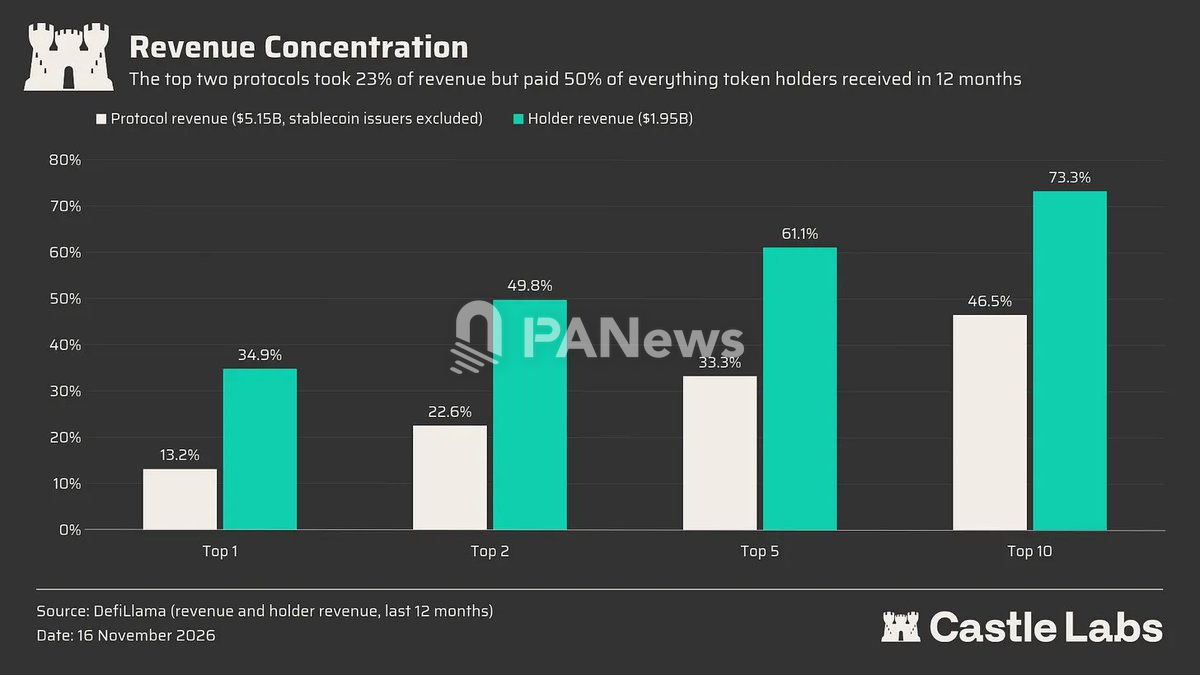
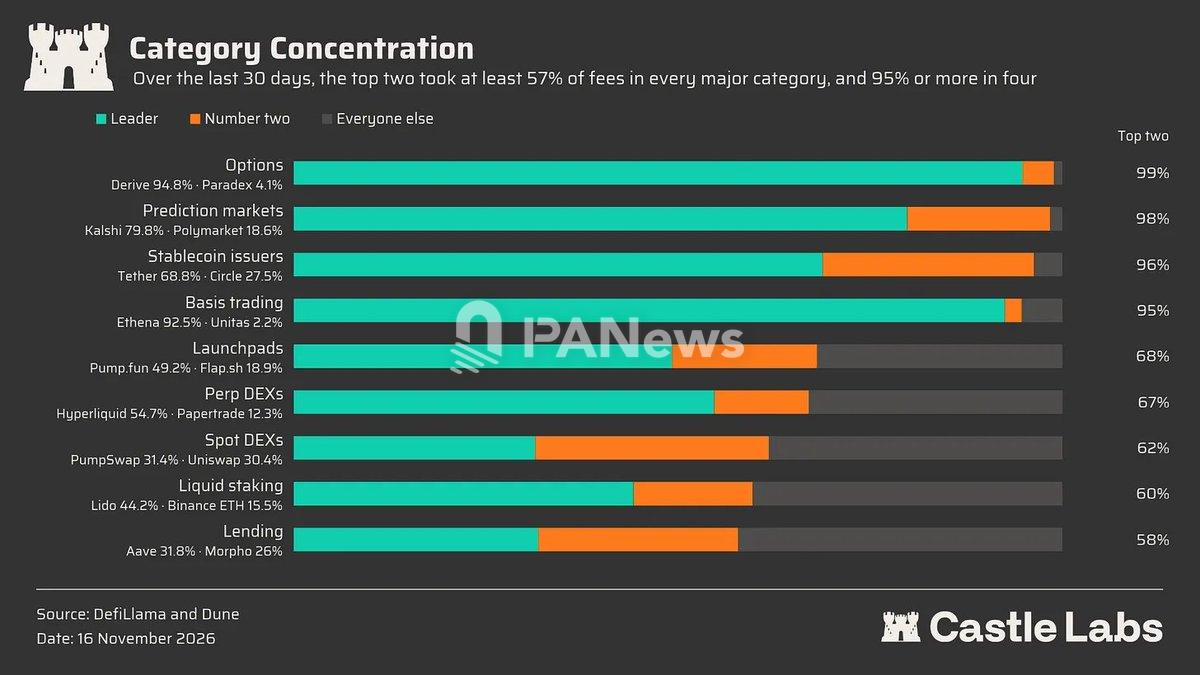
Castle Labs calculated that, excluding stablecoin issuers, the ten highest-earning protocols collected 47% of protocol revenue over the preceding 12 months and accounted for 73% of distributions to token holders. It put industry-wide protocol fees at $13.7 billion over that period. In the sectors it examined, the top two protocols generally took at least 52% of fees; in some sectors, including prediction markets and options, their share exceeded 90%.
That concentration does not guarantee a durable lead. Traders can move between spot decentralized exchanges in search of lower costs or better execution, while launchpad activity can rise and fall with speculative cycles. Nor does a dominant business always offer a corresponding token to buy: the analysis points to Circle as a stablecoin example whose publicly traded instrument was stock, not a protocol token.
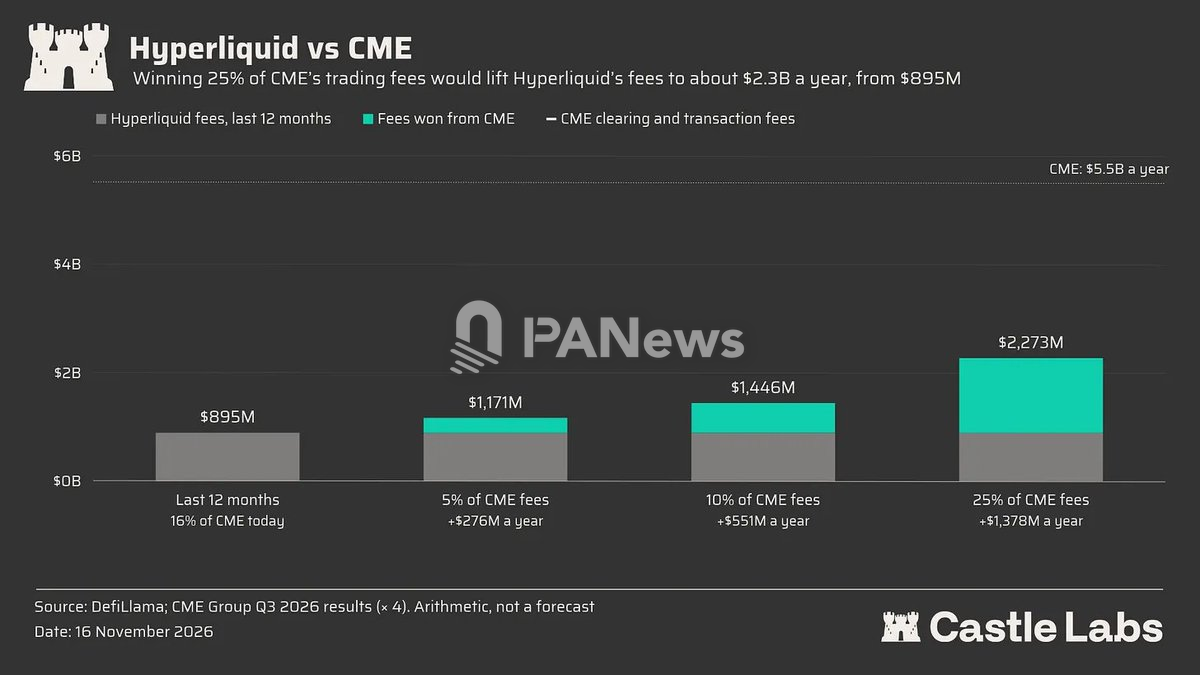
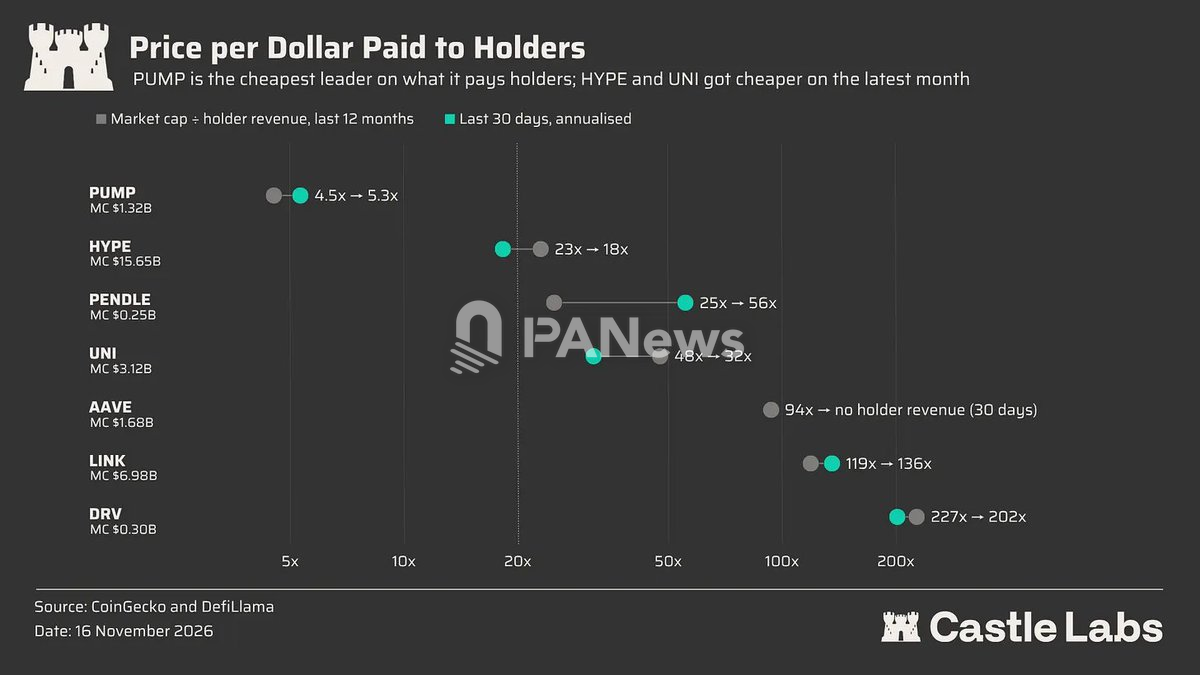
Even where a token exists, protocol revenue is not token-holder revenue. Castle Labs compared token market capitalization with the previous 12 months of distributions to holders. That ratio can show how much investors are paying relative to past distributions, but it cannot, on its own, establish that a token is cheap or predict its return.
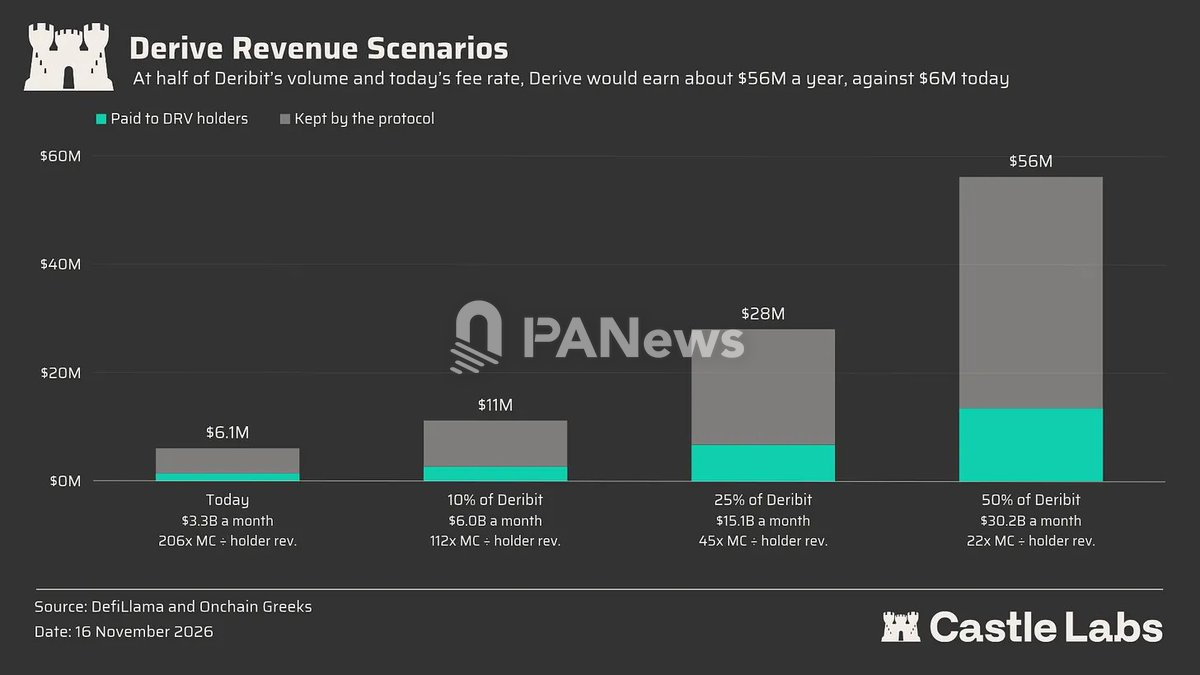
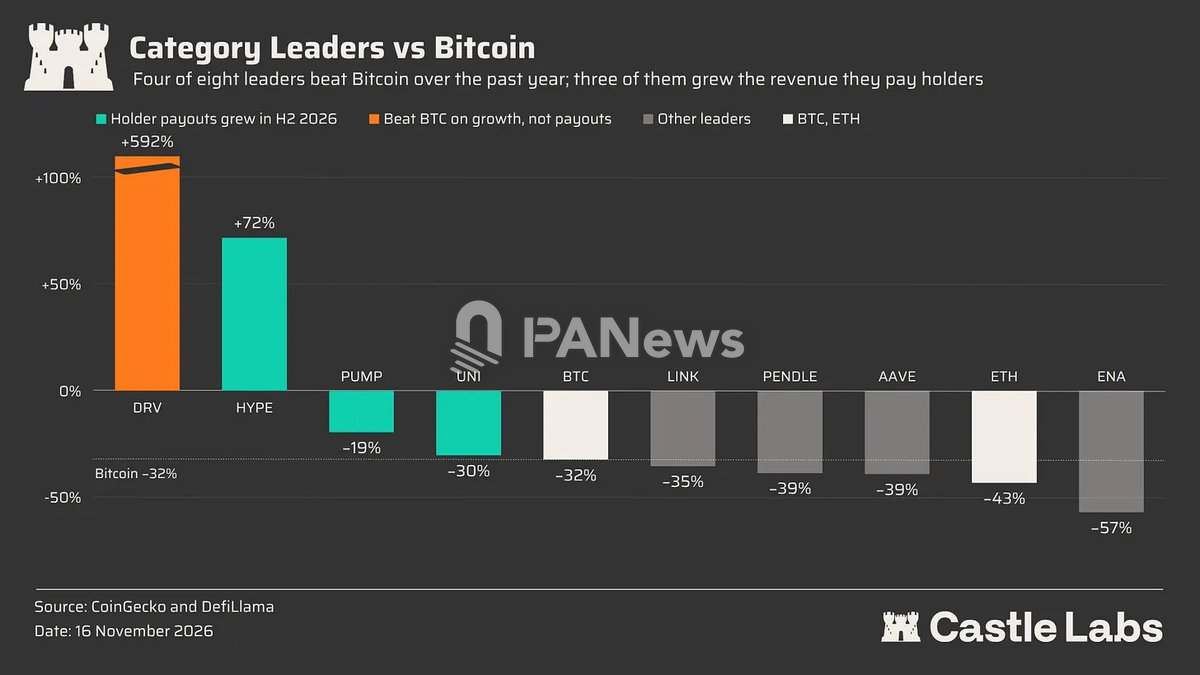
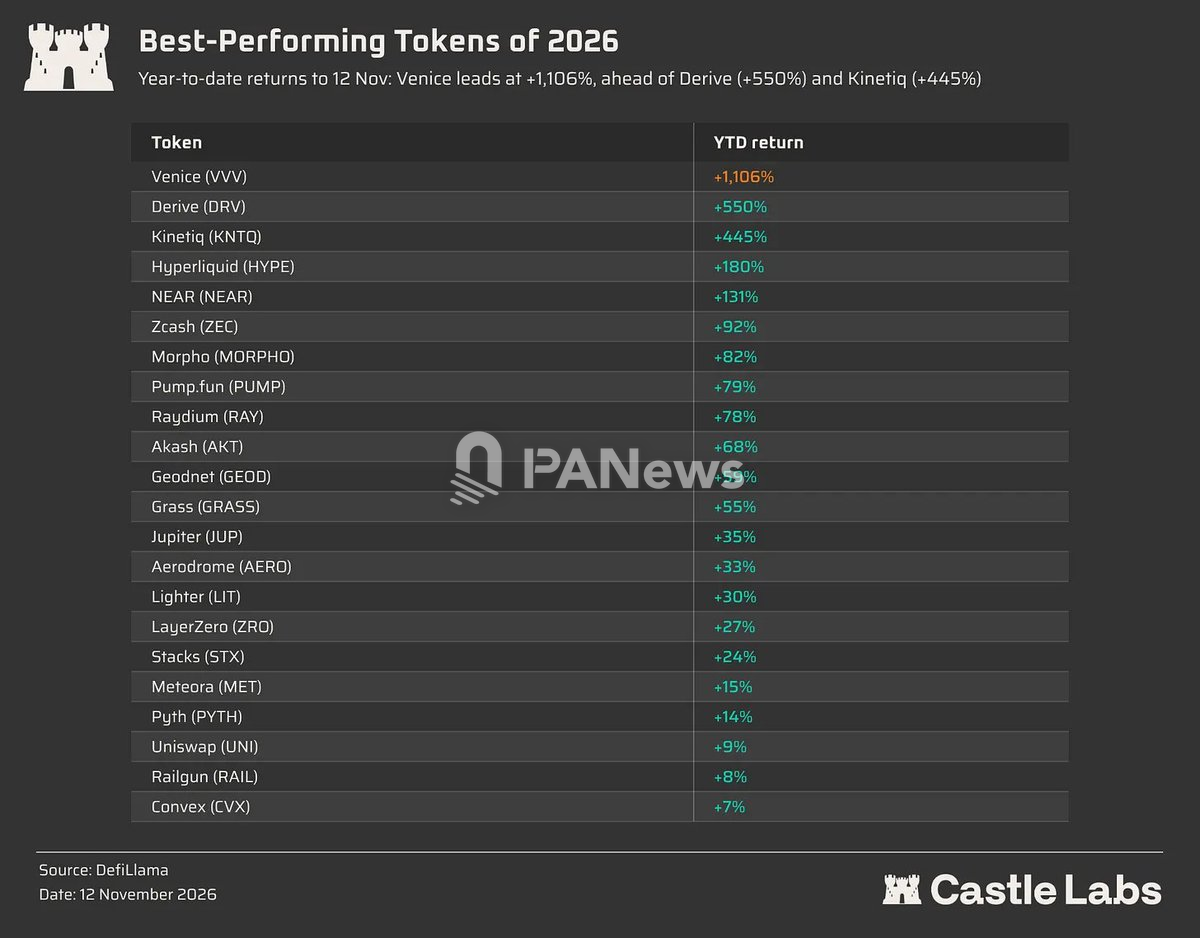
The contrasts in the analysis are instructive. Castle Labs reported that Derive’s token rose 592% despite roughly $1.3 million distributed to holders over the prior year; it interpreted the gap as a bet on future on-chain options growth, not current payouts. It described Pump as having substantial cash flow returned to its token, while arguing that criticism of its memecoin-launchpad model and uncertainty over an outstanding user airdrop weighed on sentiment. Those are the authors’ explanations for market behavior, not proof of what every buyer believed.
The story behind the valuation
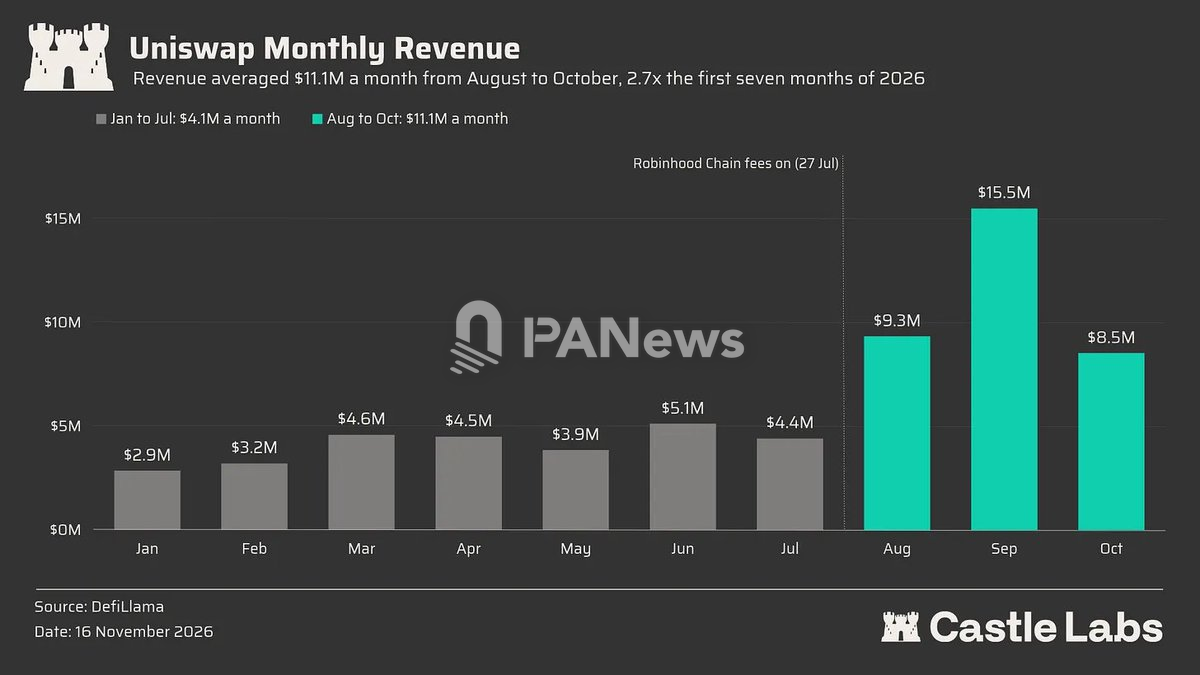
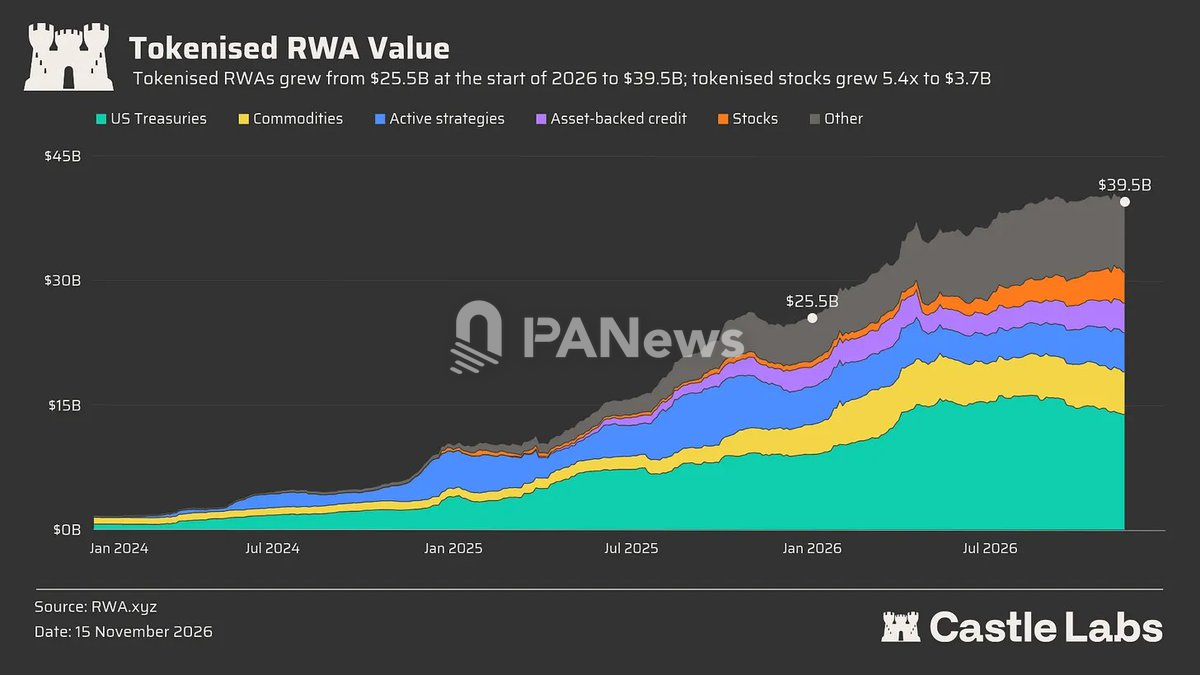
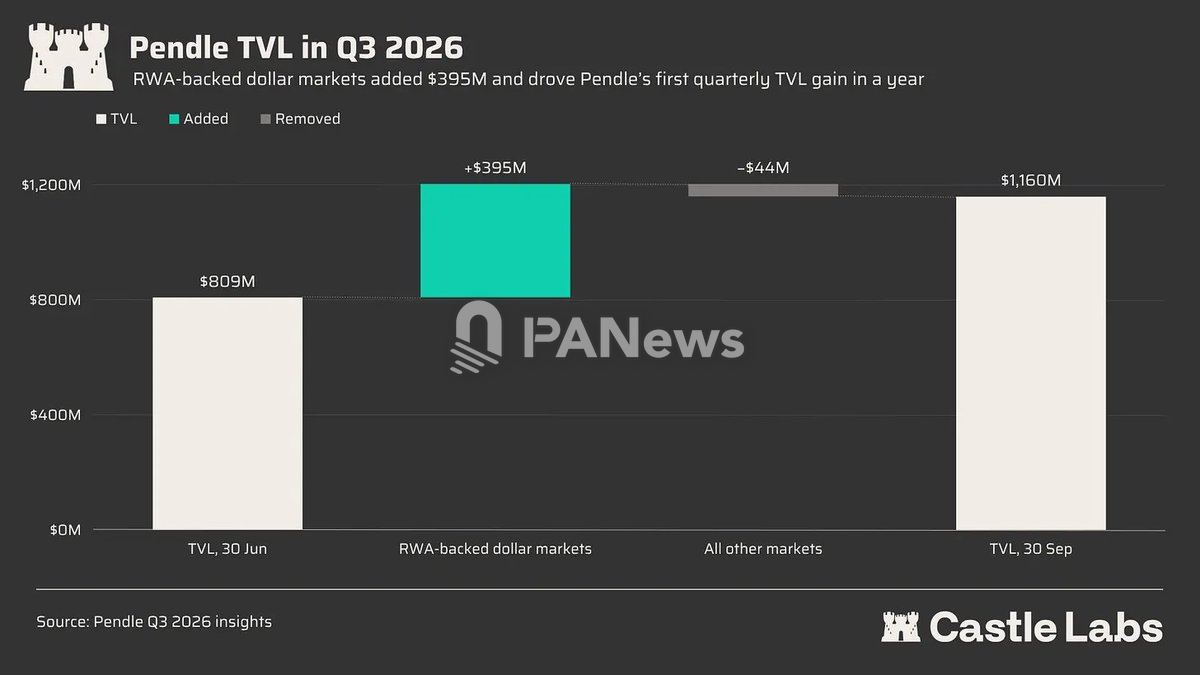
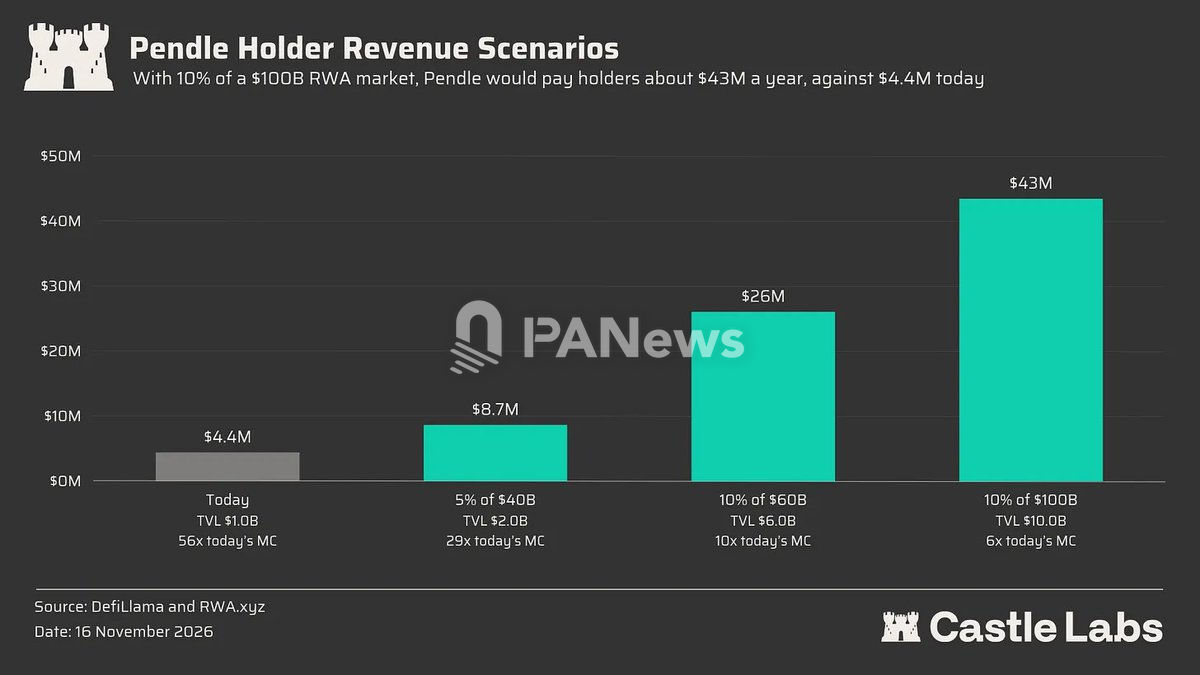
The analysis presents tokenized real-world assets, or RWA, as one possible growth story for established DeFi products. It cites Uniswap’s trading activity and its V4 Hooks, which can support permissioned liquidity pools, as reasons the exchange might be relevant to assets with transfer restrictions. It also reports that RWA-linked yield pools made up 82% of Pendle’s total value locked at the end of the third quarter of 2026. Neither observation establishes how much future RWA activity those protocols will capture or pass through to token holders.
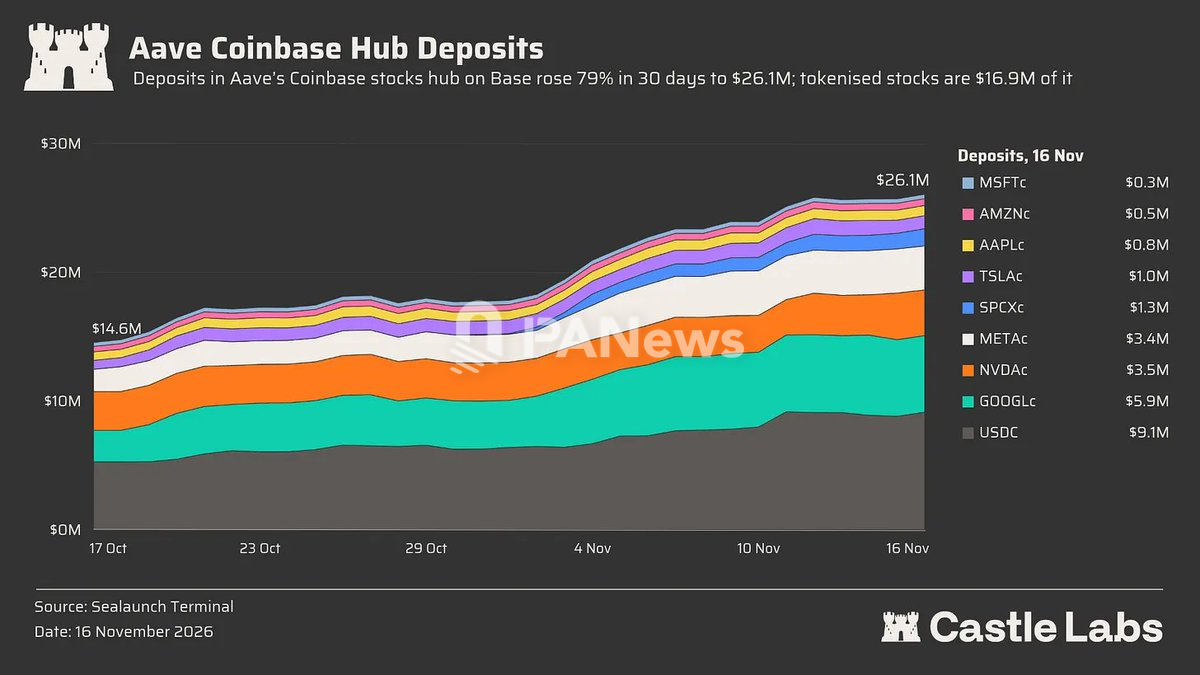
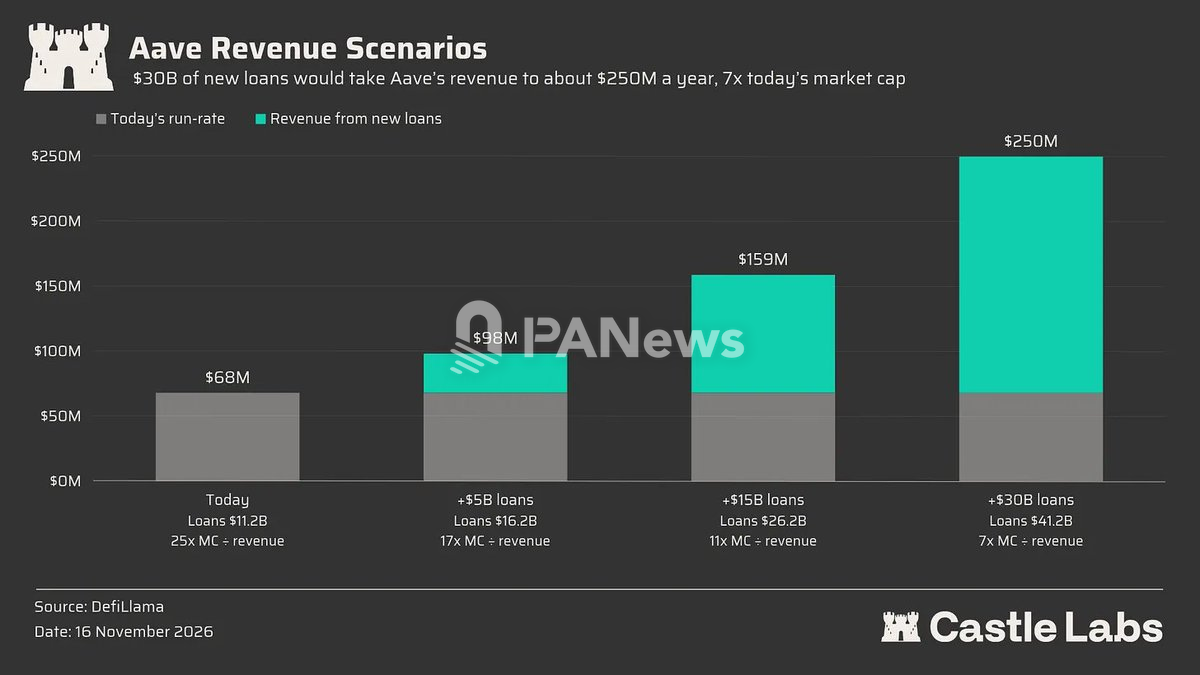
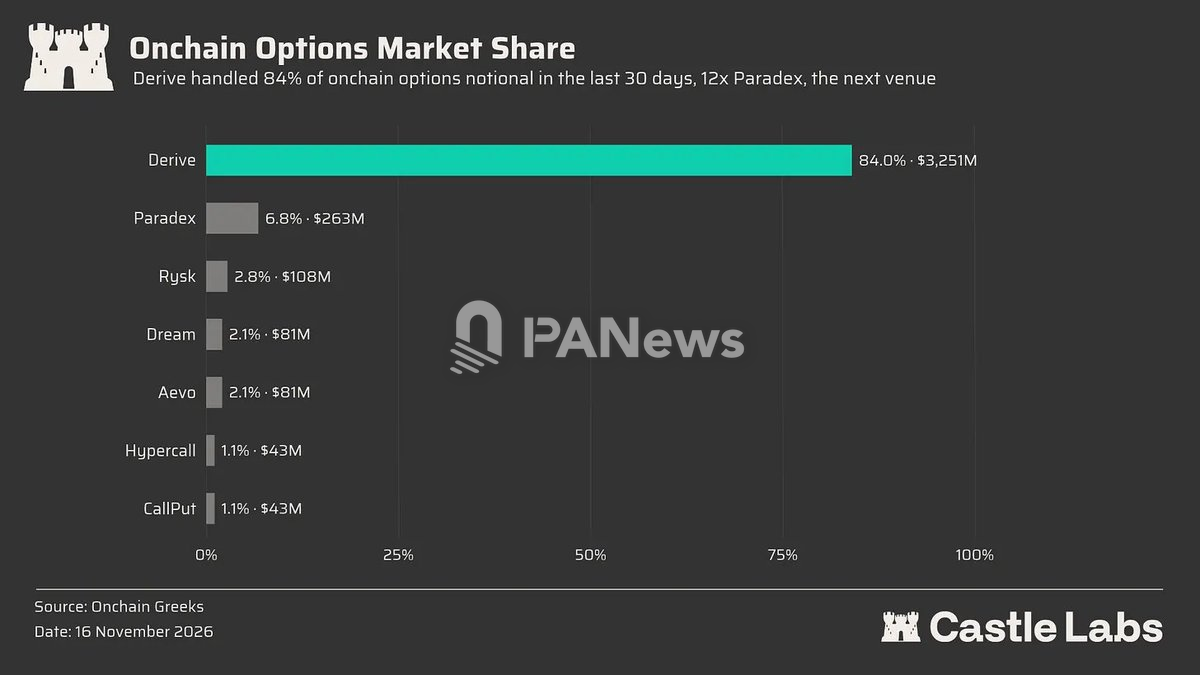
For options, Castle Labs reported that Derive held about 73% of on-chain options volume and 93% of open interest over the preceding 30 days. Its comparison with the much larger offshore venue Deribit illustrates the market the authors hoped Derive could address. Any future share gain or resulting fees remain a scenario, not an outcome.
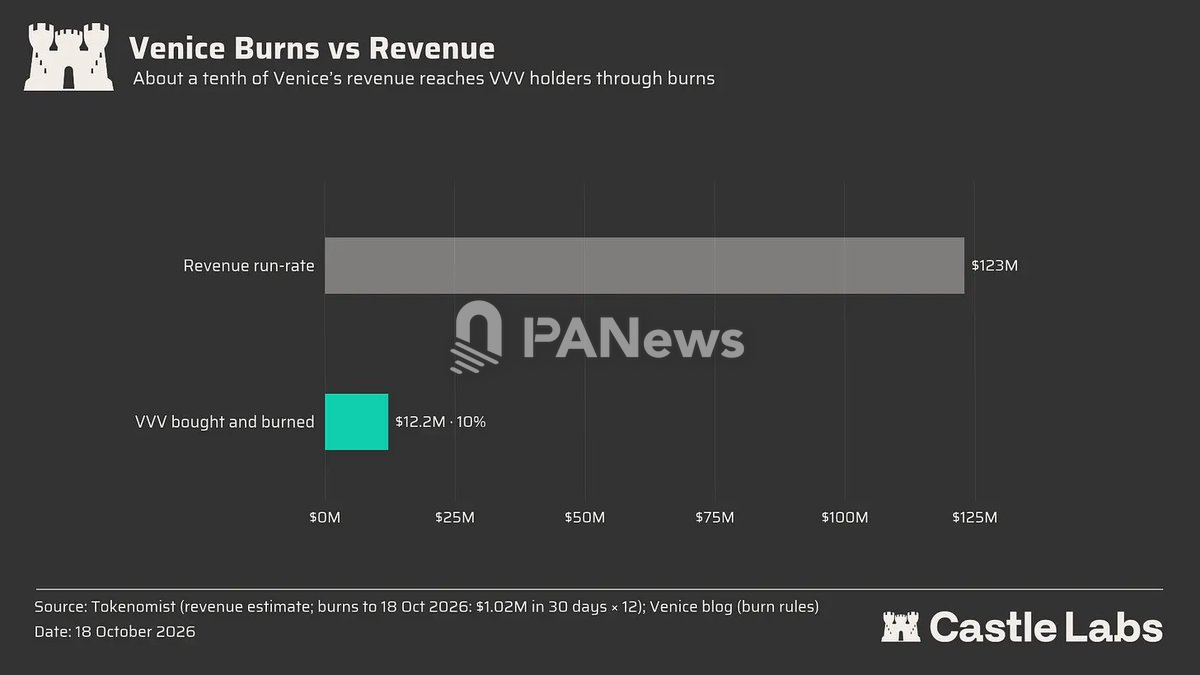
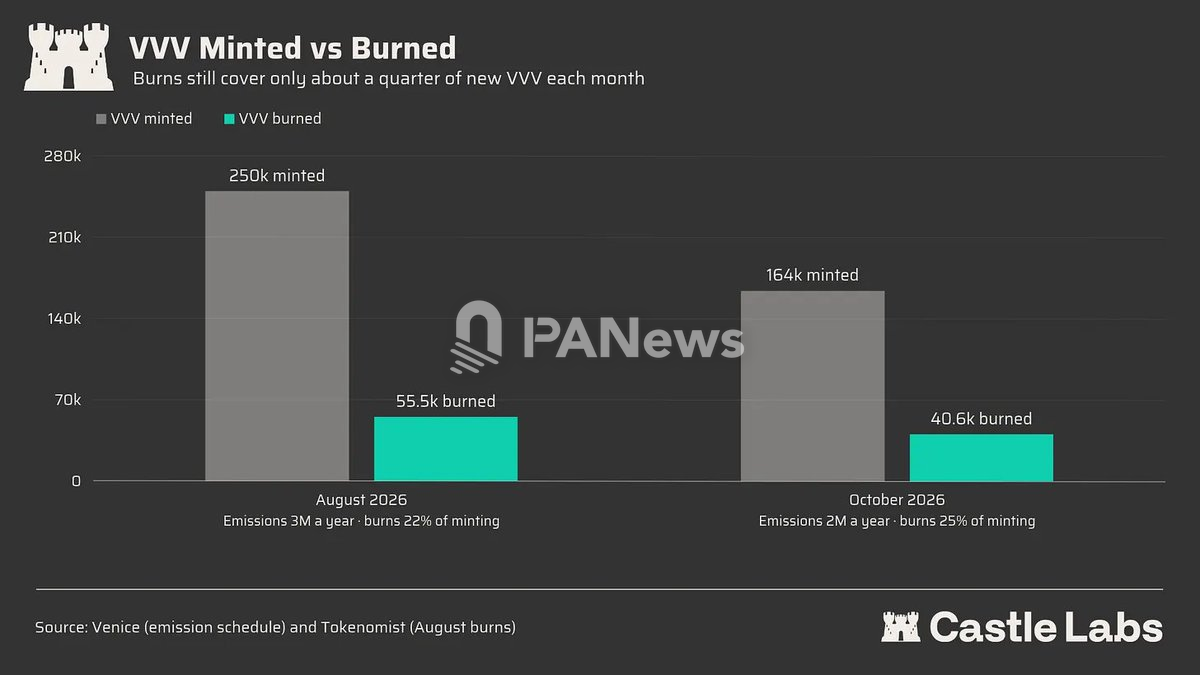
The same distinction matters for newer narratives. Castle Labs reported annualized revenue of $123 million for privacy-focused AI service Venice, but noted that company equity and the VVV token do not have identical claims on that business. It said Venice had burned $1.02 million worth of tokens in the preceding 30 days, while annual token issuance still exceeded the amount implied by that burn rate.
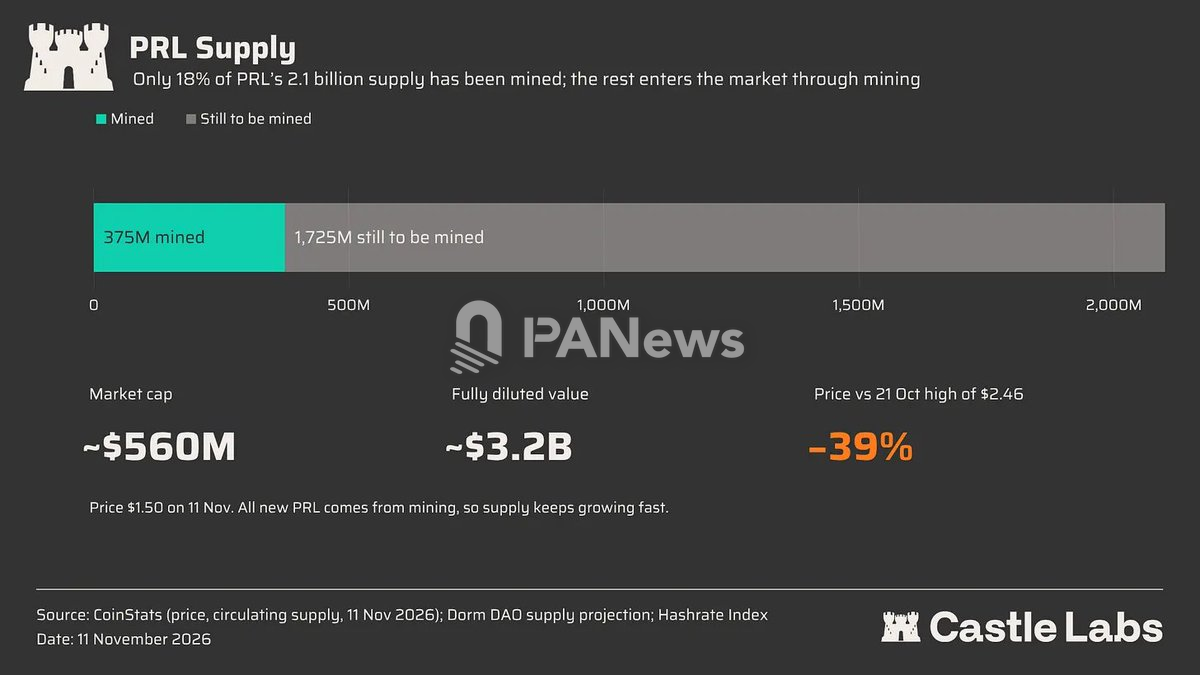
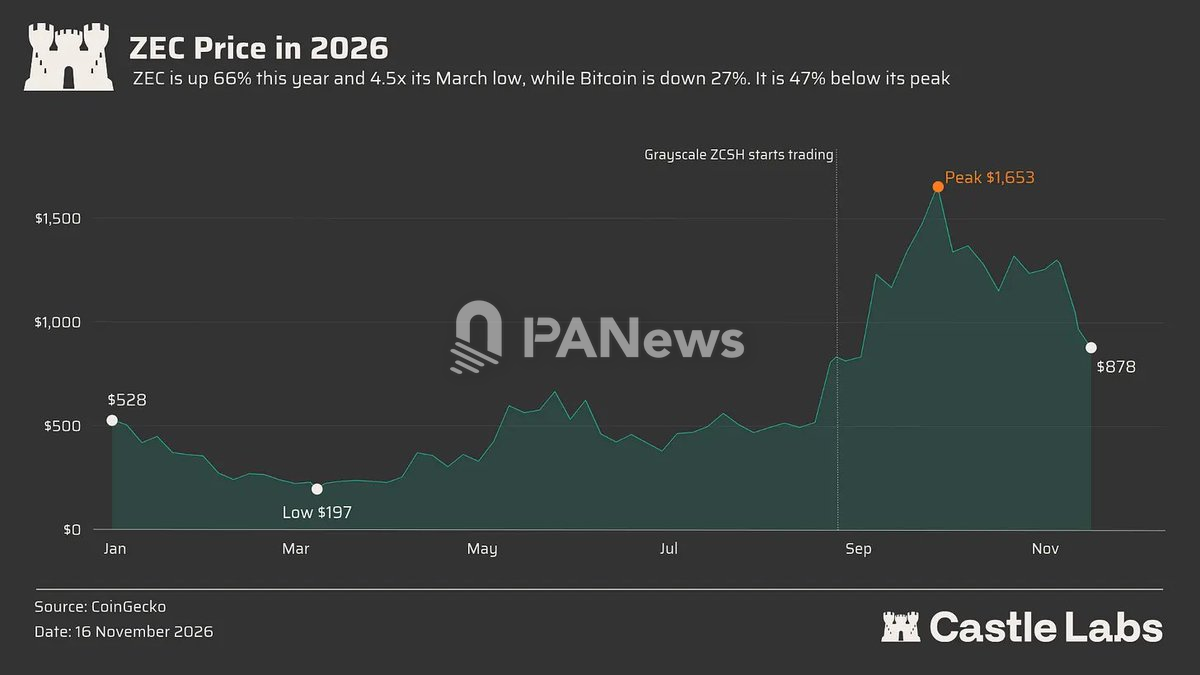
Pearl’s proposed appeal was different: a network using GPU matrix multiplication as its “useful proof-of-work” mechanism. Yet the analysis acknowledged that most miner-provided computation was not being sold to external customers and identified Together AI as its sole partner at the time. For Zcash, it emphasized the privacy and store-of-value narrative despite low protocol fees, reporting that the share of ZEC held in shielded form had risen from 8% to 29.2% over three years. Its claims about ETF inflows and the political drivers of Zcash demand are the authors’ account and interpretation, not a demonstrated causal link.
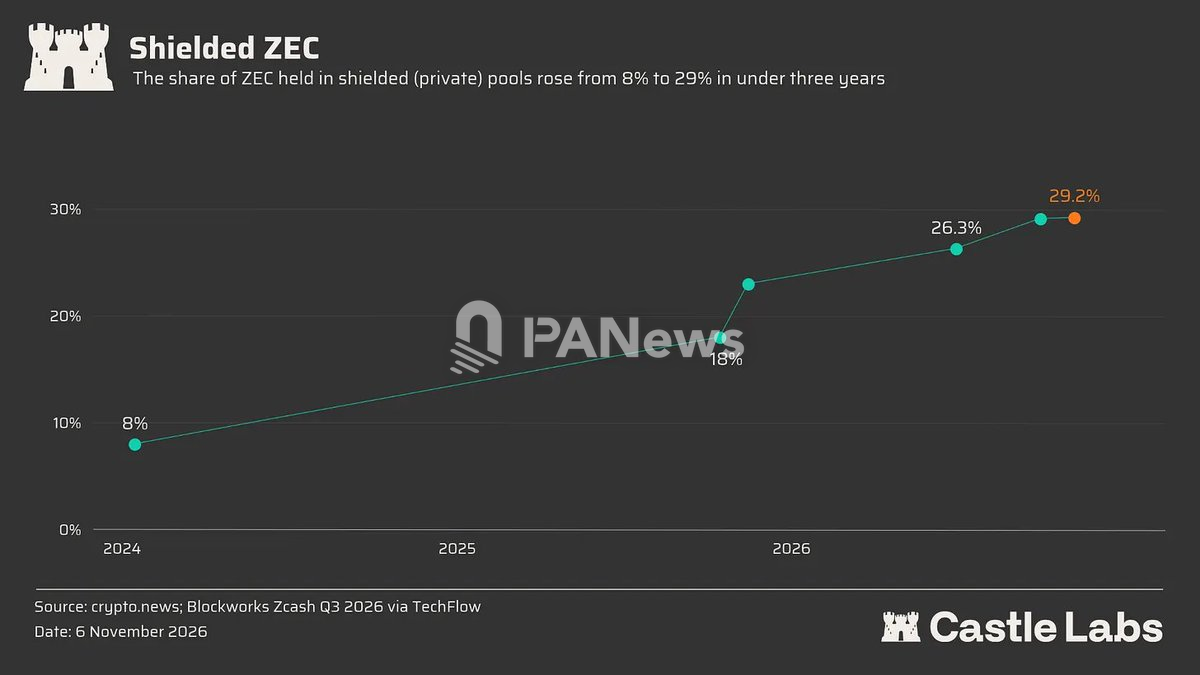
The cultural force of these labels—“RWA,” “AI money” and “privacy money”—is that they give investors a way to imagine a larger future market. Castle Labs’ examples also expose their limit: a compelling story does not settle whether customers will arrive, revenue will persist, or token holders will receive a meaningful share.