
A reference to “seppuku” in the Ethereum Foundation’s mission statement became a flashpoint over how the organization treats dissent. As reported on November 10, 2026, former employee Nixo had filed a lawsuit in a Colorado federal court on November 4, alleging discrimination, retaliation and violations of medical-leave rights. The claims have not been established by the court.
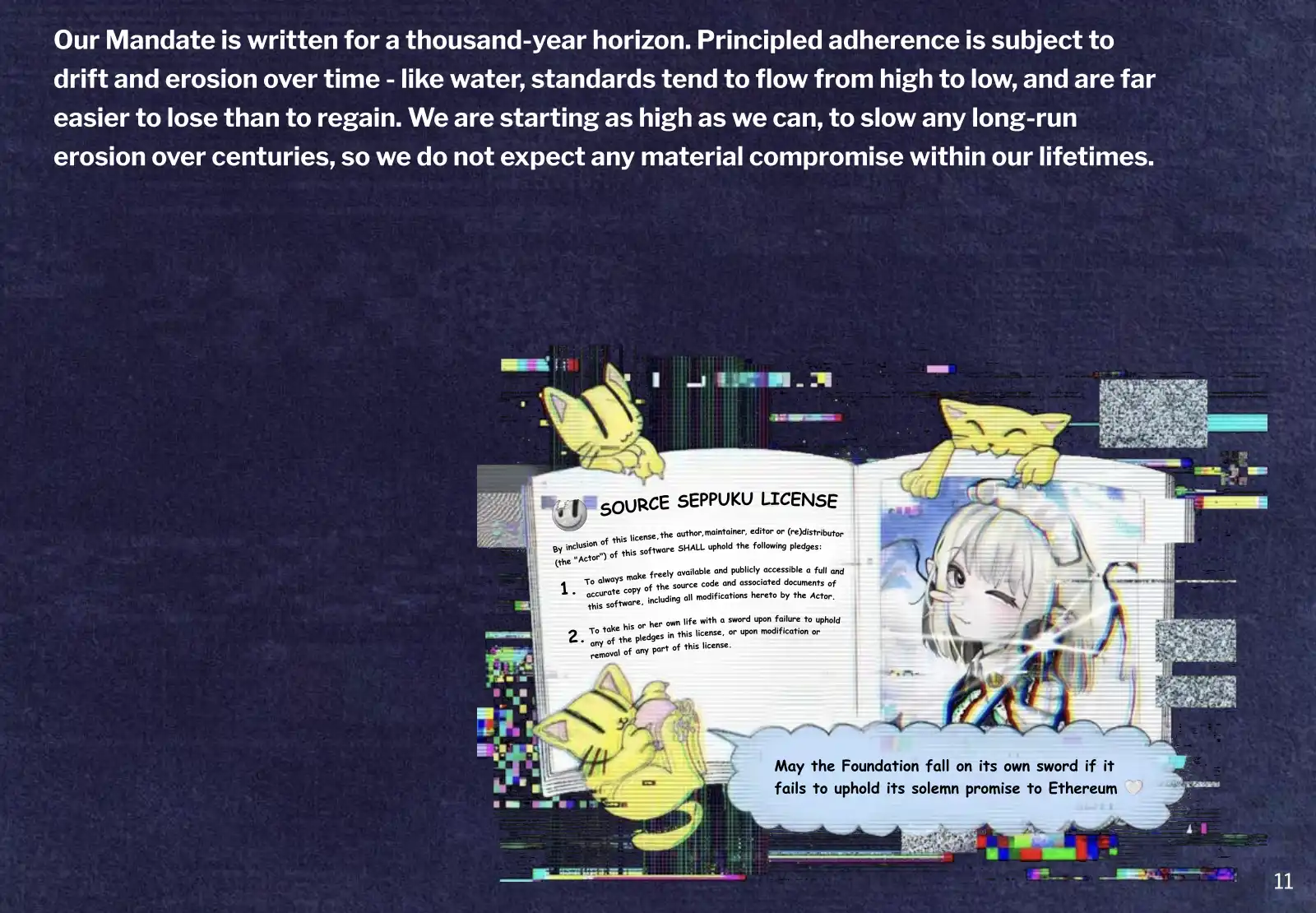
The disputed passage appeared in The Ethereum Foundation Mandate, a document setting out commitments to censorship resistance, open source, privacy and security. An illustrated “Source Seppuku License” linked failure to uphold those commitments to taking one’s life with a sword. Foundation management described the language as an artistic and cultural reference, not a literal obligation; an employee acknowledgment was later amended to make that distinction explicit.
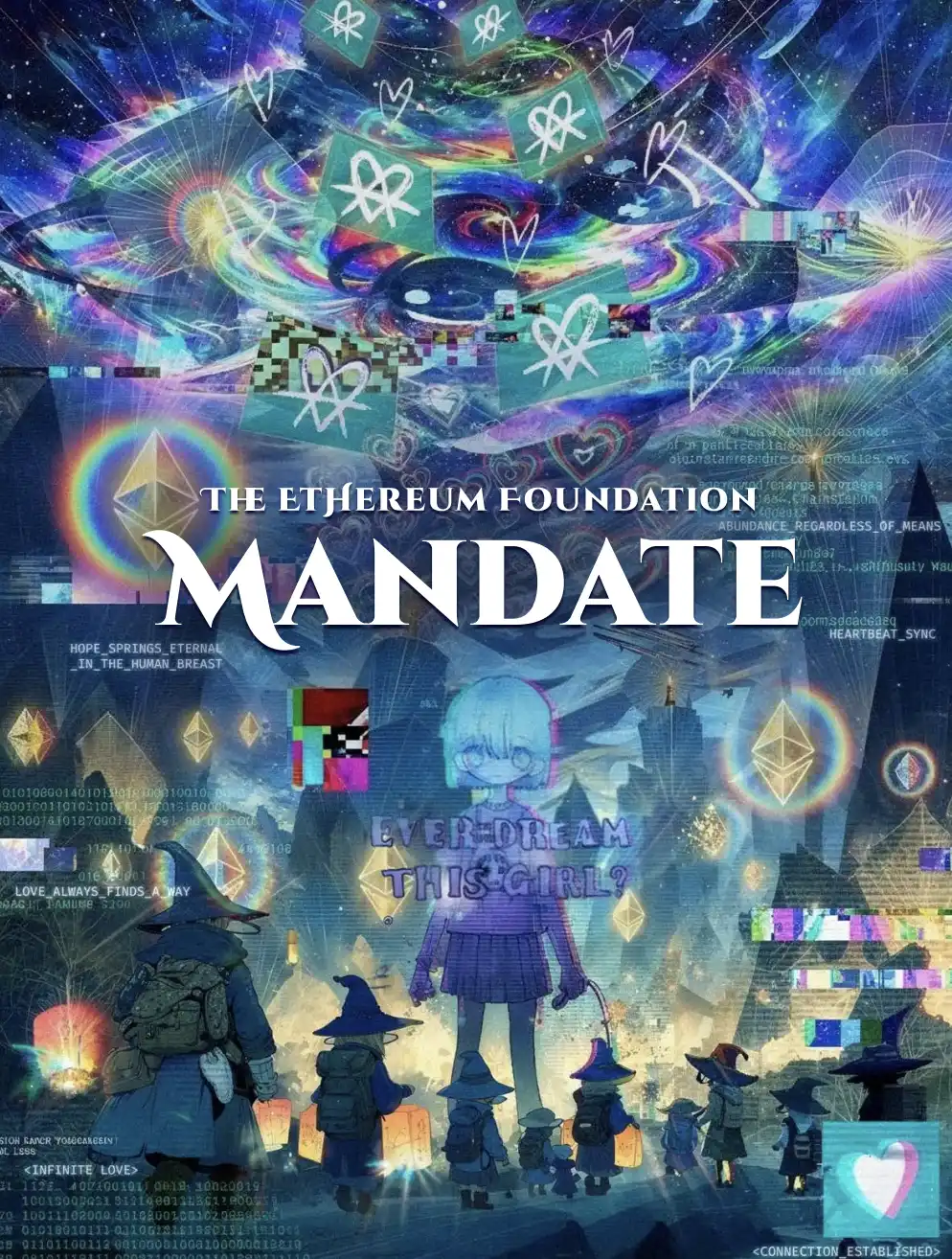
The reference drew on Milady, a 2021 anime-style NFT collection from Remilia whose surrounding culture embraces provocative jokes and opposition to moral censorship. Vitalik Buterin had previously used a Milady avatar. But the lawsuit describes a different response inside the Foundation: after staff received a draft in late February, 79 employees voted to remove the passage. According to the complaint, one employee mentioned having lost a colleague to suicide the previous year. Buterin had agreed to revise the disputed material, the complaint says, but it remained in the version published on March 13.
On March 20, then-co-executive director Bastian Aue asked employees to choose between committing to the Mandate and seeking compensation to leave; failing to respond would also count as choosing to leave. Nixo, who worked on ecosystem protocol support, and colleague Trent Van Epps drafted a letter signed by 53 people—about half the protocol department. The signatories supported the Mandate’s broad direction and said they would continue their work, but objected to confirming their commitment under the threat of losing their jobs. They said they were not resigning.
According to the account in the lawsuit, Aue accepted that expression of commitment on March 27 and acknowledged that the process needed improvement. Both letter organizers were notified of their dismissal on April 6. Nixo alleges that she had disclosed her cancer diagnosis to management in writing 13 days before her dismissal, and that Aue praised her work during the dismissal call but gave no reason for the decision. The complaint also records that lawyers for the Foundation’s Singapore entity denied wrongdoing, coercion and retaliation, and argued that the separation agreement and arbitration terms were valid.

A cultural test—or a workplace objection? Milady creator Charlotte Fang portrayed the aesthetic as a way to push cypherpunk values, while Milady community figure Bonkle welcomed the Mandate process as a test of commitment. Bonkle also argued that employees moving to other organizations could reduce dependence on the Foundation. Those are their interpretations, not evidence of a shared view across the Milady community. Lawyer Gabriel Shapiro separately argued that organizations can require alignment with their missions and that the seppuku language was plainly not literal; he also questioned the plaintiff’s motives over a recording of a call with Buterin.
The distinction in the employees’ letter matters: its signatories did not reject censorship resistance or privacy. They challenged the demand to affirm those principles under employment pressure. The lawsuit now places that workplace conflict—and the reasons for the two dismissals—before a court, rather than settling it through a meme’s intended meaning.