
Injective’s mainnet turned five on November 8, 2026. In a report published the following day, the milestone framed a shift in the chain’s identity: from an effort to build a decentralized exchange resistant to order front-running to a network courting regulated finance—while still trying to keep its trading community involved.

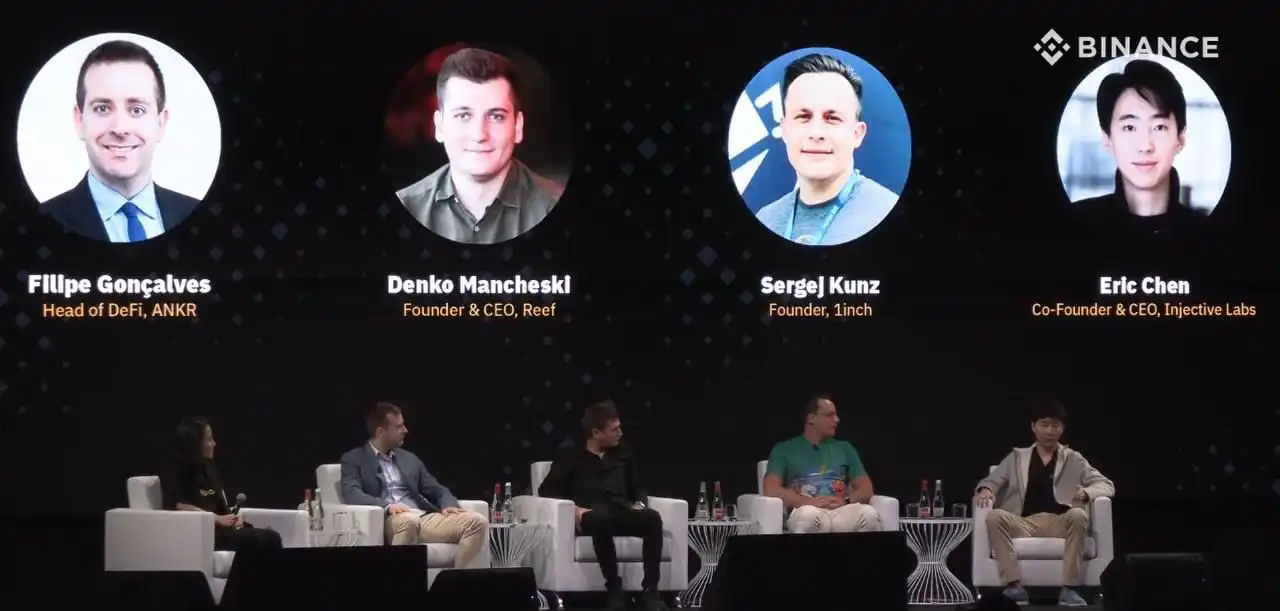
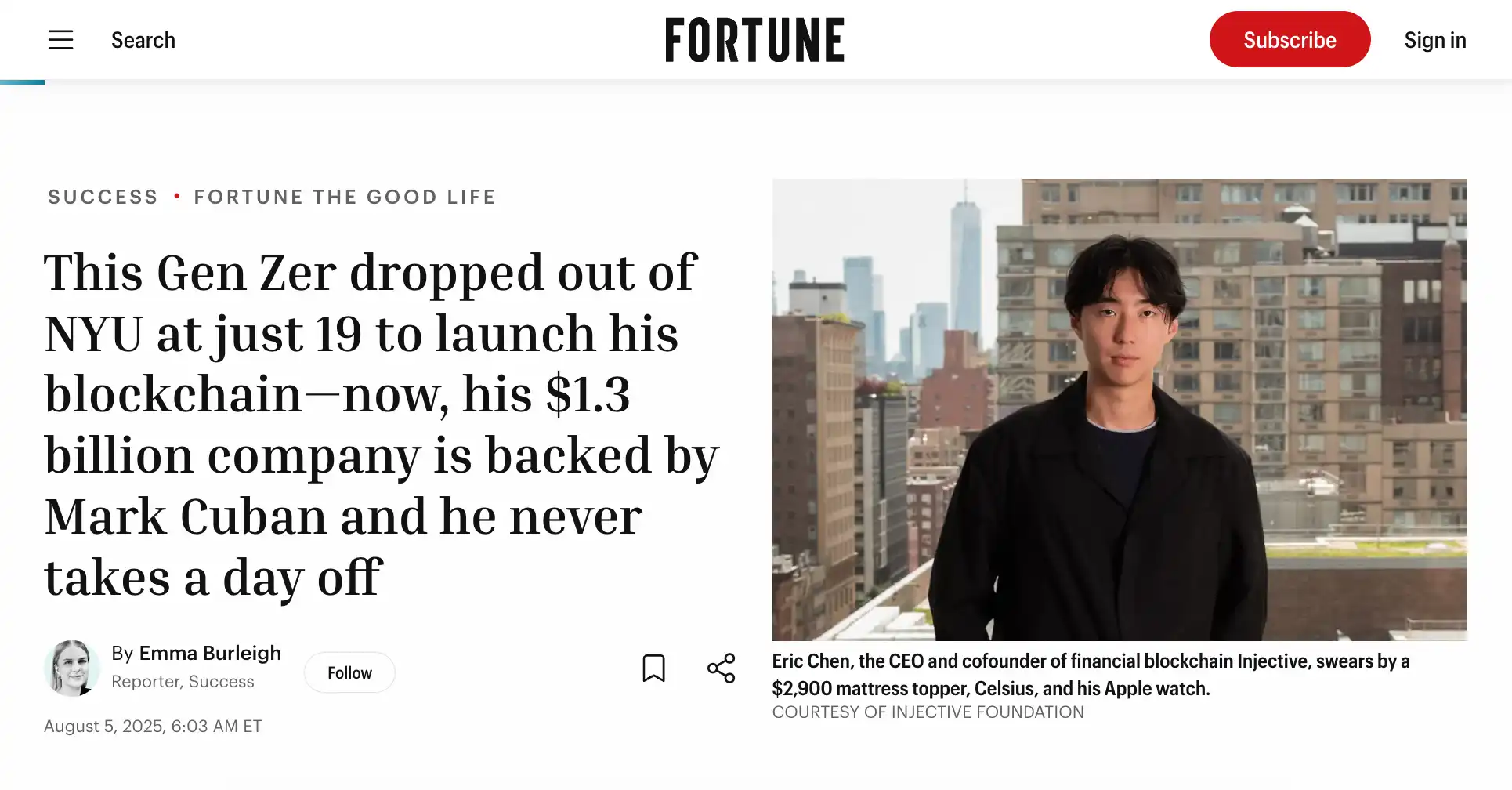
That contrast was visible in the anniversary week. Canary Capital’s INJ ETF, trading under the ticker INJC, began trading on Nasdaq on November 5; Injective founder Eric Chen and partners rang the bell to celebrate its listing on November 6. The ceremony was not the ETF’s first trading day.
From exchange design to tokenized assets
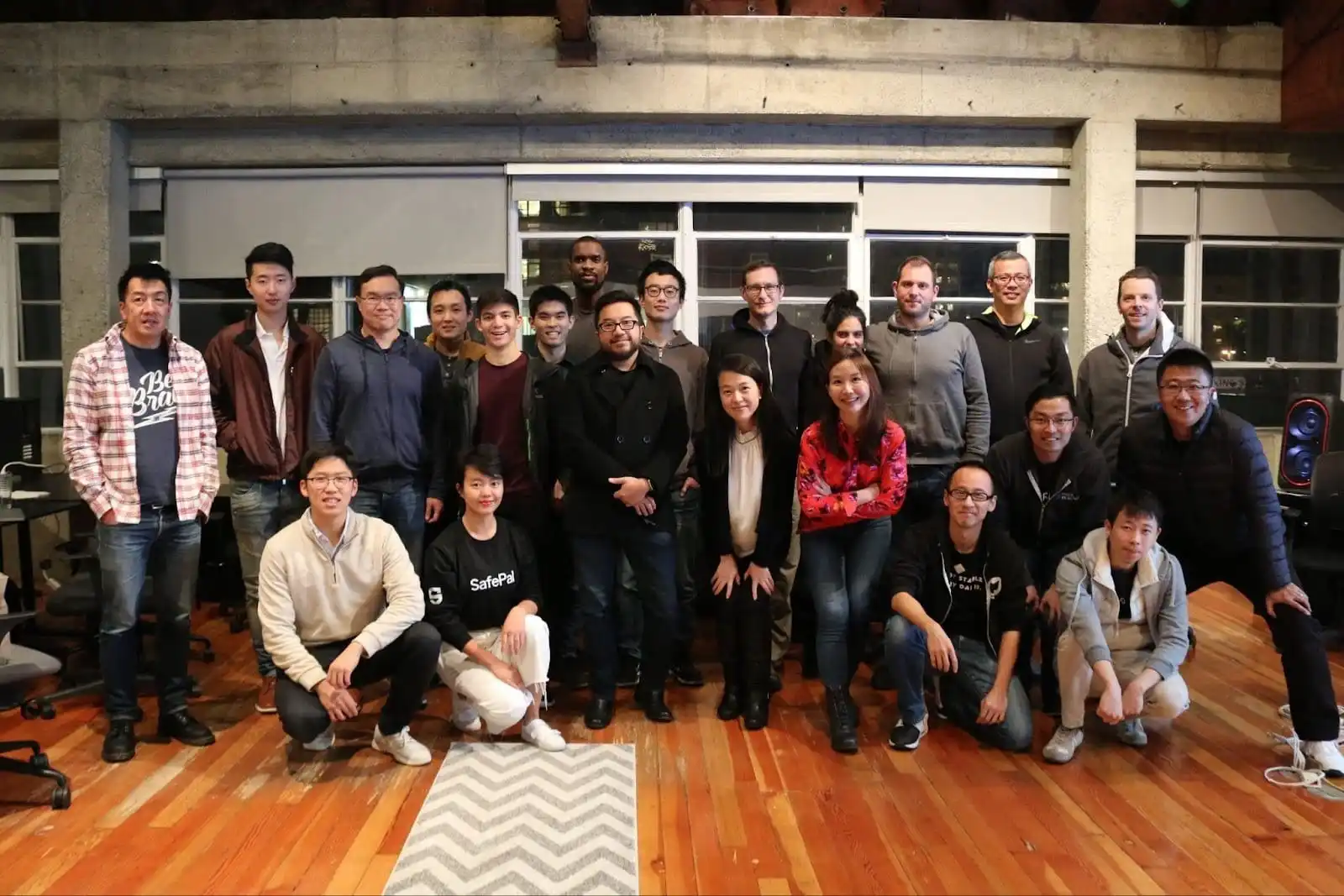
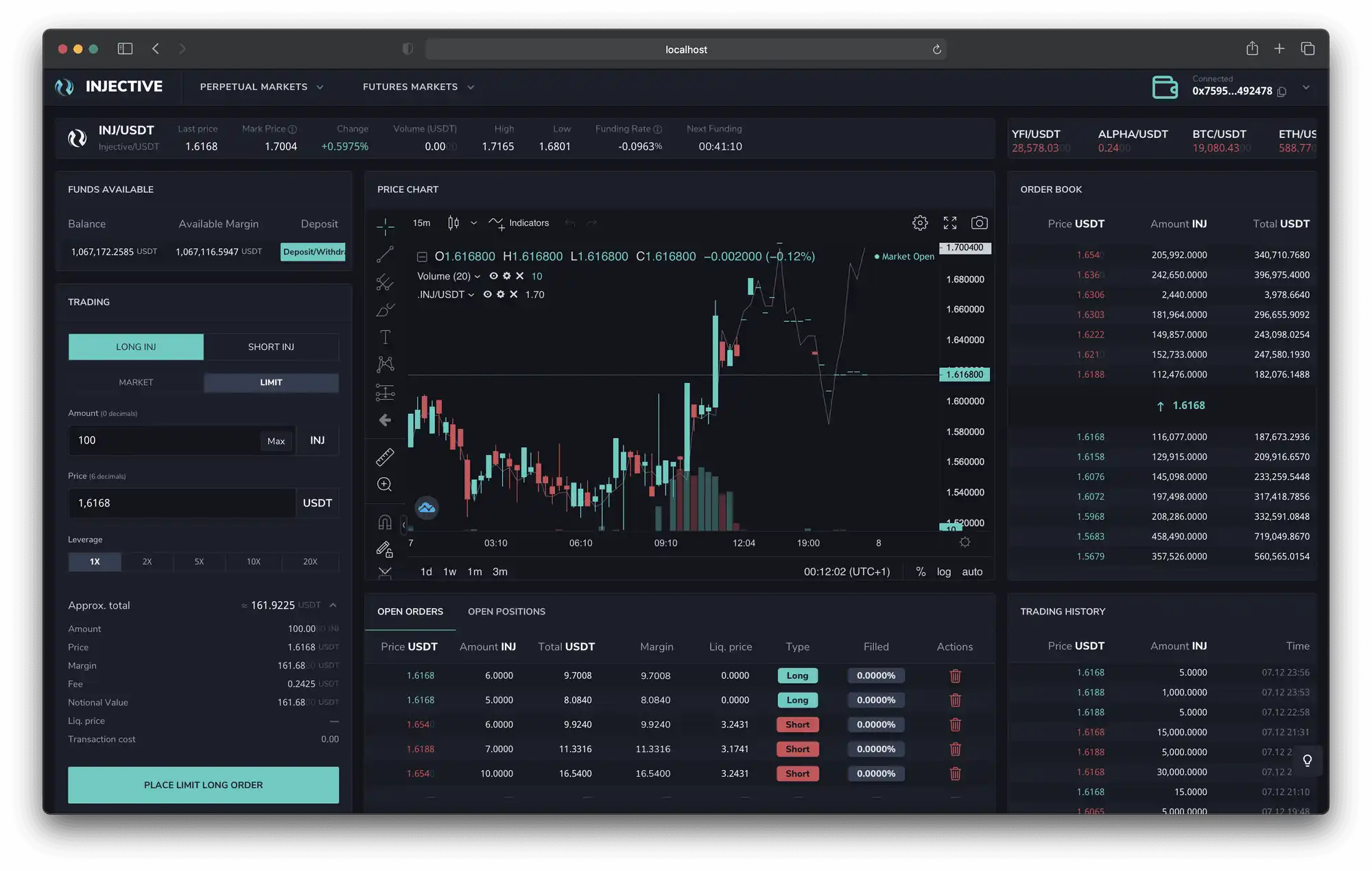
Chen and co-founder Albert Chon set out their original exchange design in a December 2018 white paper, after Injective joined Binance Labs’ first incubator cohort. Injective’s mainnet took over from its trial Canary Chain on November 8, 2021. Its design put a shared order book into the chain, rather than leaving each trading application to assemble its own liquidity.
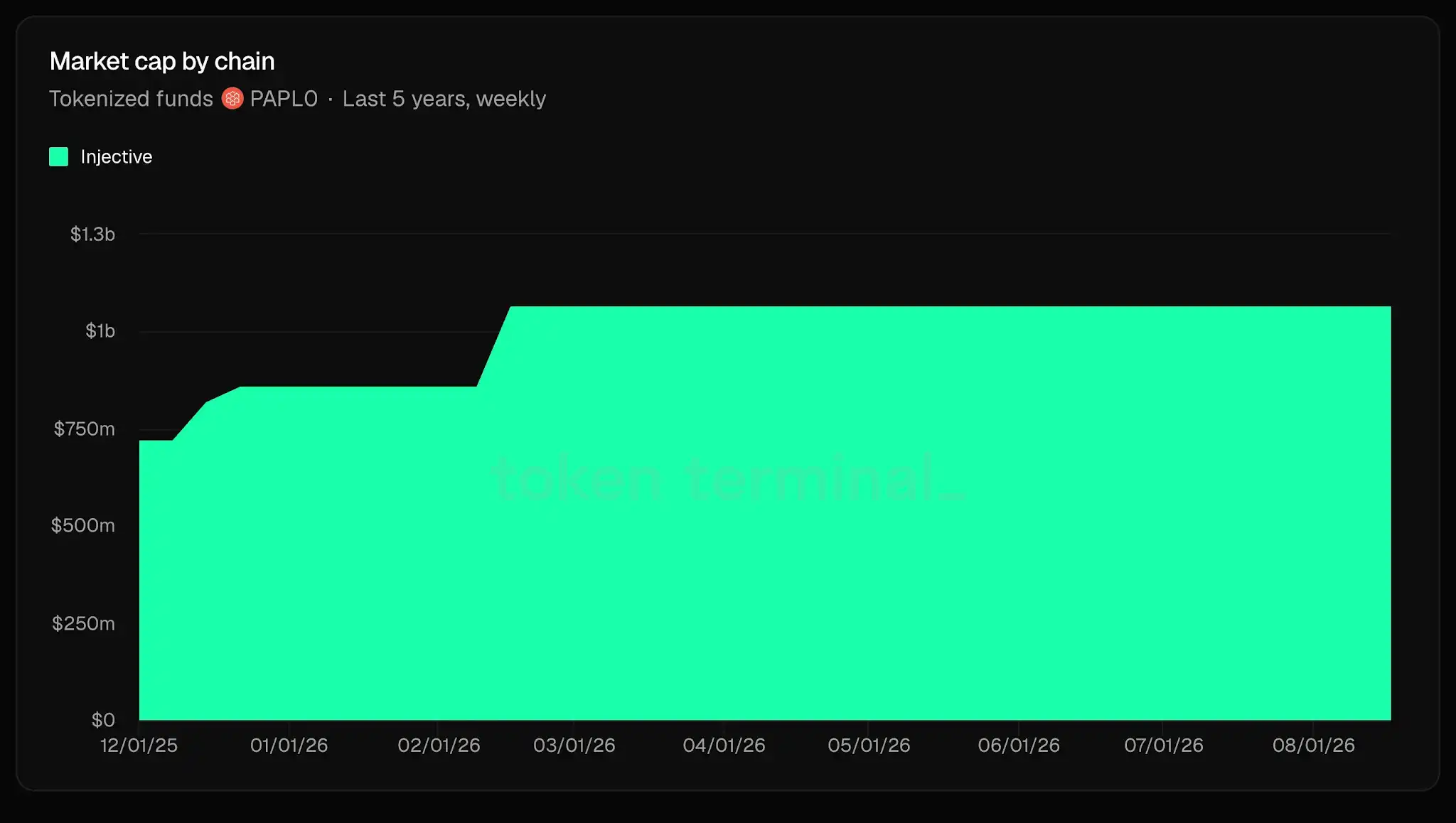
The project’s later turn toward real-world assets brought different requirements. A January 2024 upgrade added a module for assets with restrictions on who may hold or transfer them. In September 2026, mortgage company Pineapple said records covering more than $1 billion in mortgages—2,079 loans—had been placed on-chain. The report says the original loan contracts and servicing relationships were unchanged. The on-chain records should not be confused with a transfer of the underlying mortgages.
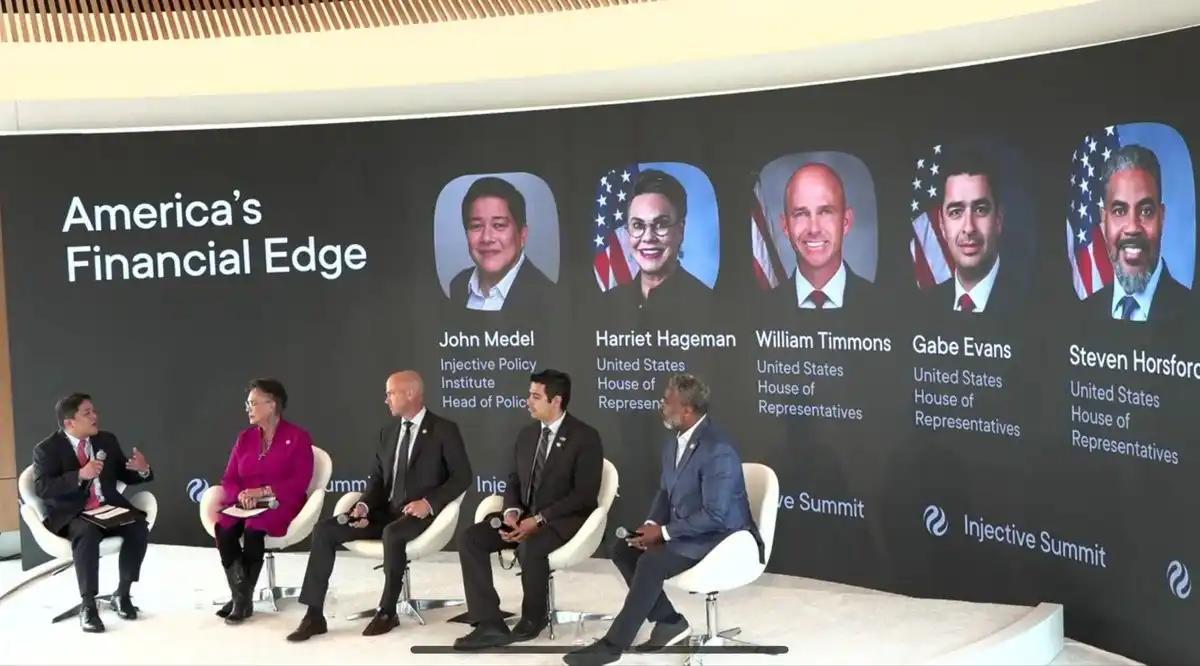
In August 2026, Injective Institutional Services became an SEC-registered transfer agent. Injective presents that registration as a way to connect on-chain records with the formal ownership records required for tokenized securities. That is a more consequential ambition than simply issuing a token that represents an asset held elsewhere, but the registration alone does not establish that every asset on the chain has that legal structure.

What remains for the community?
Injective has also kept a more familiar crypto participation model in view. Its Community BuyBack, introduced in October 2025, lets INJ holders contribute tokens for burning and receive a proportional share of protocol revenue. A later Stockdrop added a chance for participating addresses to receive a tokenized stock. The reported October 2026 round used Solana-based xStocks, with the buyback pool’s ecosystem revenue exceeding $247,000.
The distribution is a community incentive, not evidence that ordinary users benefit from Injective’s institutional partnerships. It also makes for a striking change in symbolism: a project founded around removing financial intermediaries was using tokenized shares as a participation reward while building a registered role within the securities system.
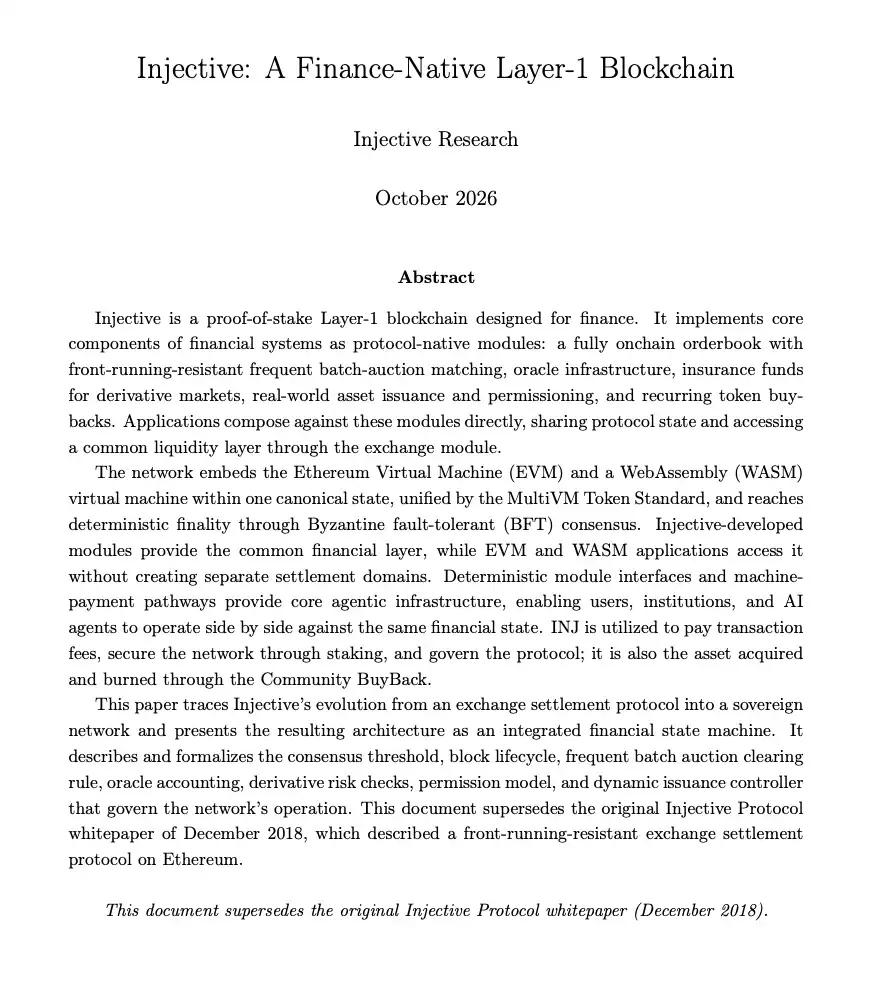
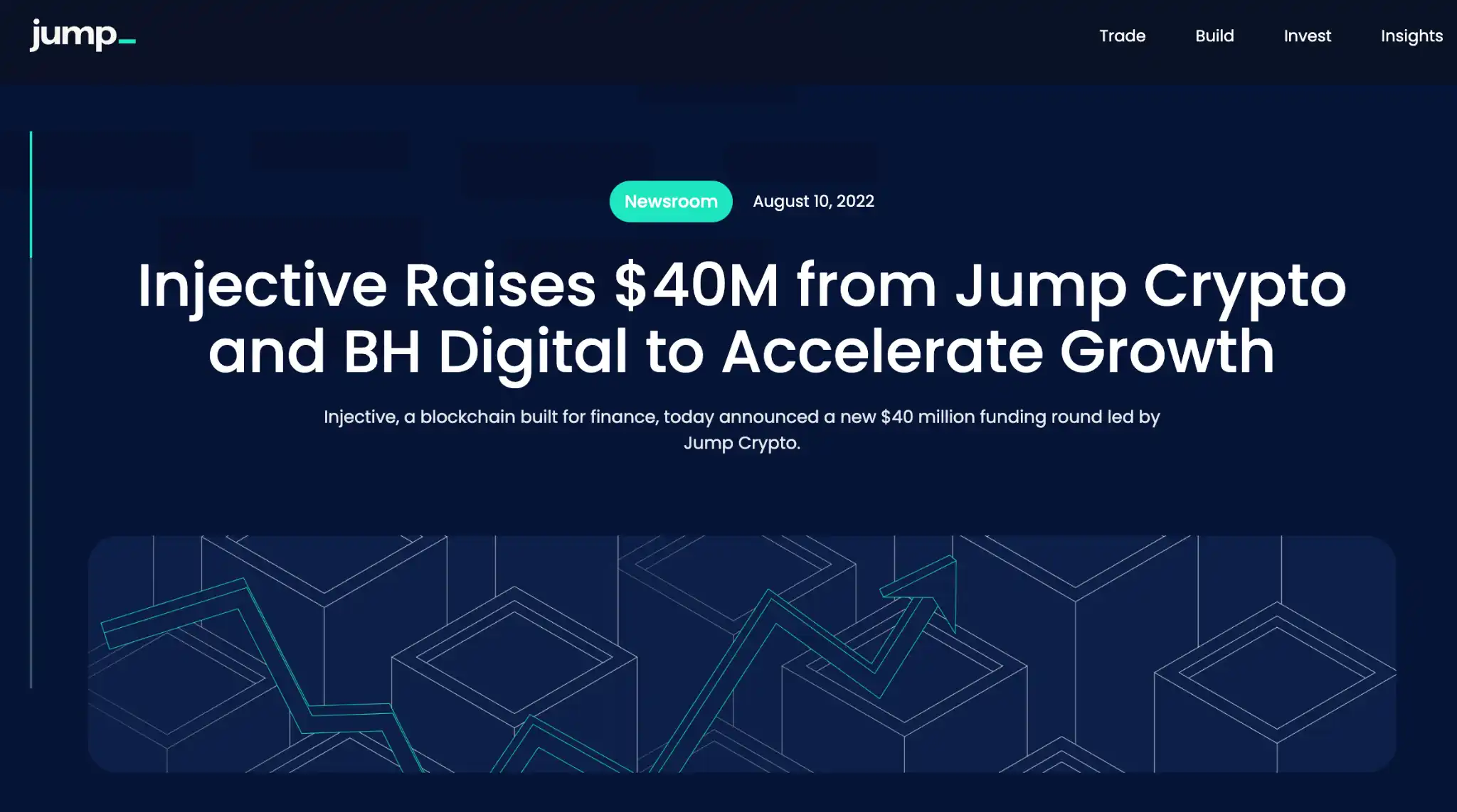
Injective’s October 2026 white paper makes that direction explicit, describing the chain as built for institutional finance and tokenization. Its five-year story is therefore not just about how far its technology has traveled. It is about whether a network shaped by traders and early users can give those communities a meaningful place as its ambitions move closer to Wall Street.