This article revisits reporting published on November 10, 2026, at 07:54 (UTC+8). Plans and figures below reflect that reporting, not a current status check.
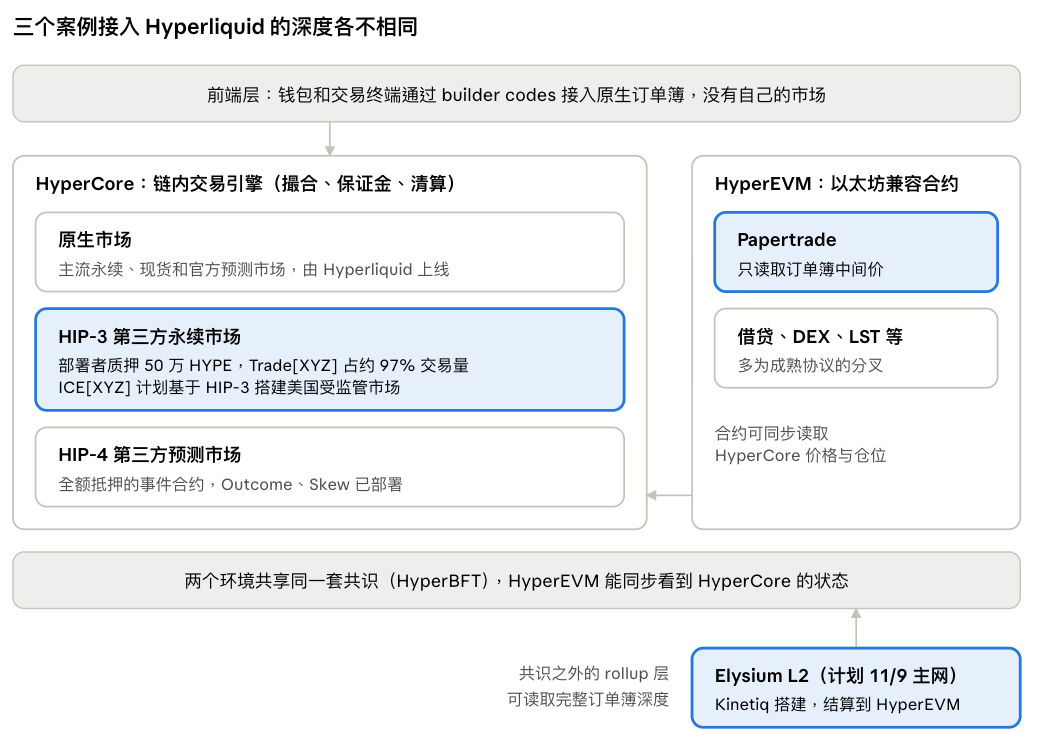
A trading product, a proposed U.S. market and a new L2 each sought a different way to use Hyperliquid’s order book. In the original analysis, Owen of GO2MARS’s Web3 research team describes a shift: outside teams were building around Hyperliquid not just as an exchange, but as trading infrastructure. Whether that activity would benefit Hyperliquid itself was a separate question.
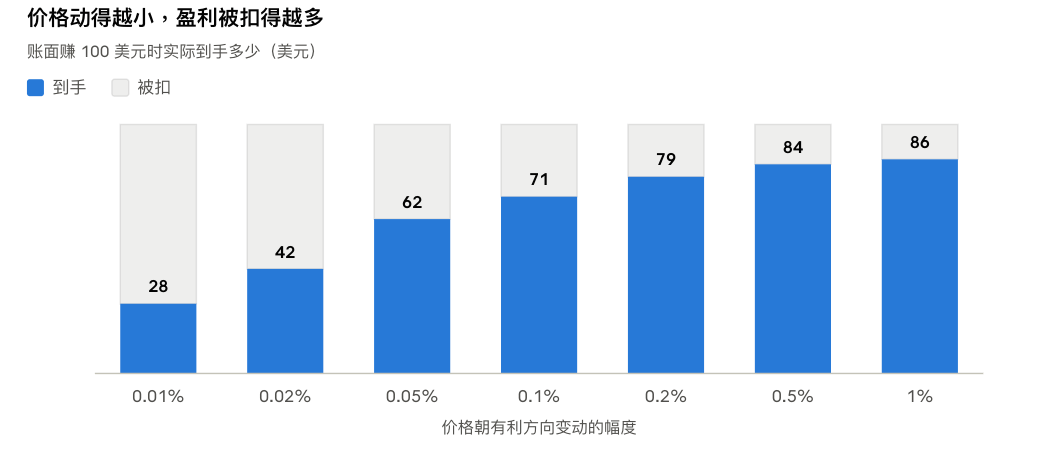
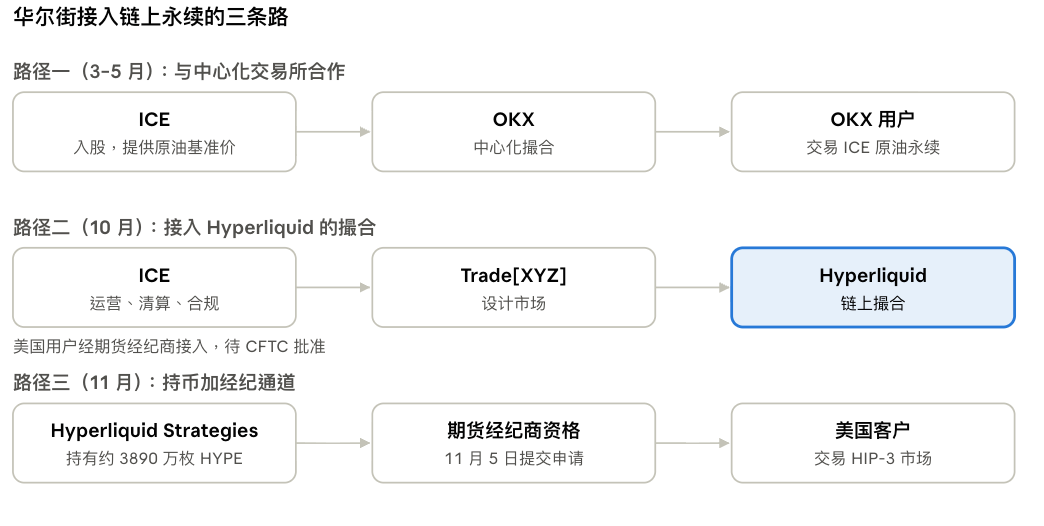
Three ways to connect
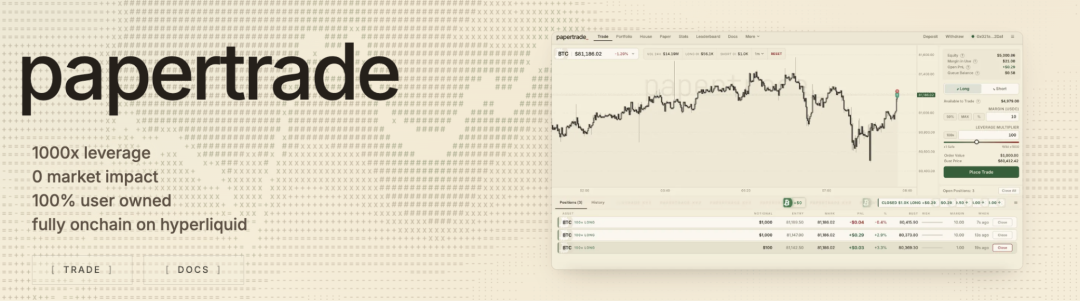
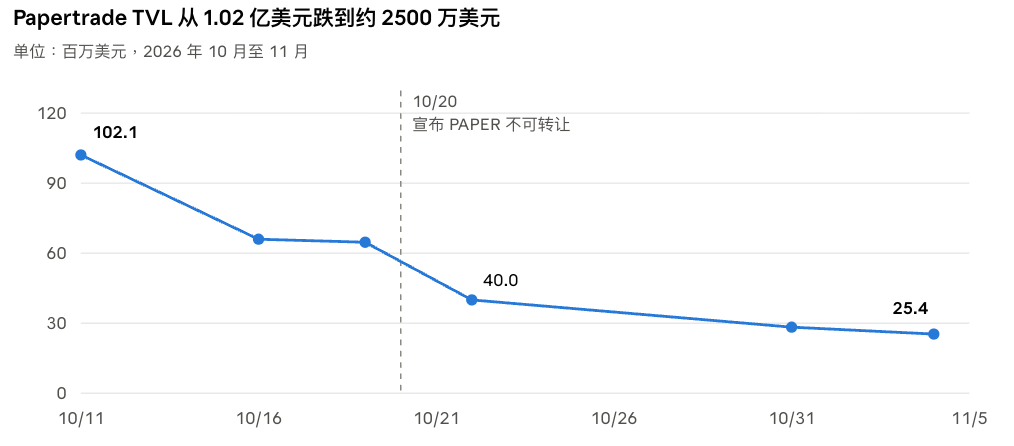
Papertrade borrowed prices. Launched on October 10, 2026, on HyperEVM, it offered BTC and ETH markets with advertised leverage of up to 1,000×. Rather than place trades in Hyperliquid’s order book, it read Hyperliquid prices when positions opened and closed; users’ gains and losses settled against a USDC pool. Its “lose-to-mine” PAPER mechanism rewarded losing trades, but the analysis reports that early large holders came to dominate the token supply and distributions. Papertrade later said PAPER could be staked for distributions but not transferred or sold, overturning an expectation some participants had held. The article also reports an apparent attempt to move Hyperliquid’s ETH price while taking a large Papertrade position—a warning about products that depend on an external order book without trading in it.
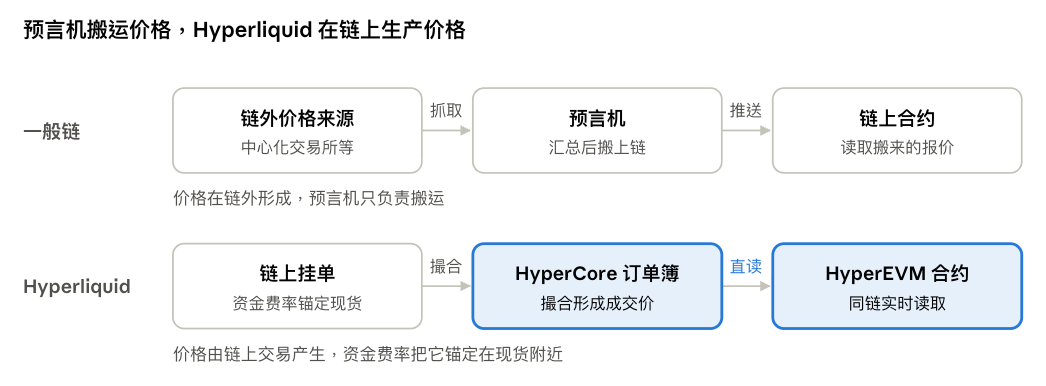
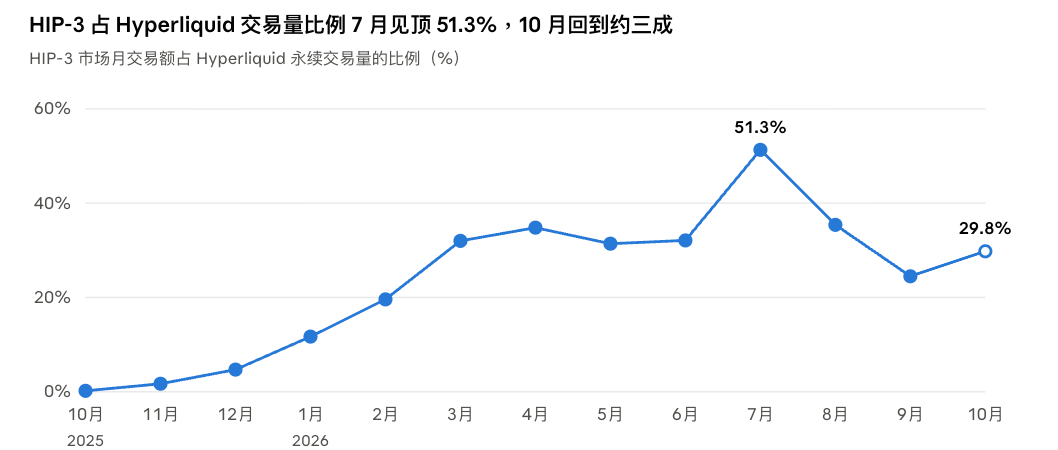
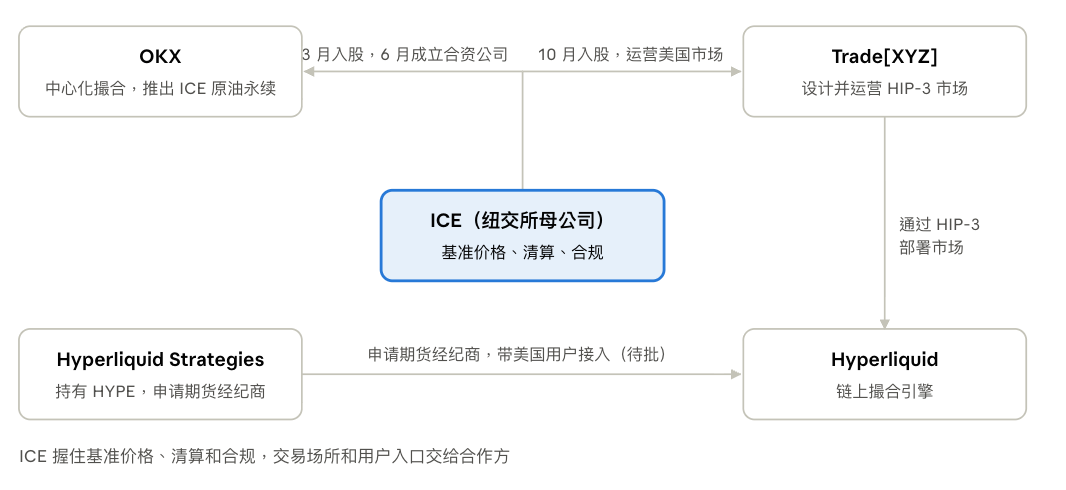
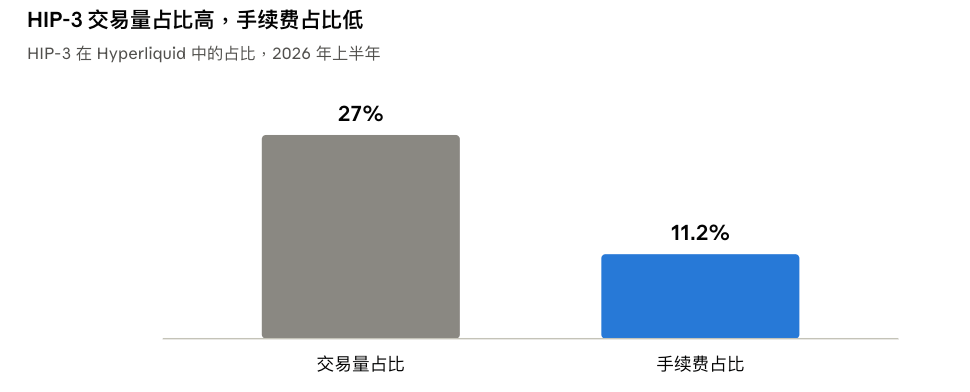
Trade[XYZ] used the matching system. As a HIP-3 market deployer, it opened perpetual markets on HyperCore. The analysis says it accounted for approximately 97% of HIP-3 trading in October 2026, underscoring how concentrated this ostensibly open market had become. On October 29, NYSE parent ICE announced an investment in Trade[XYZ] and a plan for a U.S. market using Hyperliquid’s matching technology. That proposal still required CFTC approval; it was not an operating, approved U.S. market.
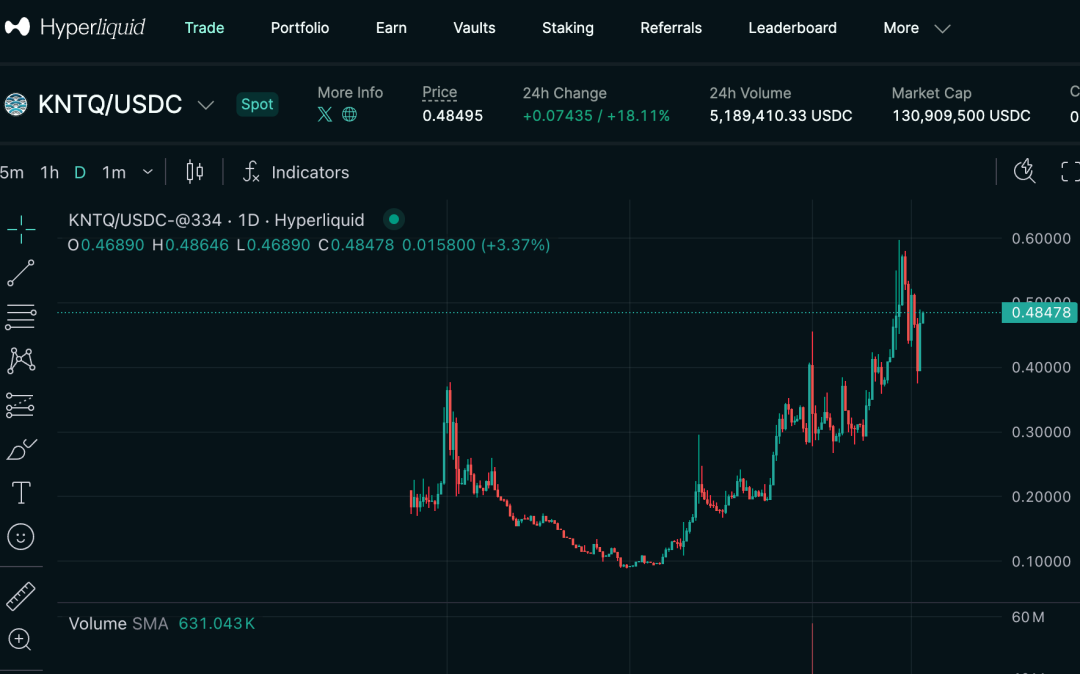
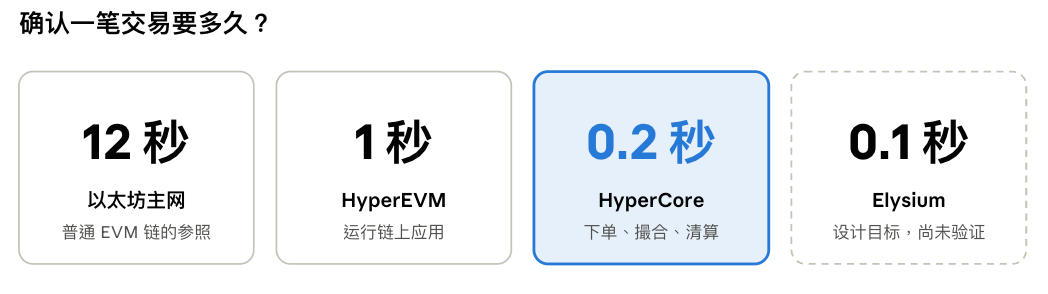
Elysium aimed to reach deeper into the book. Built by staking protocol Kinetiq, the L2 was scheduled to launch its mainnet on November 9, 2026, settling to HyperEVM. Its stated throughput target was about 100 times HyperEVM’s, while its design called for access to the full HyperCore order book and later support for direct orders. Those performance and integration claims required mainnet testing. The analysis also notes a trust distinction: Elysium’s fuller order-book data would come from its own nodes, rather than carry the same consensus guarantees as data read through HyperEVM.
Access is not the same as value capture
These examples span price feeds, matching and fuller order-book access, but their economics differ. Papertrade settled trades in its own pool. Elysium planned to use half its fee revenue to buy and burn Kinetiq’s KNTQ token. HIP-3 trading occurred on HyperCore, yet its fees were shared with deployers and, according to the analysis, often discounted. More activity around Hyperliquid therefore did not necessarily mean proportionate fee revenue for HyperCore or demand for HYPE.
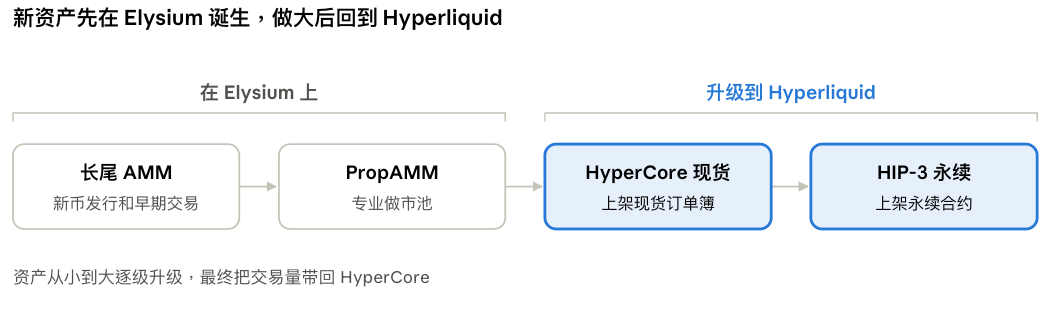
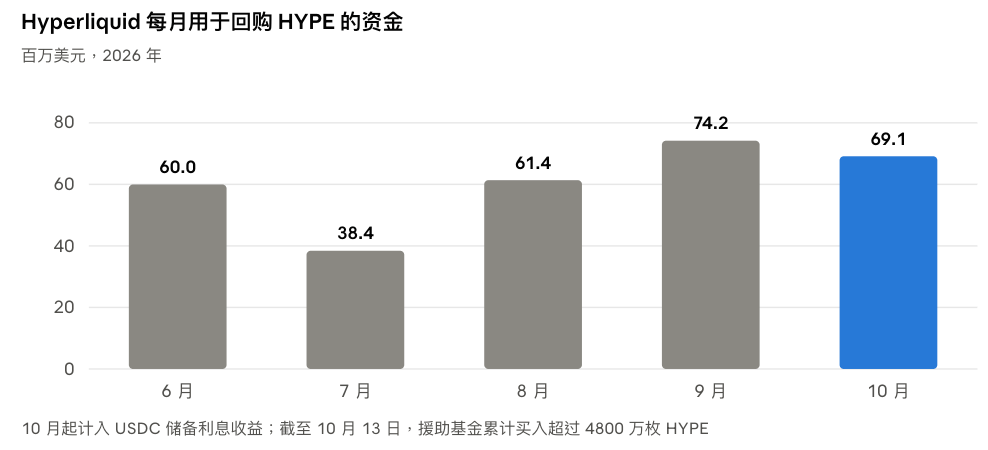
The original analysis identifies two unresolved tests: whether Hyperliquid can charge for outside use of its order book, and whether regulated markets with restricted access can retain the liquidity of its broader market. ICE’s proposal illustrated the tension. Matching technology might be reusable, but a market limited to approved participants would have to build its own trading depth.
Source: panewslab.com (originally published 2026-11-10 07:54 UTC+8)